
Jinja Template Variables
Jinja Template Variables - It focuses on leveraging python and the jinja2. Here’s an example of a filter. This tutorial provides a comprehensive introduction to creating and using prompt templates with variables in the context of ai language models. Just to update, there's a way in jinja2 to set default values to variables if they fail. Common problems include missing variables, incorrect template tags, and logic errors. You can also pass as json and yaml file. Setting variables in jinja templates is a powerful feature that enhances the flexibility and customization of dynamic content generation. In this series, i’ll be telling you how to create templates and how. Both methods provide flexibility and allow. Luckily, django provides helpful tools like. This code will set the value of a variable to 0 if its value. It helps avoid conflicts with variable names and provides a clean and concise way to store and retrieve values within the context of a template. Here’s an example of a filter. Setting variables in jinja templates is a powerful feature that enhances the flexibility and customization of dynamic content generation. Just to update, there's a way in jinja2 to set default values to variables if they fail. When working with jinja templates, a common requirement is to set a variable based on the value of another existing variable. This tutorial provides a comprehensive introduction to creating and using prompt templates with variables in the context of ai language models. This is especially useful in scenarios such as. Luckily, django provides helpful tools like. It focuses on leveraging python and the jinja2. Within yaml, you can utilize jinja code to apply various logic and calculations to your data in home assistant. Incrementing a variable within a jinja template for loop can be achieved using the loop.index variable or by creating a custom filter. Just to update, there's a way in jinja2 to set default values to variables if they fail. Setting variables. When working with jinja templates, a common requirement is to set a variable based on the value of another existing variable. Jinja2 variables are passed from your flask app. Incrementing a variable within a jinja template for loop can be achieved using the loop.index variable or by creating a custom filter. By understanding how to set and use variables. Jinja. I would like to know how can i set a variable with another variable in jinja. You must specify them in your render_template() code. Within yaml, you can utilize jinja code to apply various logic and calculations to your data in home assistant. By fail, we mean they have no values. Common problems include missing variables, incorrect template tags, and. Incrementing a variable within a jinja template for loop can be achieved using the loop.index variable or by creating a custom filter. Jinja2 variables are passed from your flask app. By understanding how to set and use variables. By fail, we mean they have no values. This is especially useful in scenarios such as. You must specify them in your render_template() code. Both methods provide flexibility and allow. In this series, i’ll be telling you how to create templates and how. Jinja also supports filters and macros. I have got a submenu and i would like to show which link is active. Here’s an example of a filter. Just to update, there's a way in jinja2 to set default values to variables if they fail. When working with jinja templates, a common requirement is to set a variable based on the value of another existing variable. This tutorial provides a comprehensive introduction to creating and using prompt templates with variables in the. Incrementing a variable within a jinja template for loop can be achieved using the loop.index variable or by creating a custom filter. Setting variables in jinja templates is a powerful feature that enhances the flexibility and customization of dynamic content generation. Luckily, django provides helpful tools like. You can also pass as json and yaml file. More information about assignments. Setting variables in jinja templates is a powerful feature that enhances the flexibility and customization of dynamic content generation. Luckily, django provides helpful tools like. This code will set the value of a variable to 0 if its value. This is particularly useful when carrying a. This tutorial provides a comprehensive introduction to creating and using prompt templates with variables. Jinja2 variables are passed from your flask app. In this series, i’ll be telling you how to create templates and how. It helps avoid conflicts with variable names and provides a clean and concise way to store and retrieve values within the context of a template. Within yaml, you can utilize jinja code to apply various logic and calculations to. Within yaml, you can utilize jinja code to apply various logic and calculations to your data in home assistant. It helps avoid conflicts with variable names and provides a clean and concise way to store and retrieve values within the context of a template. You can also pass as json and yaml file. This is especially useful in scenarios such. Luckily, django provides helpful tools like. By understanding how to set and use variables. It focuses on leveraging python and the jinja2. You must specify them in your render_template() code. Jinja2 variables are passed from your flask app. In this series, i’ll be telling you how to create templates and how. Just to update, there's a way in jinja2 to set default values to variables if they fail. Common problems include missing variables, incorrect template tags, and logic errors. I have got a submenu and i would like to show which link is active. Filters allow you to modify variables in your templates, while macros let you define reusable chunks of code. I would like to know how can i set a variable with another variable in jinja. Retrieving all variables in jinja2 templates in python 3 can be achieved by accessing the `__dict__` attribute of the module object generated by the template. This tutorial provides a comprehensive introduction to creating and using prompt templates with variables in the context of ai language models. Setting variables in jinja templates is a powerful feature that enhances the flexibility and customization of dynamic content generation. More information about assignments in jinja2 here. This is especially useful in scenarios such as.
DevOps & SysAdmins salt stack use state jinja variables in template
How to Use Jinja Templates and Variables on RebelMouse RebelMouse
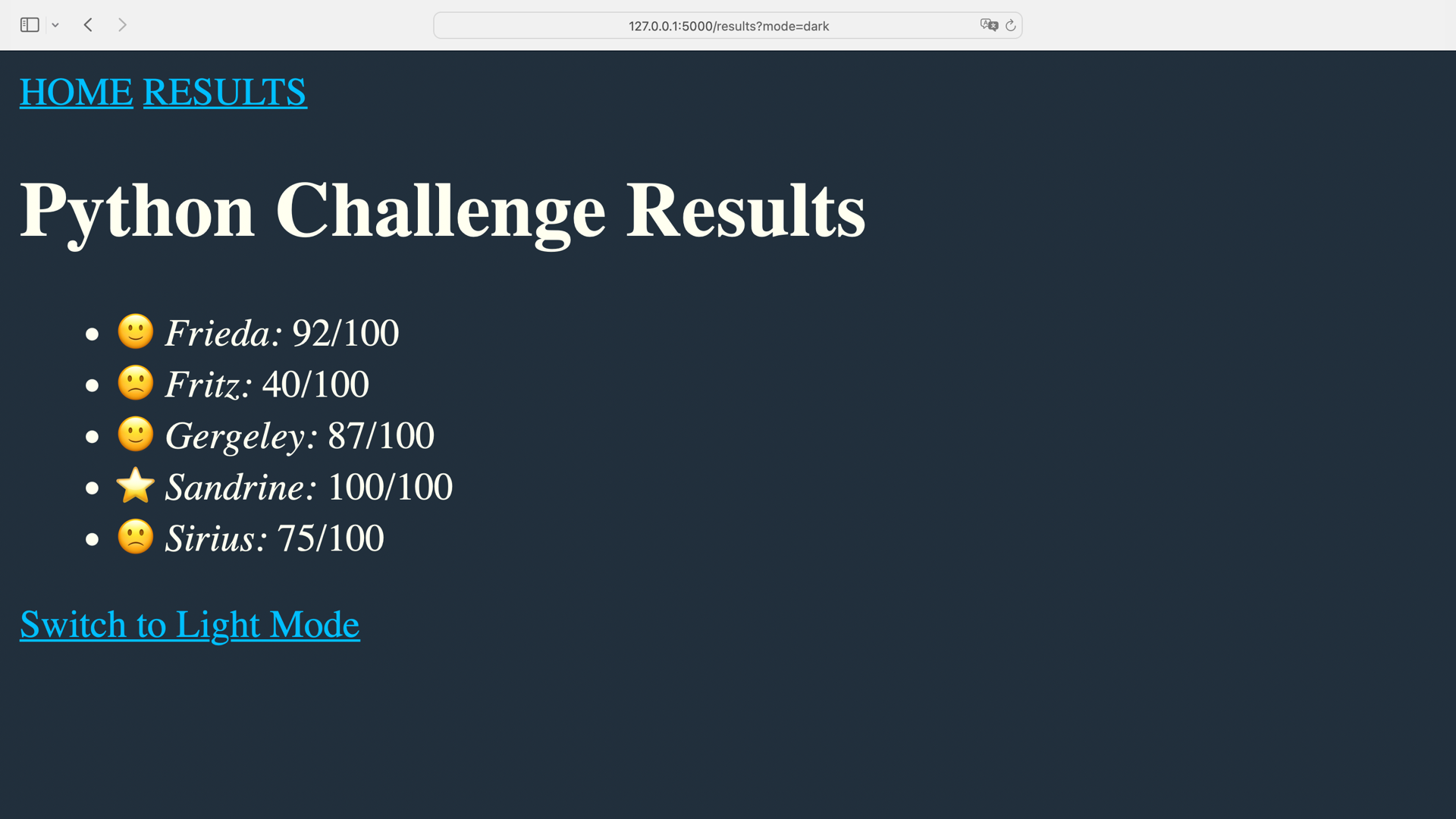
Jinja Template Python
How to Use Jinja Templates and Variables on RebelMouse RebelMouse
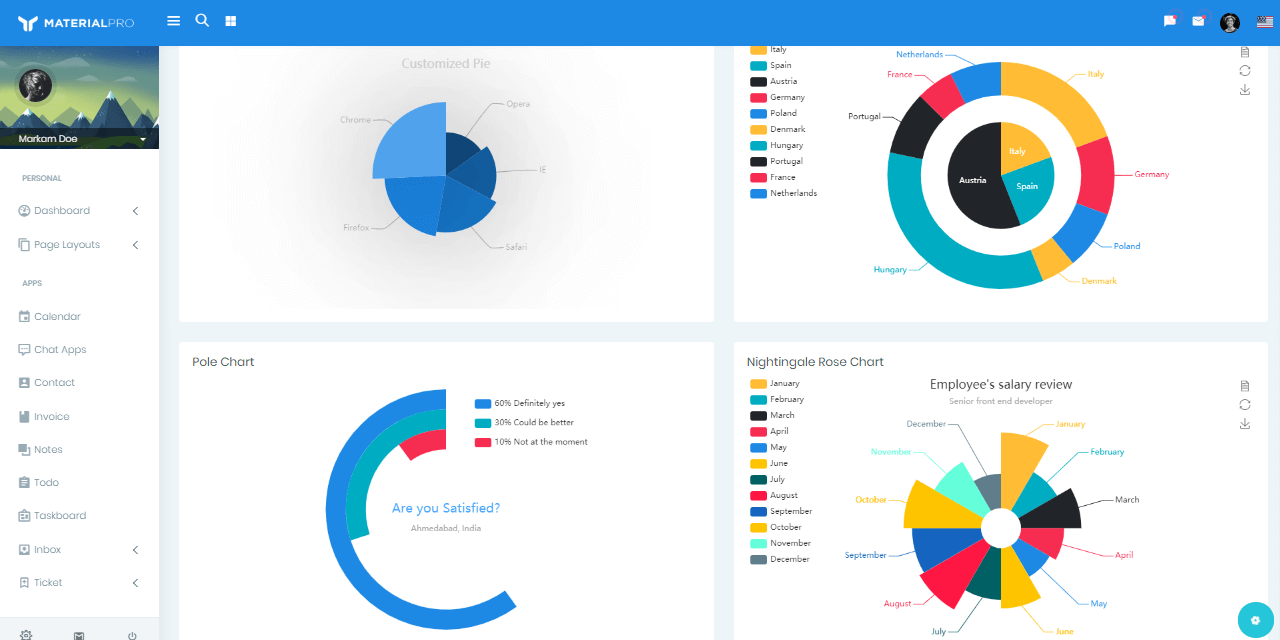
Nested Jinja Templates

Jinja Template Engine and Variables in Flask Flask Series Ep03
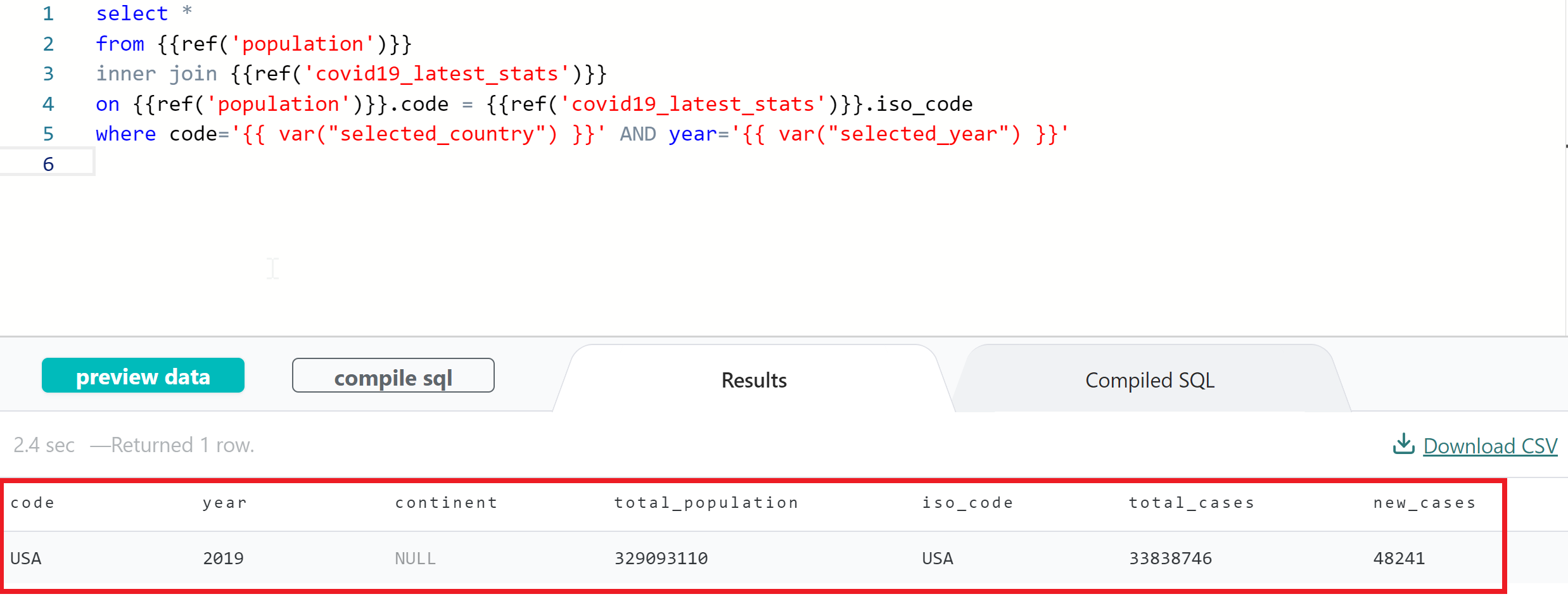
Essi Alizadeh dbt for Data Transformation A Handson Tutorial
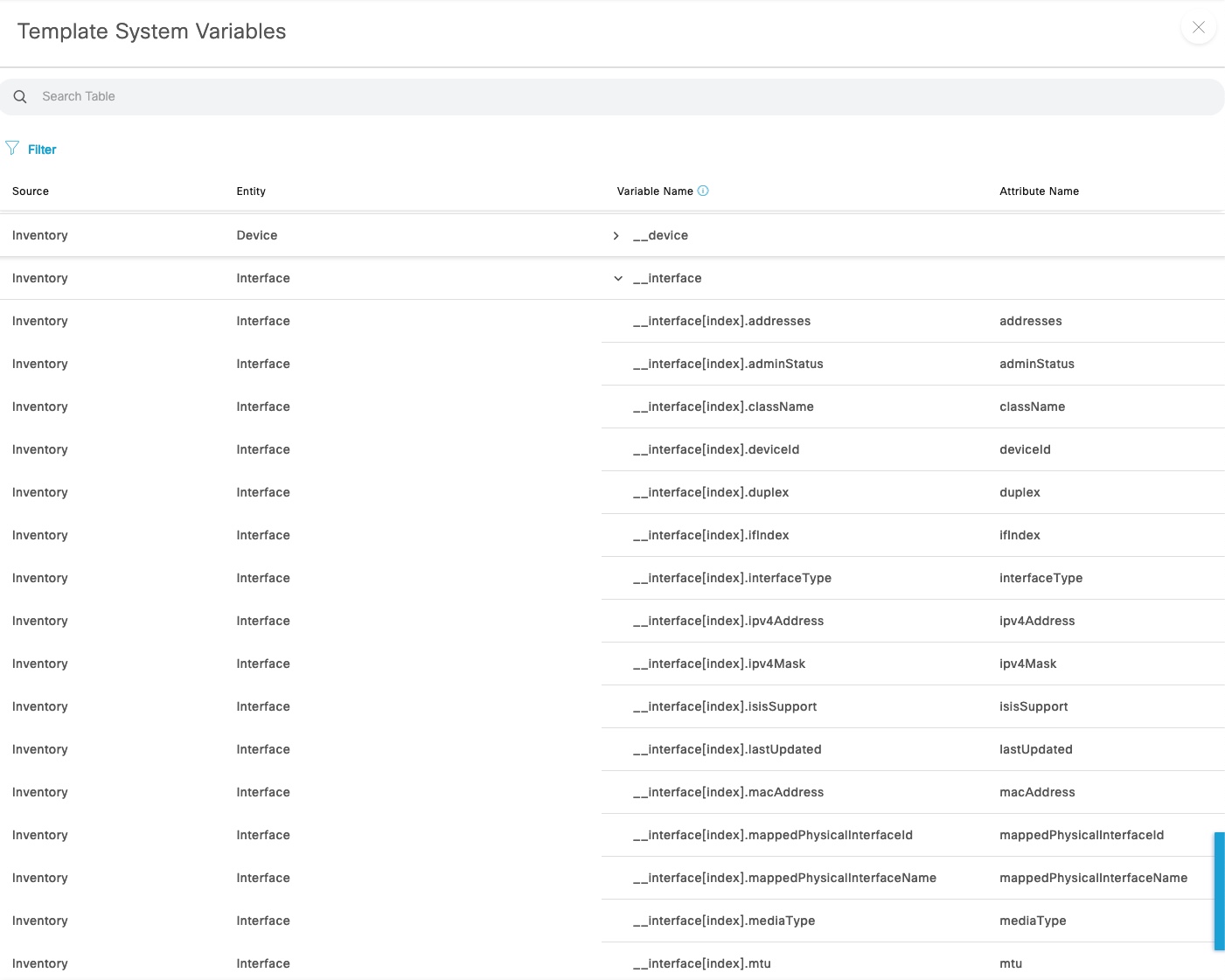
Jinja Templates in DNAC zartmann.dk
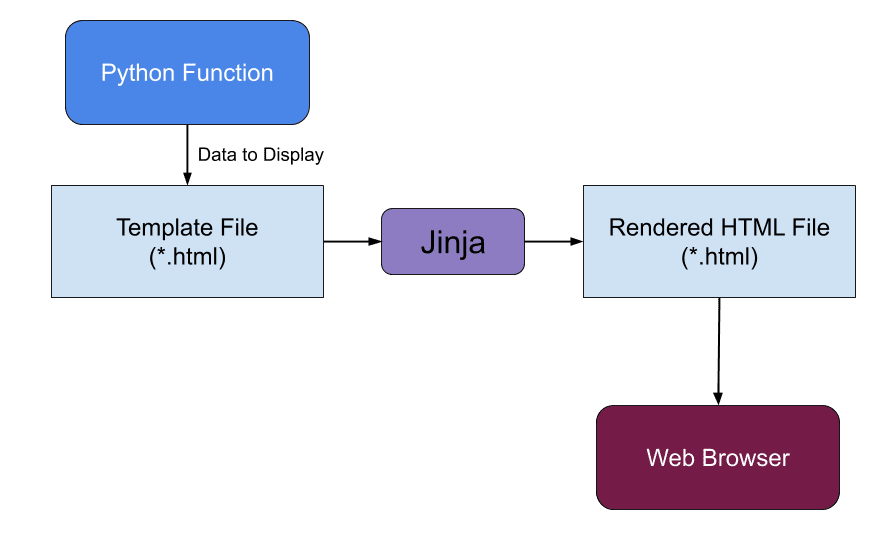
Nested Jinja Templates
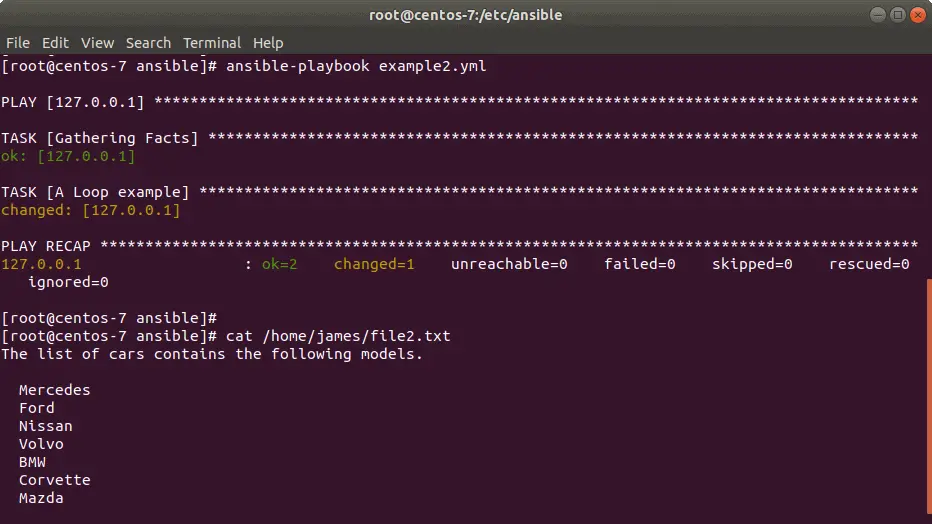
How to Use Jinja2 Template in Ansible Playbook
You Can Also Pass As Json And Yaml File.
This Is Particularly Useful When Carrying A.
Within Yaml, You Can Utilize Jinja Code To Apply Various Logic And Calculations To Your Data In Home Assistant.
This Code Will Set The Value Of A Variable To 0 If Its Value.
Related Post:
