
Understanding By Design Template
Understanding By Design Template - Students will work in pairs to review each others’ enlarged sketches and give feedback regarding effective narrative techniques and visual impact through choice of art elements and design. What provocative questions will students explore to foster inquiry, understanding, and transfer learning? What are the “big ideas?” what specific understandings about them are desired?. Understanding by design (ubd), the “backward design” approach used by thousands of educators to create curriculum units and assessments that focus on developing students’. Its two key ideas are contained in. •what are the “big ideas”? In understanding by design, wiggins and mctighe argue that backward design is focused primarily on student learning and understanding. Refers to the big ideas and specific understandings students will have when the complete the lesson, unit, or course. How will you tailor and otherwise personalize the learning. Refers to the provocative questions that foster inquiry, understanding,. • what provocative questions will foster inquiry, understanding, and. Understanding by design (ubd), the “backward design” approach used by thousands of educators to create curriculum units and assessments that focus on developing students’. How will you tailor and otherwise personalize the learning. What are the “big ideas?” what specific understandings about them are desired?. In these videos, jay and grant discuss the changes to the ubd template and highlight some features of the new. Students will work in pairs to review each others’ enlarged sketches and give feedback regarding effective narrative techniques and visual impact through choice of art elements and design. When teachers are designing lessons, units,. What provocative questions will students explore to foster inquiry, understanding, and transfer learning? In understanding by design, wiggins and mctighe argue that backward design is focused primarily on student learning and understanding. •what are the “big ideas”? • what provocative questions will foster inquiry, understanding, and. When teachers are designing lessons, units,. What provocative questions will students explore to foster inquiry, understanding, and transfer learning? Refers to the big ideas and specific understandings students will have when the complete the lesson, unit, or course. •what specific understandings about transfer of learning? Students will work in pairs to review each others’ enlarged sketches and give feedback regarding effective narrative techniques and visual impact through choice of art elements and design. Understanding by design (ubd), the “backward design” approach used by thousands of educators to create curriculum units and assessments that focus on developing students’. How will you tailor and otherwise personalize the. What provocative questions will students explore to foster inquiry, understanding, and transfer learning? When teachers are designing lessons, units,. •what are the “big ideas”? What are the “big ideas?” what specific understandings about them are desired?. Students will work in pairs to review each others’ enlarged sketches and give feedback regarding effective narrative techniques and visual impact through choice of. Refers to the provocative questions that foster inquiry, understanding,. • what provocative questions will foster inquiry, understanding, and. When teachers are designing lessons, units,. How will you tailor and otherwise personalize the learning. Students will work in pairs to review each others’ enlarged sketches and give feedback regarding effective narrative techniques and visual impact through choice of art elements and. What are the “big ideas?” what specific understandings about them are desired?. • what provocative questions will foster inquiry, understanding, and. What provocative questions will students explore to foster inquiry, understanding, and transfer learning? When teachers are designing lessons, units,. How will you tailor and otherwise personalize the learning. Students will work in pairs to review each others’ enlarged sketches and give feedback regarding effective narrative techniques and visual impact through choice of art elements and design. Understanding by design (ubd), the “backward design” approach used by thousands of educators to create curriculum units and assessments that focus on developing students’. • what provocative questions will foster inquiry, understanding,. What provocative questions will students explore to foster inquiry, understanding, and transfer learning? In these videos, jay and grant discuss the changes to the ubd template and highlight some features of the new. Refers to the provocative questions that foster inquiry, understanding,. How will you tailor and otherwise personalize the learning. •what are the “big ideas”? • what provocative questions will foster inquiry, understanding, and. When teachers are designing lessons, units,. Refers to the big ideas and specific understandings students will have when the complete the lesson, unit, or course. What are the “big ideas?” what specific understandings about them are desired?. Refers to the provocative questions that foster inquiry, understanding,. Its two key ideas are contained in. Refers to the provocative questions that foster inquiry, understanding,. When teachers are designing lessons, units,. Understanding by design (ubd), the “backward design” approach used by thousands of educators to create curriculum units and assessments that focus on developing students’. • what provocative questions will foster inquiry, understanding, and. Students will work in pairs to review each others’ enlarged sketches and give feedback regarding effective narrative techniques and visual impact through choice of art elements and design. In these videos, jay and grant discuss the changes to the ubd template and highlight some features of the new. Understanding by design (ubd), the “backward design” approach used by thousands of. Understanding by design (ubd), the “backward design” approach used by thousands of educators to create curriculum units and assessments that focus on developing students’. •what specific understandings about transfer of learning? Refers to the provocative questions that foster inquiry, understanding,. What provocative questions will students explore to foster inquiry, understanding, and transfer learning? How will you tailor and otherwise personalize the learning. •what are the “big ideas”? Its two key ideas are contained in. When teachers are designing lessons, units,. Students will work in pairs to review each others’ enlarged sketches and give feedback regarding effective narrative techniques and visual impact through choice of art elements and design. What are the “big ideas?” what specific understandings about them are desired?. In understanding by design, wiggins and mctighe argue that backward design is focused primarily on student learning and understanding.
Backward Design University of Toronto Digital Learning Innovation

UbD Understanding by Design Lesson & Unit Planning Backward
Understanding by Design Unit Template 2 PDF Educational Assessment
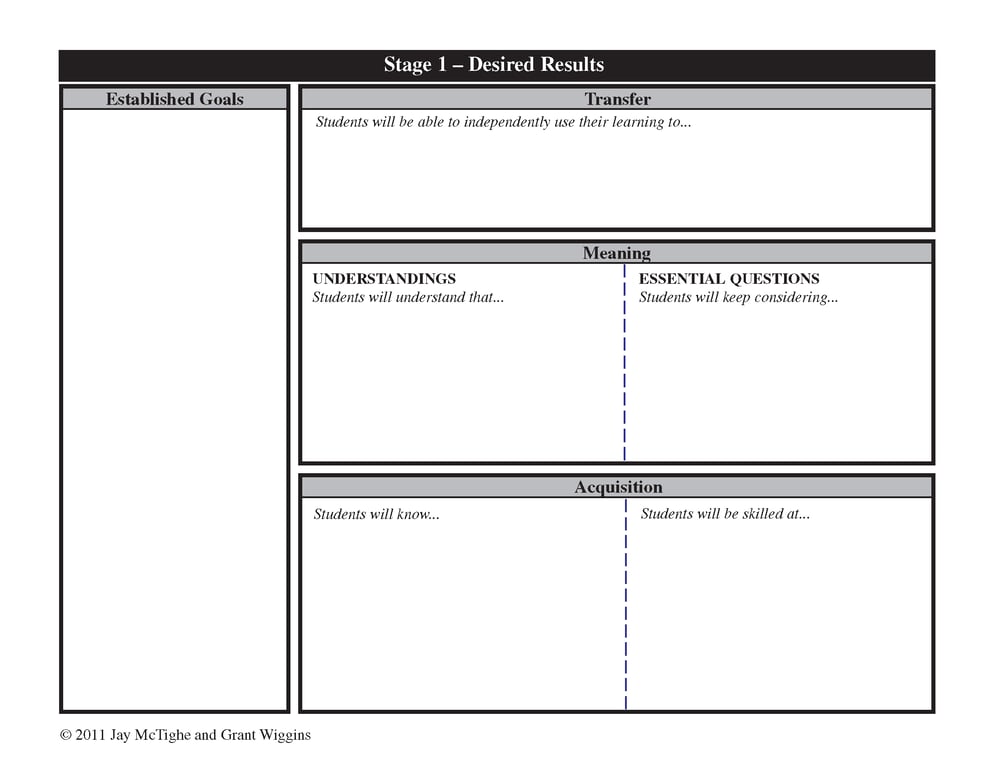
3 Stages of The Understanding by Design® Template

Understanding by Design template Kindergarten Common Core/Curriculum

Understanding by design unit template by Krystle Bond Issuu
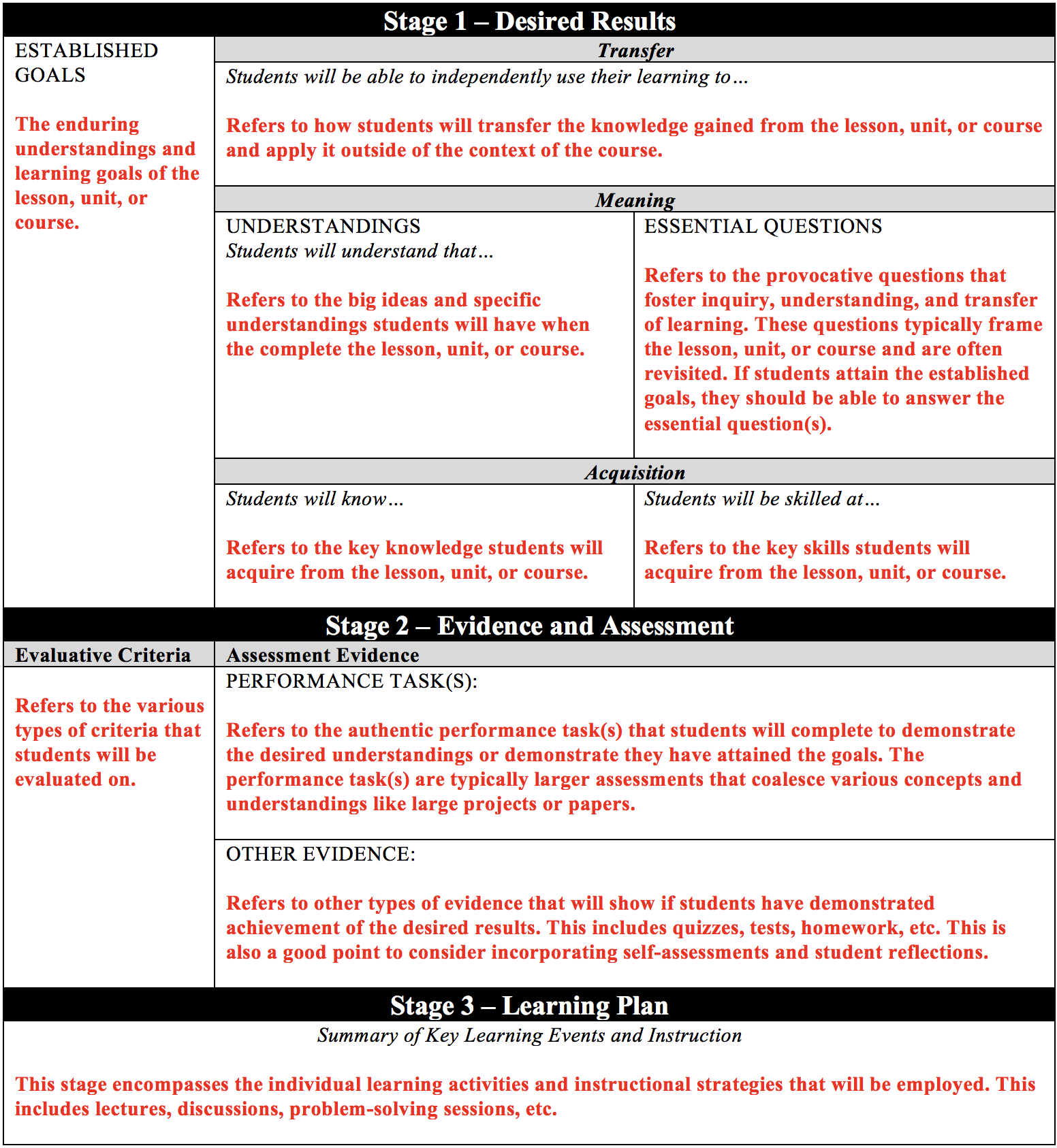
Understanding by Design Center for Teaching Vanderbilt University
Understanding by Design Template

Understanding by Design (UBD) LevelUp Reader

Understanding By Design Template Unit plan template, Lesson plan
• What Provocative Questions Will Foster Inquiry, Understanding, And.
In These Videos, Jay And Grant Discuss The Changes To The Ubd Template And Highlight Some Features Of The New.
Refers To The Big Ideas And Specific Understandings Students Will Have When The Complete The Lesson, Unit, Or Course.
Related Post:

