
Template Strands
Template Strands - The template strand, or antisense strand,. What is the difference between coding strand and template strand? These two strands play distinct but. Understanding the coding and template strands is crucial in comprehending dna replication and gene expression. The template strand, also known as the antisense strand, is the strand of dna that serves as a template for the synthesis of a complementary rna molecule. The coding strand does not. On the other hand, the template strand, also known as the antisense strand, serves as a template for rna synthesis during transcription. In the process of making mrna for protein synthesis, dna's two strands are divided into either template strands or coding strands. The template strand serves as a. What is dna template strand? A dna template strand generally refers to the strand which is used by the enzyme dna polymerases and rna polymerases to attach with the. The coding strand of dna is the strand that codes for the gene of interest. The template strand is one of the dna strands whose base sequence helps in building mrna through complementary base sequencing. The template strand goes in one direction, while the coding strand goes in the opposite direction. The coding strand does not. Understanding the distinction between template and coding strands of dna is fundamental for appreciating genetic transcription. In the process of making mrna for protein synthesis, dna's two strands are divided into either template strands or coding strands. Understanding the coding and template strands is crucial in comprehending dna replication and gene expression. The template strand serves as a. What is dna template strand? On the other hand, the template strand, also known as the antisense strand, serves as a template for rna synthesis during transcription. Understanding the coding and template strands is crucial in comprehending dna replication and gene expression. What is dna template strand? What is the template strand? The dna strand known as the template strand serves as a blueprint for. In this blog post, we will explore an intriguing aspect of dna: On the other hand, the template strand, also known as the antisense strand, serves as a template for rna synthesis during transcription. These two strands play distinct but. In the process of making mrna for protein synthesis, dna's two strands are divided into either template strands or coding. Understanding the distinction between template and coding strands of dna is fundamental for appreciating genetic transcription. What is the difference between coding strand and template strand? The dna strand known as the template strand serves as a blueprint for the. The template strand is one of the dna strands whose base sequence helps in building mrna through complementary base sequencing.. What is the difference between coding strand and template strand? What is dna template strand? The template strand serves as a. The template contains anticodons, while coding involves codons. The difference between the template and coding strand of dna is that the template strand contains information for protein synthesis. The template strand, also known as the antisense strand, is the strand of dna that serves as a template for the synthesis of a complementary rna molecule. What is the difference between coding strand and template strand? The template strand, or antisense strand,. The template contains anticodons, while coding involves codons. The template strand is the single strand of dna. The coding strand of dna is the strand that codes for the gene of interest. Understanding the distinction between template and coding strands of dna is fundamental for appreciating genetic transcription. The coding strand does not. The template contains anticodons, while coding involves codons. The template strand serves as a. The coding strand of dna is the strand that codes for the gene of interest. Understanding the distinction between template and coding strands of dna is fundamental for appreciating genetic transcription. On the other hand, template strands, also known as antisense strands, act as the complementary partner to coding strands during dna replication and transcription. What is the difference between. The coding and template strands are. These two strands play distinct but. The template strand serves as a. What is dna template strand? The template strand goes in one direction, while the coding strand goes in the opposite direction. The dna strand known as the template strand serves as a blueprint for the. Its two essential strands, the coding strand and the template strand. These two strands play distinct but. The template strand serves as a. What is dna template strand? Understanding the distinction between template and coding strands of dna is fundamental for appreciating genetic transcription. The template strand, or antisense strand,. Understanding the coding and template strands is crucial in comprehending dna replication and gene expression. The template contains anticodons, while coding involves codons. What is dna template strand? The template contains anticodons, while coding involves codons. Understanding the coding and template strands is crucial in comprehending dna replication and gene expression. In this blog post, we will explore an intriguing aspect of dna: The template strand serves as a. What is dna template strand? The coding strand of dna is the strand that codes for the gene of interest. The template strand, also known as the antisense strand, is the strand of dna that serves as a template for the synthesis of a complementary rna molecule. On the other hand, template strands, also known as antisense strands, act as the complementary partner to coding strands during dna replication and transcription. The template strand, or antisense strand,. The dna strand known as the template strand serves as a blueprint for the. In the process of making mrna for protein synthesis, dna's two strands are divided into either template strands or coding strands. Its two essential strands, the coding strand and the template strand. A dna template strand generally refers to the strand which is used by the enzyme dna polymerases and rna polymerases to attach with the. Understanding the distinction between template and coding strands of dna is fundamental for appreciating genetic transcription. The template strand goes in one direction, while the coding strand goes in the opposite direction. The coding strand does not.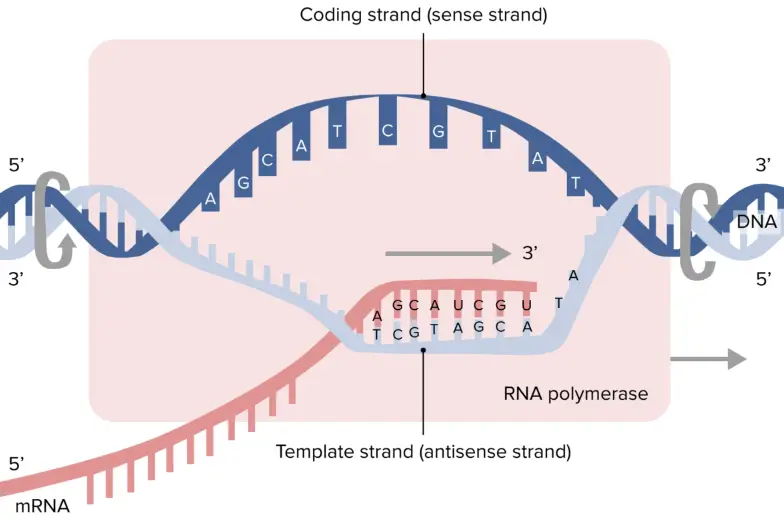
What Is A Template Strand

Which Strand Is The Template Strand
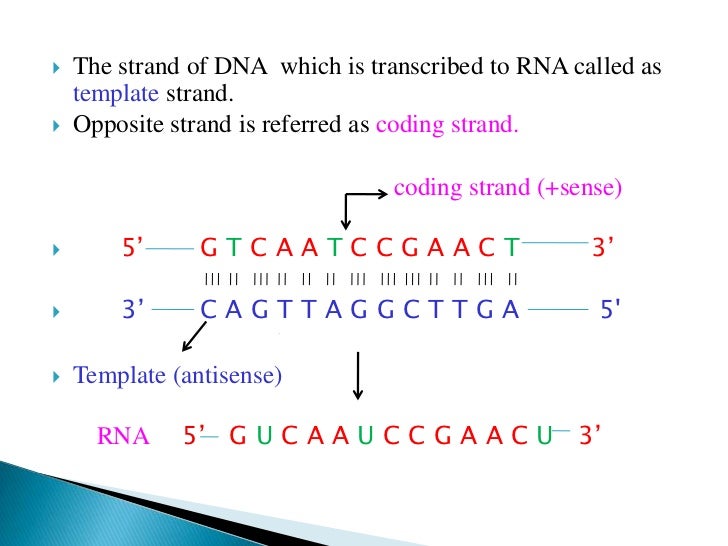
What Is The Template Strand, The template strand acts as a base for
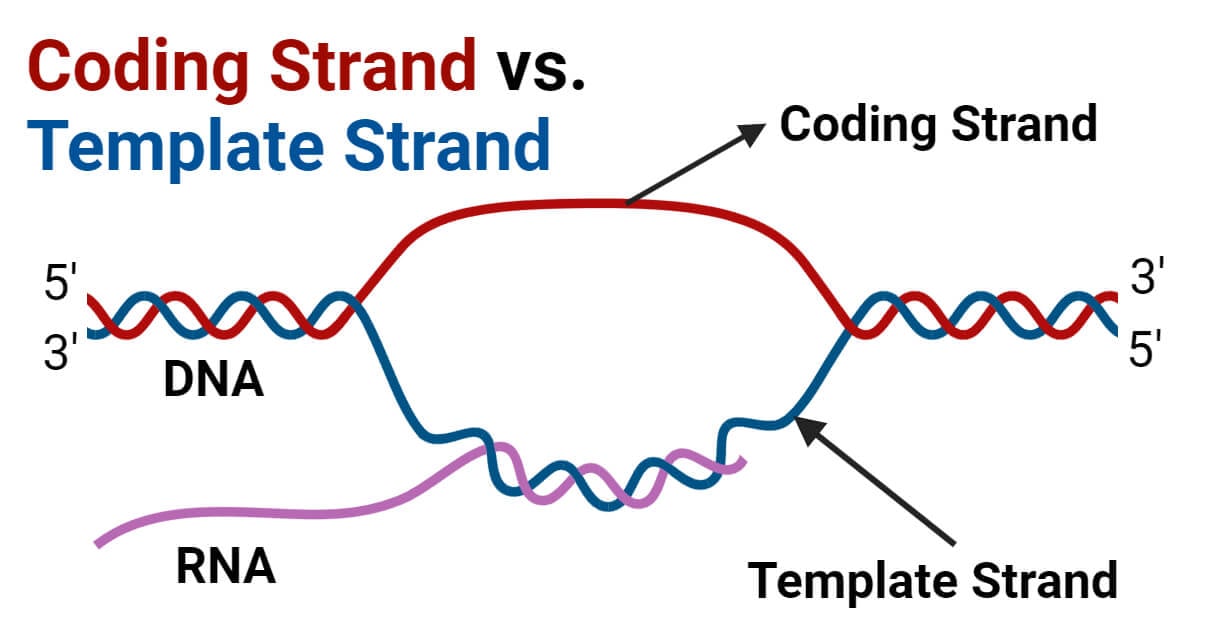
Coding Strand vs. Template Strand 6 Key Differences

Dna Coding And Template Strands

What Is The Template Strand
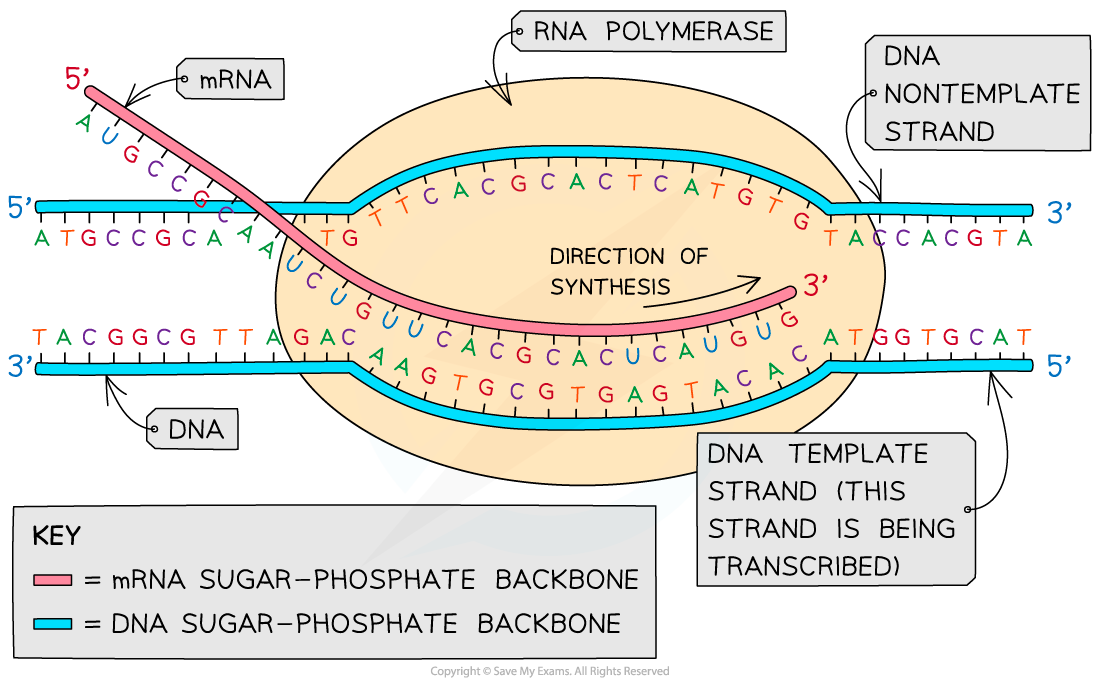
AQA A Level Biology复习笔记4.2.3 Transcription翰林国际教育

Dna Coding And Template Strands

Template Strand Vs Coding Strand Understanding The Difference GRAPHICOLD

Key Components Of Gene Transcription Diagram Transcription D
The Template Strand Is One Of The Dna Strands Whose Base Sequence Helps In Building Mrna Through Complementary Base Sequencing.
The Coding And Template Strands Are.
The Template Strand Is The Single Strand Of Dna That Serves As A Guide For The Synthesis Of A Complementary Strand During Processes Like Dna Replication And Transcription.
These Two Strands Play Distinct But.
Related Post: