
Rain Garden Design Templates
Rain Garden Design Templates - Plant selection guides from red oak rain garden: Rain garden plant lists and. Recommendations for basic planting zones are listed. Rain gardens are a natural and beautiful way to reduce and clean storm water. A rain garden is a landscaped, shallow depression planted with adaptive native plants that can capture, temporarily hold, and filter stormwater back into the ground. Now that the slope is known, decide on the depth of the rain garden from the following options: A rain garden is dry most of the time. Rain gardens are designed to catch stormwater runof that drains from impervious surfaces, such as roofs, driveways, and patios. They are shallow, depressed gardens designed to collect rain water and allow it time to filter into the ground. Provides a way to use and optimize rainfall, reducing or avoiding the need for irrigation. It is important to remember that you are not creating a wetland; In the case of larger storms, rain gardens are designed to overflow through a simple dip in the. Rain gardens are designed to catch stormwater runof that drains from impervious surfaces, such as roofs, driveways, and patios. Vegetation in rain gardens should be attractive, easy to maintain, provide ecological value, and suit the homeowner’s design preference. A rain garden is a planted depression that allows rain water runoff to slowly soak into the ground instead of storm drains and surface waters. They are shallow, depressed gardens designed to collect rain water and allow it time to filter into the ground. Plant selection guides from red oak rain garden: Provides a way to use and optimize rainfall, reducing or avoiding the need for irrigation. Rain garden plant lists and. Because water is held for a short amount of time, mosquito breeding does not take place. In the case of larger storms, rain gardens are designed to overflow through a simple dip in the. A rain garden is dry most of the time. Now that the slope is known, decide on the depth of the rain garden from the following options: Rain gardens are a natural and beautiful way to reduce and clean storm water. It. A rain garden is dry most of the time. Rain garden plant lists and. A rain garden is a beautiful addition to your landscape, and a great way to support more biodiversity in an environmentally sustainable way. It is important to remember that you are not creating a wetland; A rain garden is a landscaped, shallow depression planted with adaptive. Provides a way to use and optimize rainfall, reducing or avoiding the need for irrigation. Rain gardens are designed to catch stormwater runof that drains from impervious surfaces, such as roofs, driveways, and patios. Rain garden plant lists and. A rain garden is a landscaped, shallow depression planted with adaptive native plants that can capture, temporarily hold, and filter stormwater. Rain gardens are designed to catch stormwater runof that drains from impervious surfaces, such as roofs, driveways, and patios. A rain garden is a planted depression that allows rain water runoff to slowly soak into the ground instead of storm drains and surface waters. Rain gardens are a natural and beautiful way to reduce and clean storm water. Select flowers,. Select flowers, grasses, and shrubs that are drought tolerant but can withstand wet. Rain gardens are a natural and beautiful way to reduce and clean storm water. It is important to remember that you are not creating a wetland; Rain gardens are designed to catch stormwater runof that drains from impervious surfaces, such as roofs, driveways, and patios. They are. It is important to remember that you are not creating a wetland; A rain garden is a landscaped, shallow depression planted with adaptive native plants that can capture, temporarily hold, and filter stormwater back into the ground. Now that the slope is known, decide on the depth of the rain garden from the following options: Plant selection guides from red. It is important to remember that you are not creating a wetland; In the case of larger storms, rain gardens are designed to overflow through a simple dip in the. Now that the slope is known, decide on the depth of the rain garden from the following options: Create a template using graph paper to draw. A rain garden is. Plant selection guides from red oak rain garden: Recommendations for basic planting zones are listed. Provides a way to use and optimize rainfall, reducing or avoiding the need for irrigation. Brochures with plant recommendations and design plans for a variety of sites, including full sun, shade, wet, and dry conditions. Vegetation in rain gardens should be attractive, easy to maintain,. Rain gardens are a natural and beautiful way to reduce and clean storm water. Provides a way to use and optimize rainfall, reducing or avoiding the need for irrigation. Rain gardens are designed to catch stormwater runof that drains from impervious surfaces, such as roofs, driveways, and patios. It is important to remember that you are not creating a wetland;. They are shallow, depressed gardens designed to collect rain water and allow it time to filter into the ground. A rain garden is dry most of the time. A rain garden is a landscaped, shallow depression planted with adaptive native plants that can capture, temporarily hold, and filter stormwater back into the ground. Plant selection guides from red oak rain. Brochures with plant recommendations and design plans for a variety of sites, including full sun, shade, wet, and dry conditions. A rain garden is dry most of the time. Plant selection guides from red oak rain garden: Recommendations for basic planting zones are listed. In the case of larger storms, rain gardens are designed to overflow through a simple dip in the. A rain garden is a landscaped, shallow depression planted with adaptive native plants that can capture, temporarily hold, and filter stormwater back into the ground. Rain gardens are a natural and beautiful way to reduce and clean storm water. A rain garden is a beautiful addition to your landscape, and a great way to support more biodiversity in an environmentally sustainable way. A rain garden is a planted depression that allows rain water runoff to slowly soak into the ground instead of storm drains and surface waters. Rain gardens are designed to catch stormwater runof that drains from impervious surfaces, such as roofs, driveways, and patios. Provides a way to use and optimize rainfall, reducing or avoiding the need for irrigation. Now that the slope is known, decide on the depth of the rain garden from the following options: Vegetation in rain gardens should be attractive, easy to maintain, provide ecological value, and suit the homeowner’s design preference. It is important to remember that you are not creating a wetland; Create a template using graph paper to draw.
Rain Garden Design Templates The Ultimate Guide To Making Your Garden

Rain Garden Design Templates The Ultimate Guide To Making Your Garden
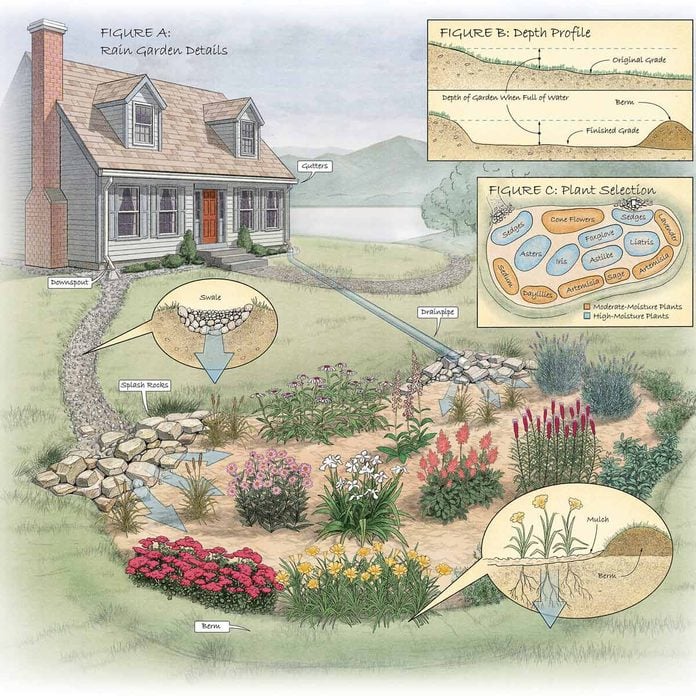
How to Build a Rain Garden in Your Yard (DIY)
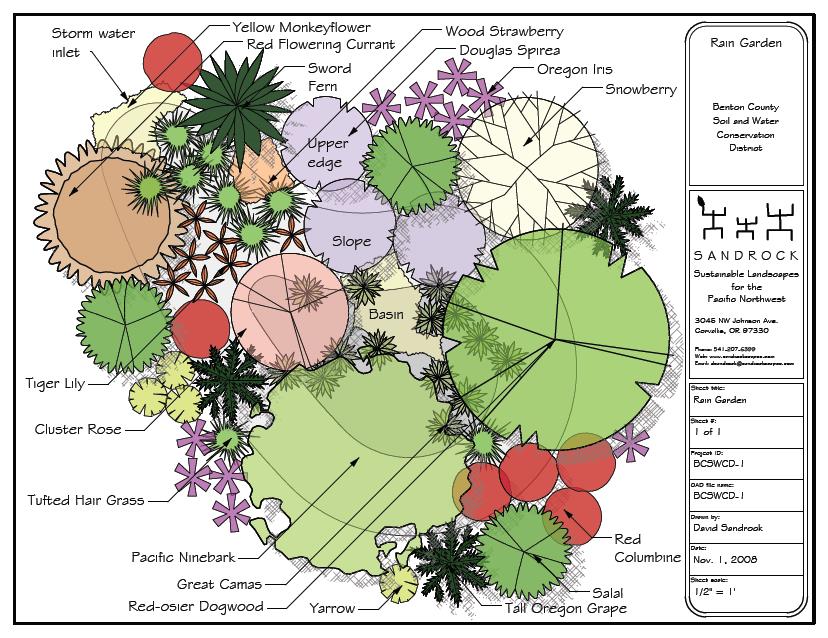
How To Design A Rain Garden / Raingarden In A Box Designs Prior Lake

Rain Garden Design Templates

Rain Garden Design Templates

Rain garden design templates corporationprint

Rain Garden Design Templates

How to Build a Rain Garden Plants & Designs The Old Farmer's Almanac
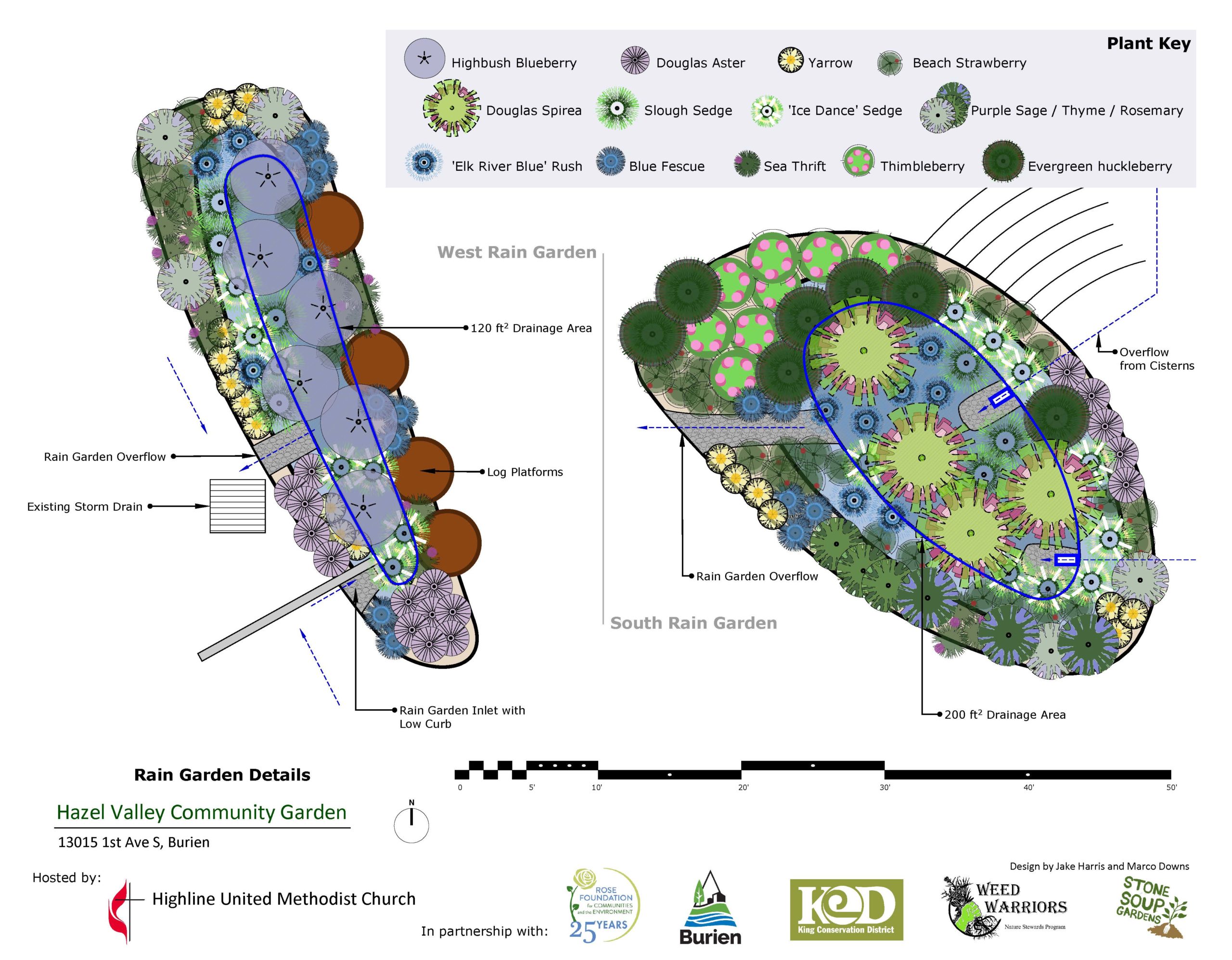
Rain Garden Designs Nature Stewards WA
Because Water Is Held For A Short Amount Of Time, Mosquito Breeding Does Not Take Place.
Select Flowers, Grasses, And Shrubs That Are Drought Tolerant But Can Withstand Wet.
Rain Garden Plant Lists And.
They Are Shallow, Depressed Gardens Designed To Collect Rain Water And Allow It Time To Filter Into The Ground.
Related Post: