
Making Router Templates
Making Router Templates - The router jig is two sided for making a template with both a 15 foot and 28 foot radius. I have experimented with many different materials and methods of making my templates. I've used my kit many many times without a. As far as getting good curved lines, it is a function of using the right tools. Hi, i'm a newbie and i want to use a router to shape small pieces of wood / plywood with templates. If you are hand drawing them, a compass works well. Brad's suggestion about making an extended jig (out of 1/4 material)that attached to the base of your router and using a straight bit start with shallow cuts. What is the best material for this? It took a while to come up with the idea of making a jig for the router to scribe the arc. What i'd like is something dense enough that it doesn't dent or flex. The kind of shape i'm after looks like this: What i'd like is something dense enough that it doesn't dent or flex. If you are hand drawing them, a compass works well. Here is a video on one approach. You can use them with a router table, but generally they are used by hand with a template. The template i'm going to make will be about 1 square foot, with many many different sweeping curves. No additional cost, just the $22 for the templates. In the meantime, can anyone tell me what the best material is to make a router template out of? As far as getting good curved lines, it is a function of using the right tools. Already have the inlay bushing and bit. If you are hand drawing them, a compass works well. With a base line 30 inches long, and a rise in the curve of only 3/8 inches, staying in the thickness of a pencil line can leave flat spots on the curve of ~6 inches. I'd also like it to sand quickly so i can file/sand it to shape. The. As far as getting good curved lines, it is a function of using the right tools. What is the best material for this? I'd also like it to sand quickly so i can file/sand it to shape. With a base line 30 inches long, and a rise in the curve of only 3/8 inches, staying in the thickness of a. The kind of shape i'm after looks like this: Really, 15mins total including cutting the hole, insert and glue up and no brain power required. No additional cost, just the $22 for the templates. I use templates quite often and have an ever growing collection in my shop. They are especially handy when used with a plunge router. Here is a video on one approach. I have experimented with many different materials and methods of making my templates. Brad's suggestion about making an extended jig (out of 1/4 material)that attached to the base of your router and using a straight bit start with shallow cuts. That being said i have decided that 1/4 plywood is best for my. What i'd like is something dense enough that it doesn't dent or flex. Would a hard board do it? I use 1/4 polycarbonite (plexiglass) for my templates. The router jig is two sided for making a template with both a 15 foot and 28 foot radius. No additional cost, just the $22 for the templates. The router jig is two sided for making a template with both a 15 foot and 28 foot radius. The larger sizes just allow for many options in both template design and bit selection. Would a hard board do it? I use templates quite often and have an ever growing collection in my shop. They are especially handy when used. Really, 15mins total including cutting the hole, insert and glue up and no brain power required. I'd also like it to sand quickly so i can file/sand it to shape. I bought a 4x8 sheet a while back when i needed to make a bunch of drawer dividers and the left over has kept me in router templates for a. What is the best material for this? I use templates quite often and have an ever growing collection in my shop. You can use them with a router table, but generally they are used by hand with a template. With a base line 30 inches long, and a rise in the curve of only 3/8 inches, staying in the thickness. What i'd like is something dense enough that it doesn't dent or flex. No additional cost, just the $22 for the templates. I'd also like it to sand quickly so i can file/sand it to shape. I bought a 4x8 sheet a while back when i needed to make a bunch of drawer dividers and the left over has kept. As for method whether from a freehand drawing or sketchup print out i always start from a paper. No additional cost, just the $22 for the templates. Hi, i'm a newbie and i want to use a router to shape small pieces of wood / plywood with templates. If you haven't used them before i agree it's hard to imagine. Brad's suggestion about making an extended jig (out of 1/4 material)that attached to the base of your router and using a straight bit start with shallow cuts. What i'd like is something dense enough that it doesn't dent or flex. The template i'm going to make will be about 1 square foot, with many many different sweeping curves. It took a while to come up with the idea of making a jig for the router to scribe the arc. I've used my kit many many times without a. That being said i have decided that 1/4 plywood is best for my needs as the material. If you are hand drawing them, a compass works well. Really, 15mins total including cutting the hole, insert and glue up and no brain power required. I have experimented with many different materials and methods of making my templates. The adapters are to allow other brand bushings to attach to your router plate, although many are very similar. Here is a 3 min instructional clip: Hi, i'm a newbie and i want to use a router to shape small pieces of wood / plywood with templates. I bought a 4x8 sheet a while back when i needed to make a bunch of drawer dividers and the left over has kept me in router templates for a while. I use 1/4 polycarbonite (plexiglass) for my templates. Already have the inlay bushing and bit. The larger sizes just allow for many options in both template design and bit selection.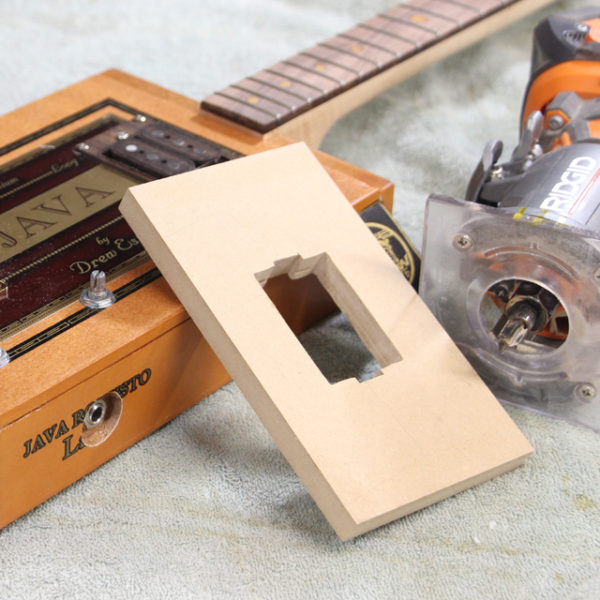
How To Make Router Templates

Unique homemade router template, easy to make! YouTube

How To Make Router Templates
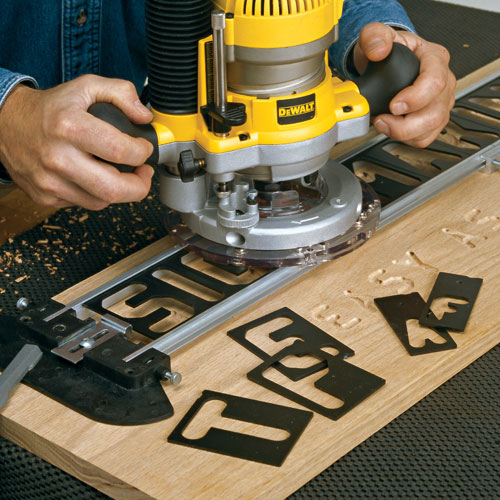
How To Make Router Templates The Faster And Easier Way

How to Making wood router templates, Router Tips/ Tricks YouTube
How to make custom sized router templates Make repeatable and

Wood Router Templates Free First, They Can Help You Trace Complex

Make a Router Edge Guide 12 Steps (with Pictures) Instructables
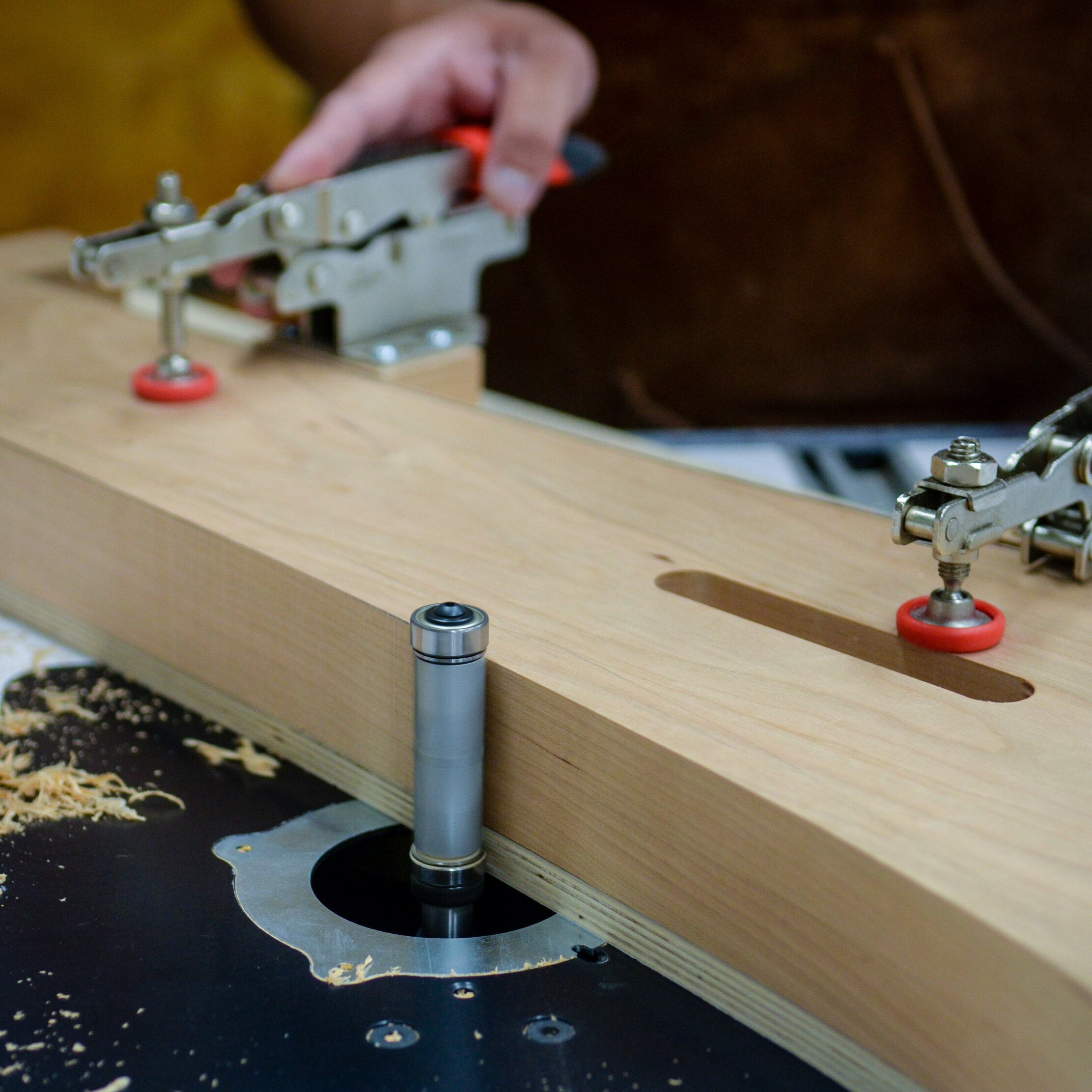
Making Templates and Pattern Routing Jigs — Alabama Woodworker

Making A Router Template
I'd Also Like It To Sand Quickly So I Can File/Sand It To Shape.
No Additional Cost, Just The $22 For The Templates.
They Are Especially Handy When Used With A Plunge Router.
With A Base Line 30 Inches Long, And A Rise In The Curve Of Only 3/8 Inches, Staying In The Thickness Of A Pencil Line Can Leave Flat Spots On The Curve Of ~6 Inches.
Related Post: