
Langchain Prompt Template
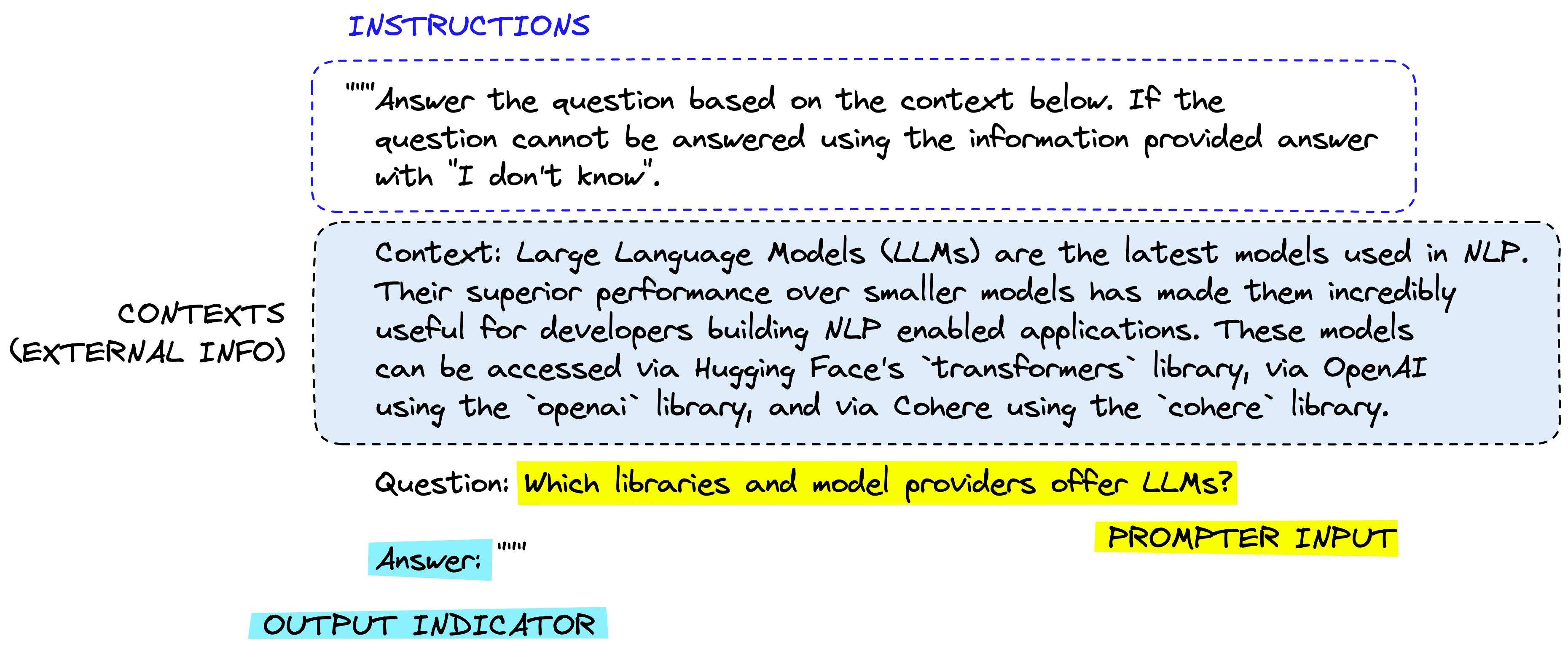
Langchain Prompt Template - In both cases, you will need an openai api key. This can be used to guide a model's response, helping it understand the context and. You can extend a template class for. See the parameters, methods, and examples of the. The langchain library recognizes the power of prompts and has built an entire set of objects for them. A prompt template is a string that accepts parameters from the user. Prompt templates help to translate user input and parameters into instructions for a language model. A langchain prompt template defines how prompts for llms should be structured, and provides opportunities for reuse and customization. This is a relatively simple. Langchain allows us to create flexible prompt templates, which are structured text formats that help shape the model’s responses. Learn how to create and use a prompt template for a language model with the prompttemplate class from langchain. Prompt templates are predefined recipes for. Prompt template classes address all these needs and help produce a prompt value class that's used as a prompt to models. Prompts are constructed from multiple components and values, and can be formatted using. Prompt templates are essential for generating dynamic and flexible prompts that cater to various use. Learn how to create and use prompts for different types of models and tasks in langchain. Prompt templates help to translate user input and parameters into instructions for a language model. In this quickstart we'll show you how to build a simple llm application with langchain. Prompt templates are a powerful tool in langchain for crafting dynamic and reusable prompts for large language models (llms). This is a relatively simple. These templates can dynamically insert variables to adapt to. See examples of prompts, contexts, queries, and. Learn how to create and use a prompt template for a language model with the prompttemplate class from langchain. Prompt templates are predefined recipes for. This application will translate text from english into another language. A prompt template is a string that accepts parameters from the user. Prompt templates help to translate user input and parameters into instructions for a language model. Prompts are constructed from multiple components and values, and can be formatted using. Learn how to create a custom prompt template for langchain, a library for building ai applications with language models. In. This is a relatively simple. Constructing good prompts is a crucial skill for those building with llms. They provide a structured approach to. Learn how to create a custom prompt template for langchain, a library for building ai applications with language models. Prompt template classes address all these needs and help produce a prompt value class that's used as a. This tutorial covers how to create and utilize prompt templates using langchain. Langchain allows us to create flexible prompt templates, which are structured text formats that help shape the model’s responses. See the parameters, methods, and examples of the. See examples of prompts, contexts, queries, and. Prompts are constructed from multiple components and values, and can be formatted using. You can extend a template class for. To have uniform response patterns across multiple interactions; A langchain prompt template defines how prompts for llms should be structured, and provides opportunities for reuse and customization. In langchain workflows, custom prompts offer several key advantages: In this quickstart we'll show you how to build a simple llm application with langchain. In both cases, you will need an openai api key. Prompt templates are essential for generating dynamic and flexible prompts that cater to various use. See the parameters, methods, and examples of the. A langchain prompt template defines how prompts for llms should be structured, and provides opportunities for reuse and customization. Prompt templates help to translate user input and. Learn how to create and use a prompt template for a language model with the prompttemplate class from langchain. In langchain workflows, custom prompts offer several key advantages: Learn how to create a custom prompt template for langchain, a library for building ai applications with language models. See examples of prompts, contexts, queries, and. Prompt template classes address all these. This is a relatively simple. Prompt templates are essential for generating dynamic and flexible prompts that cater to various use. Prompt templates help to translate user input and parameters into instructions for a language model. Prompt template classes address all these needs and help produce a prompt value class that's used as a prompt to models. We will use the. In langchain workflows, custom prompts offer several key advantages: A langchain prompt template defines how prompts for llms should be structured, and provides opportunities for reuse and customization. They provide a structured approach to. This application will translate text from english into another language. Prompt templates help to translate user input and parameters into instructions for a language model. Langchain allows us to create flexible prompt templates, which are structured text formats that help shape the model’s responses. Prompts are usually part of a chain in projects. This application will translate text from english into another language. We will use the langchain library but you can also use the openai library directly. Prompts are constructed from multiple components and. In this quickstart we'll show you how to build a simple llm application with langchain. Langchain allows us to create flexible prompt templates, which are structured text formats that help shape the model’s responses. In both cases, you will need an openai api key. Prompt templates help to translate user input and parameters into instructions for a language model. This tutorial covers how to create and utilize prompt templates using langchain. Prompt templates are essential for generating dynamic and flexible prompts that cater to various use. This can be used to guide a model's response, helping it understand the context and. In langchain workflows, custom prompts offer several key advantages: Prompts are constructed from multiple components and values, and can be formatted using. A prompt template is a string that accepts parameters from the user. To have uniform response patterns across multiple interactions; This application will translate text from english into another language. Prompt templates are predefined recipes for. See an example of a prompt template that generates explanations of. Learn how to create and use a prompt template for a language model with langchain, a library for building ai applications. Constructing good prompts is a crucial skill for those building with llms.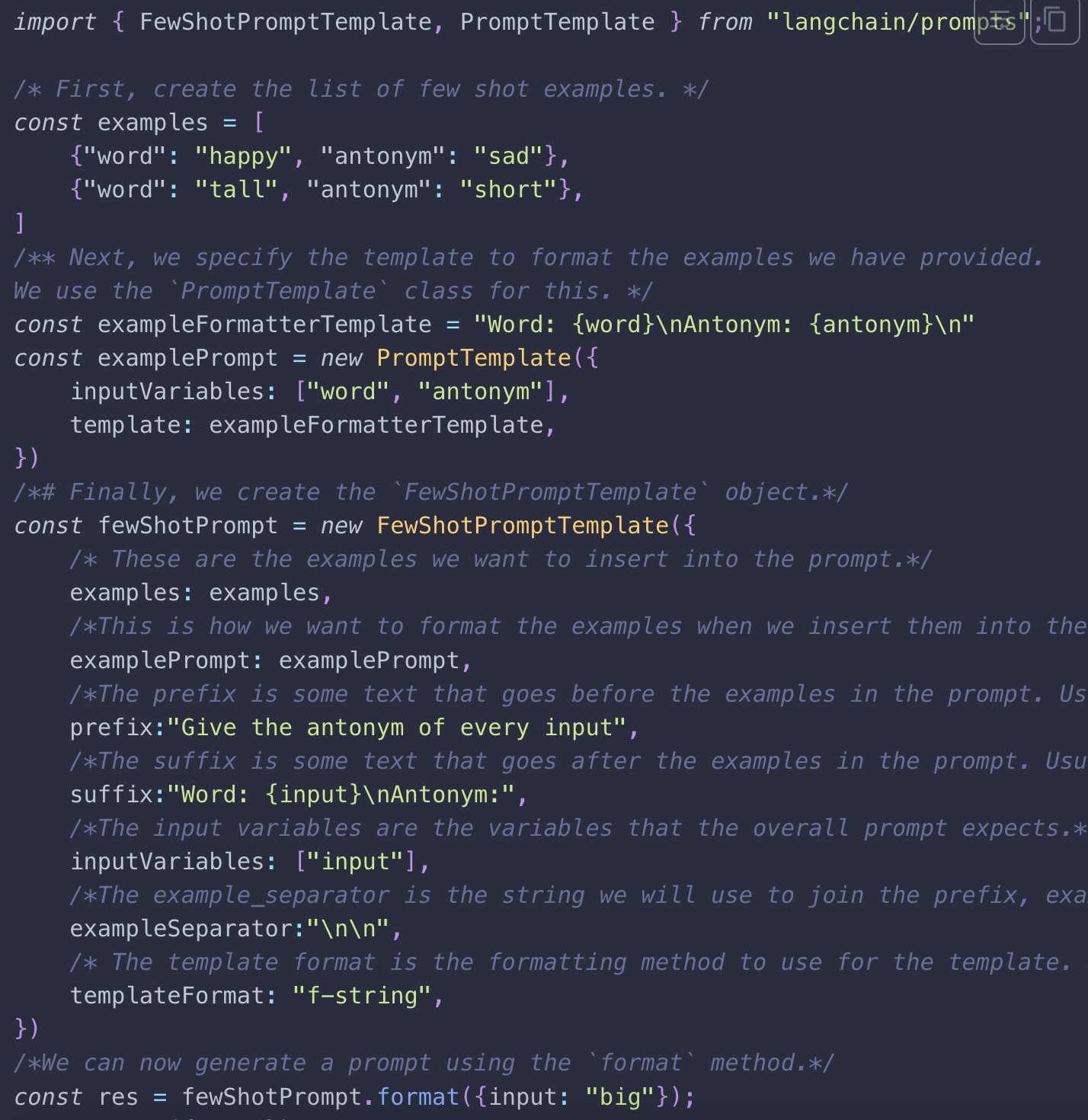
Mastering Prompt Templates With LangChain, 51 OFF

LangChain 06 Prompt Template Langchain Mistral AI Mixtral 8x7B

Custom Prompt Template Example from Docs can't instantiate abstract
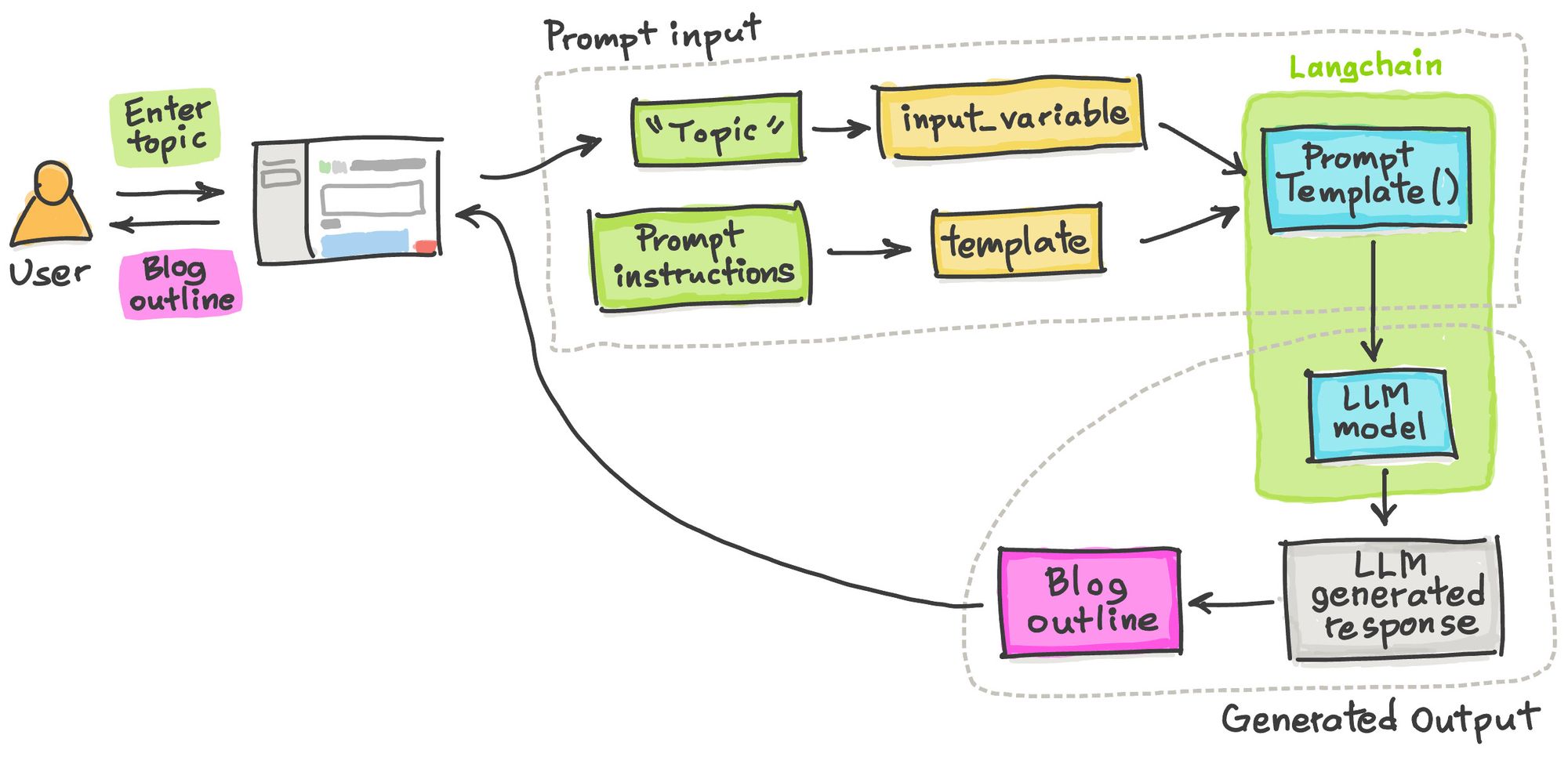
LangChain tutorial 2 Build a blog outline generator app in 25 lines

A Guide to Prompt Templates in LangChain
Mastering Prompt Templates with LangChain Lancer Ninja
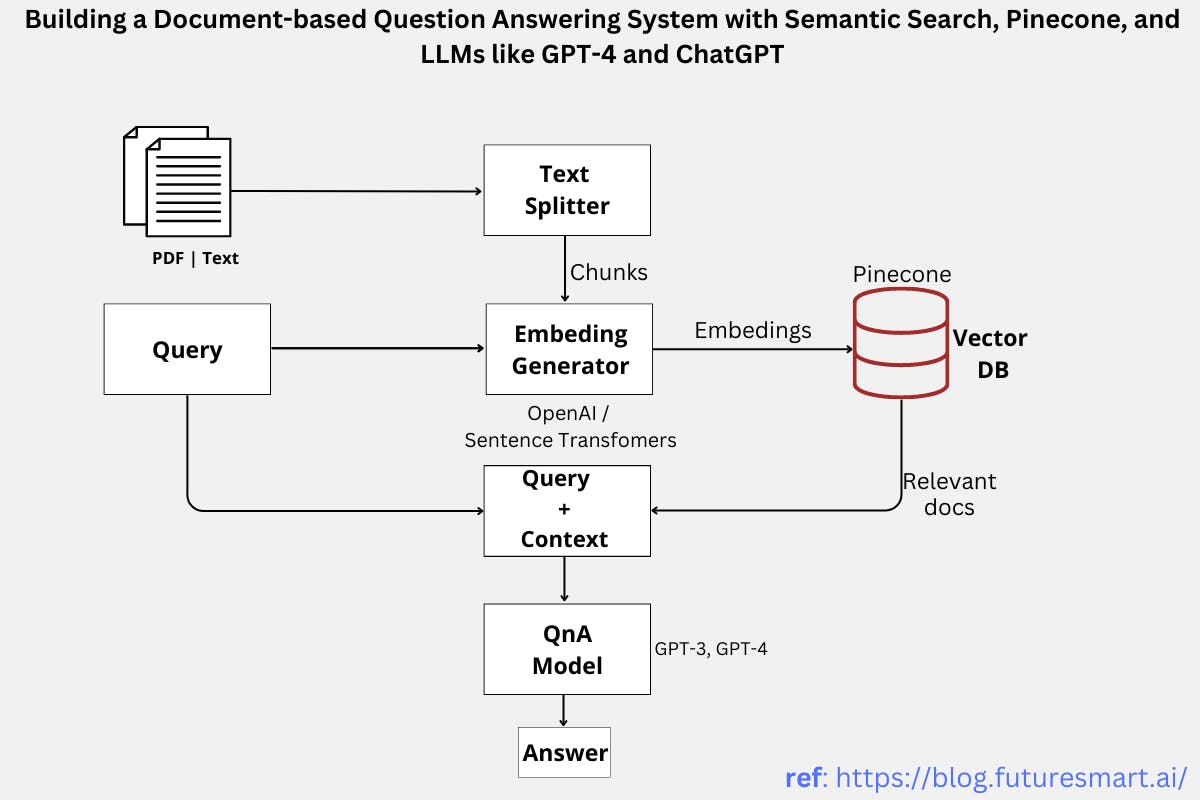
Langchain Prompt Templates

Custom prompts for langchain chains by dr. Robert Sokolewicz The AI
Langchain Prompt Template

LangChain Series Prompt Tools 101 Simple Prompt Templates YouTube
Prompts Are Usually Part Of A Chain In Projects.
A Langchain Prompt Template Defines How Prompts For Llms Should Be Structured, And Provides Opportunities For Reuse And Customization.
Prompt Templates Are A Powerful Tool In Langchain For Crafting Dynamic And Reusable Prompts For Large Language Models (Llms).
These Templates Can Dynamically Insert Variables To Adapt To.
Related Post: