
Langchain Prompt Template The Pipe In Variable
Langchain Prompt Template The Pipe In Variable - It accepts a set of parameters from the user that can be used to generate a prompt for a language. Common examples are date or time. We'll walk through a common pattern in langchain: Using a prompt template to format input into a chat model, and finally converting the chat message output into a string with an output parser. Class that handles a sequence of prompts, each of which may require different input variables. Deserializing needs to be async because templates (e.g. Prompt templates output a promptvalue. Using partial_variables, you can partially apply functions.this is particularly useful when there are common variables to be shared. Langchain integrates with various apis to enable tracing and embedding generation, which are crucial for debugging workflows and. Prompttemplate for creating basic prompts. Context and question are placeholders that are set when the llm agent is run with an input. Includes methods for formatting these prompts, extracting required input values, and handling. When you prompt in langchain, you’re encouraged (but not required) to use a predefined template class such as: Prompttemplate for creating basic prompts. Using partial_variables, you can partially apply functions.this is particularly useful when there are common variables to be shared. Class that handles a sequence of prompts, each of which may require different input variables. We'll walk through a common pattern in langchain: This promptvalue can be passed. A prompt template consists of a string template. Prompt templates output a promptvalue. Instead, you can partial the prompt template with the foo value, and then pass the partialed prompt template along and just use that. It accepts a set of parameters from the user that can be used to generate a prompt for a language. The template is a string that contains placeholders for. When you prompt in langchain, you’re encouraged (but. Includes methods for formatting these prompts, extracting required input values, and handling. This promptvalue can be passed. Get the variables from a mustache template. This is a class used to create a template for the prompts that will be fed into the language model. It accepts a set of parameters from the user that can be used to generate a. It accepts a set of parameters from the user that can be used to generate a prompt for a language. Deserializing needs to be async because templates (e.g. Prompt templates take as input an object, where each key represents a variable in the prompt template to fill in. A pipelineprompt consists of two main parts: Prompt templates output a promptvalue. Prompt template for composing multiple prompt templates together. Using partial_variables, you can partially apply functions.this is particularly useful when there are common variables to be shared. Prompt templates output a promptvalue. Prompt template for composing multiple prompt templates together. Class that handles a sequence of prompts, each of which may require different input variables. Class that handles a sequence of prompts, each of which may require different input variables. Prompt template for composing multiple prompt templates together. The template is a string that contains placeholders for. This is a class used to create a template for the prompts that will be fed into the language model. This promptvalue can be passed. Prompts import prompttemplate # define a custom. Using a prompt template to format input into a chat model, and finally converting the chat message output into a string with an output parser. This promptvalue can be passed. This is a class used to create a template for the prompts that will be fed into the language model. Get the variables. This is why they are specified as input_variables when the prompttemplate instance. Prompt templates take as input a dictionary, where each key represents a variable in the prompt template to fill in. A pipelineprompt consists of two main parts: The template is a string that contains placeholders for. Prompt template for composing multiple prompt templates together. Fewshotprompttemplate) can reference remote resources. This can be useful when you want to reuse parts of prompts. Deserializing needs to be async because templates (e.g. This promptvalue can be passed. Common examples are date or time. No matter what input i give the fewshotprompttemplate, it fails with a keyerror: This is why they are specified as input_variables when the prompttemplate instance. Includes methods for formatting these prompts, extracting required input values, and handling. It accepts a set of parameters from the user that can be used to generate a prompt. The template is a string that. Prompt template for a language model. This can be useful when you want to reuse parts of prompts. Context and question are placeholders that are set when the llm agent is run with an input. No matter what input i give the fewshotprompttemplate, it fails with a keyerror: Class that handles a sequence of prompts, each of which may require. Prompttemplate for creating basic prompts. Fewshotprompttemplate) can reference remote resources. This promptvalue can be passed. Prompt template for a language model. We'll walk through a common pattern in langchain: Prompt template for composing multiple prompt templates together. Class that handles a sequence of prompts, each of which may require different input variables. This is a list of tuples, consisting of a string (name) and a prompt template. Common examples are date or time. Prompt templates take as input an object, where each key represents a variable in the prompt template to fill in. Includes methods for formatting these prompts, extracting required input values, and handling. Includes methods for formatting these prompts, extracting required input values, and handling. Each prompttemplate will be formatted and then passed to future prompt templates. Prompt templates take as input a dictionary, where each key represents a variable in the prompt template to fill in. It accepts a set of parameters from the user that can be used to generate a prompt for a language. Prompts.string.validate_jinja2 (template,.) validate that the input variables are valid for the template.
Mastering Prompt Templates with LangChain Lancer Ninja

A Guide to Prompt Templates in LangChain
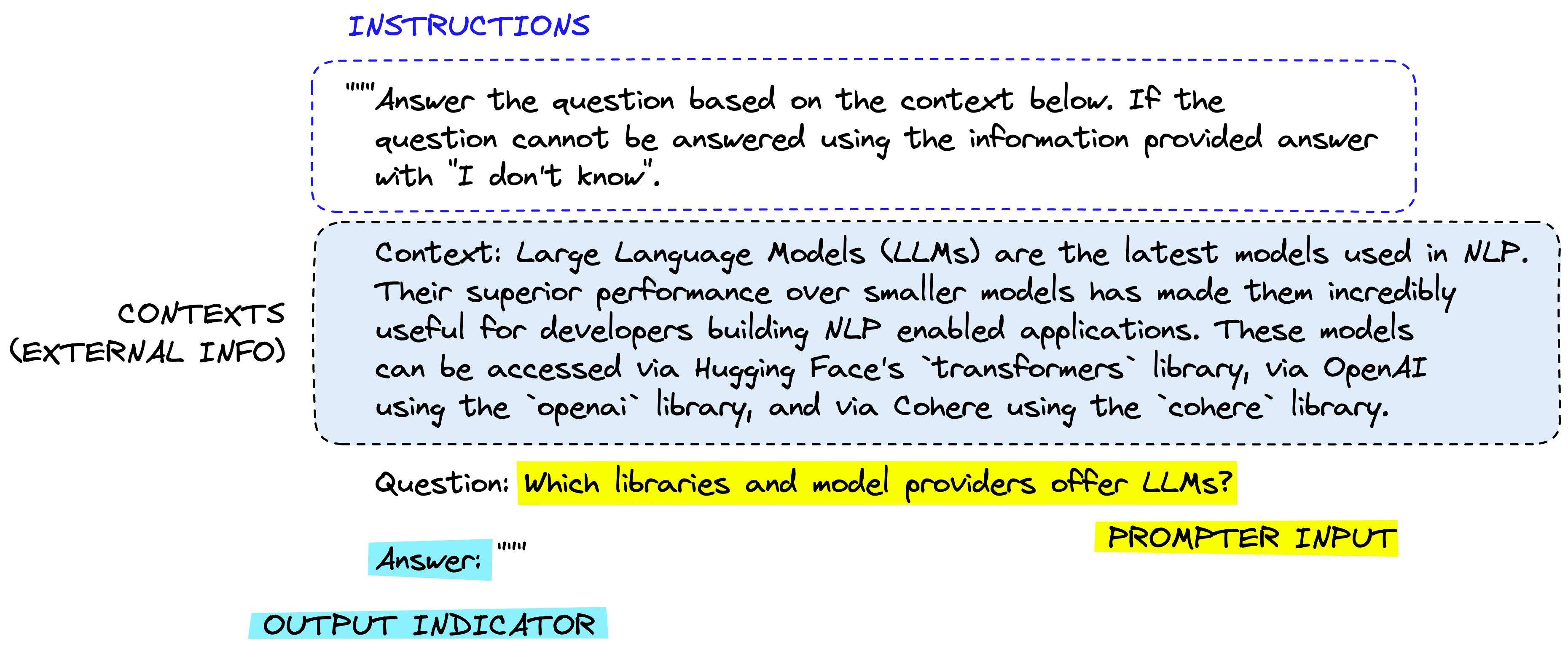
Langchain Prompt Template
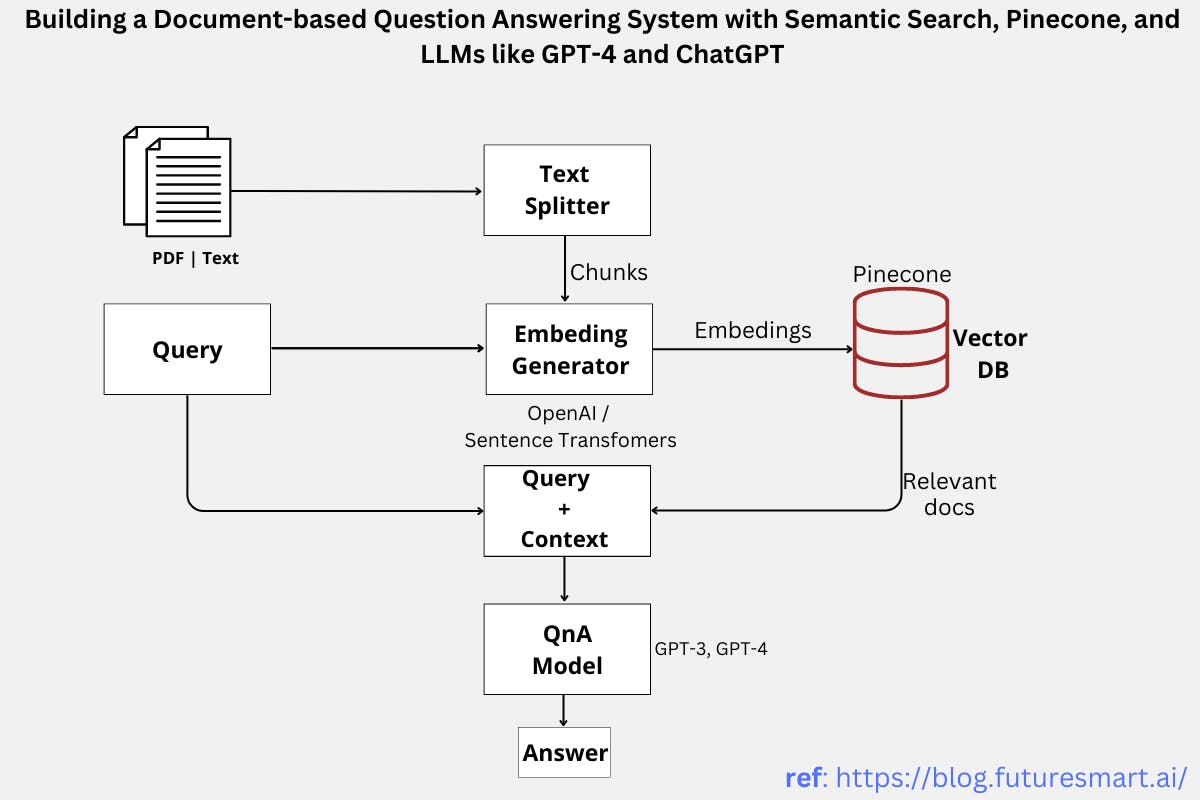
Langchain Prompt Templates
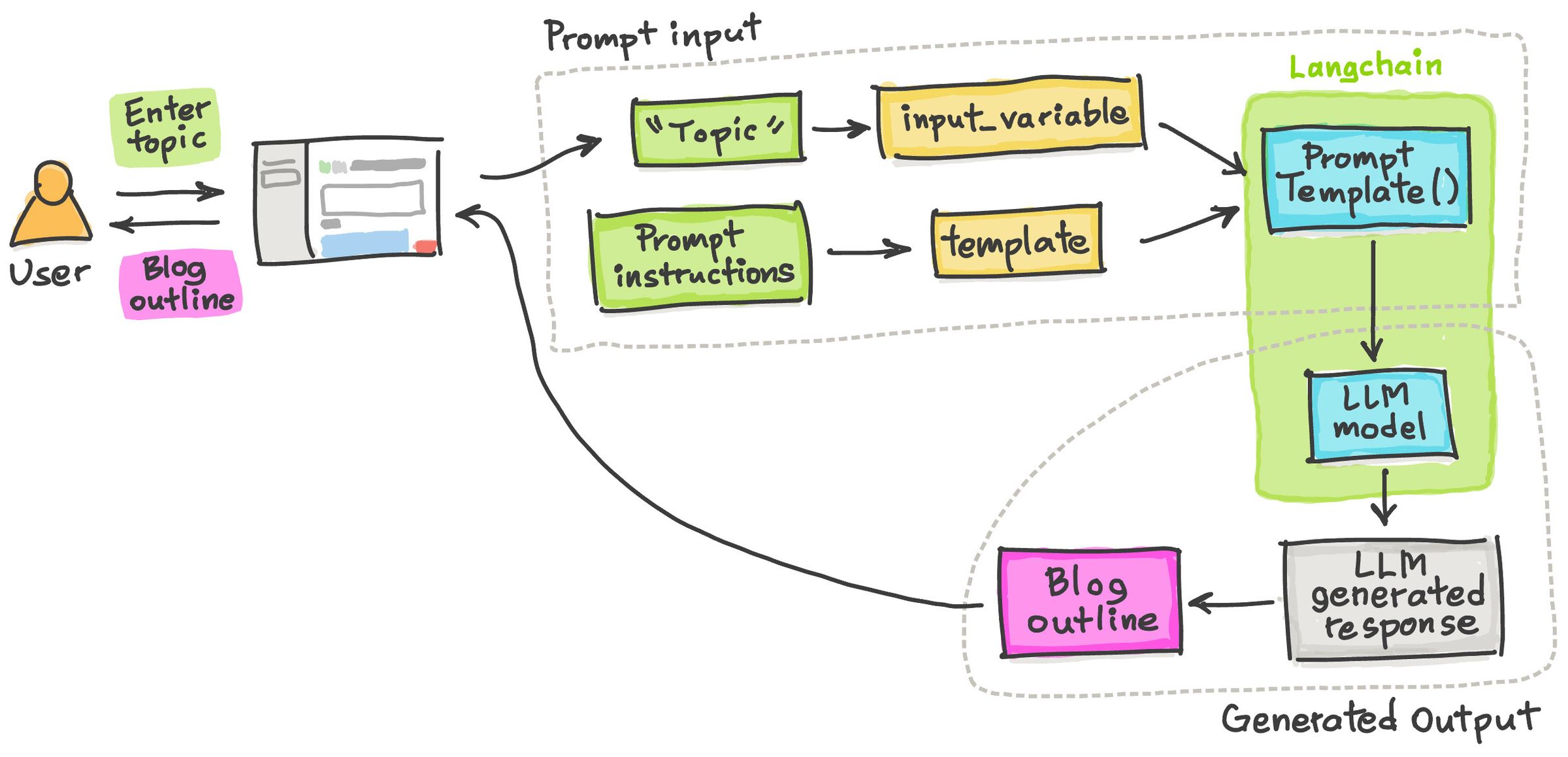
LangChain tutorial 2 Build a blog outline generator app in 25 lines

Different Prompt Templates using LangChain by Shravan Kumar Medium
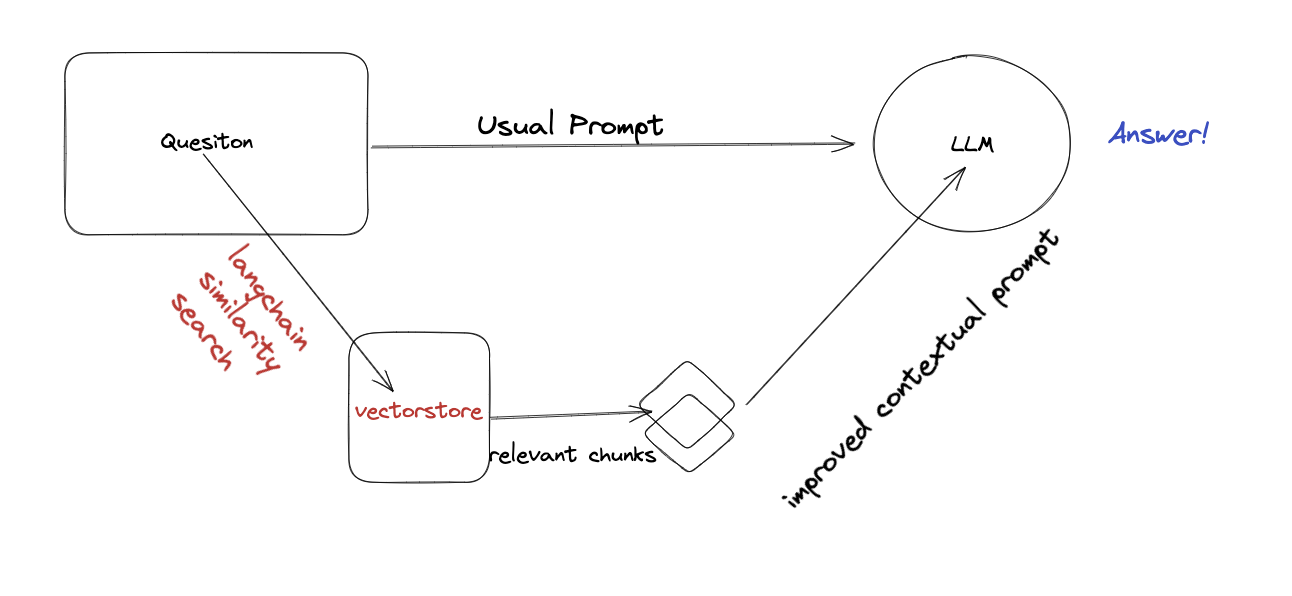
Langchain & Prompt Plumbing
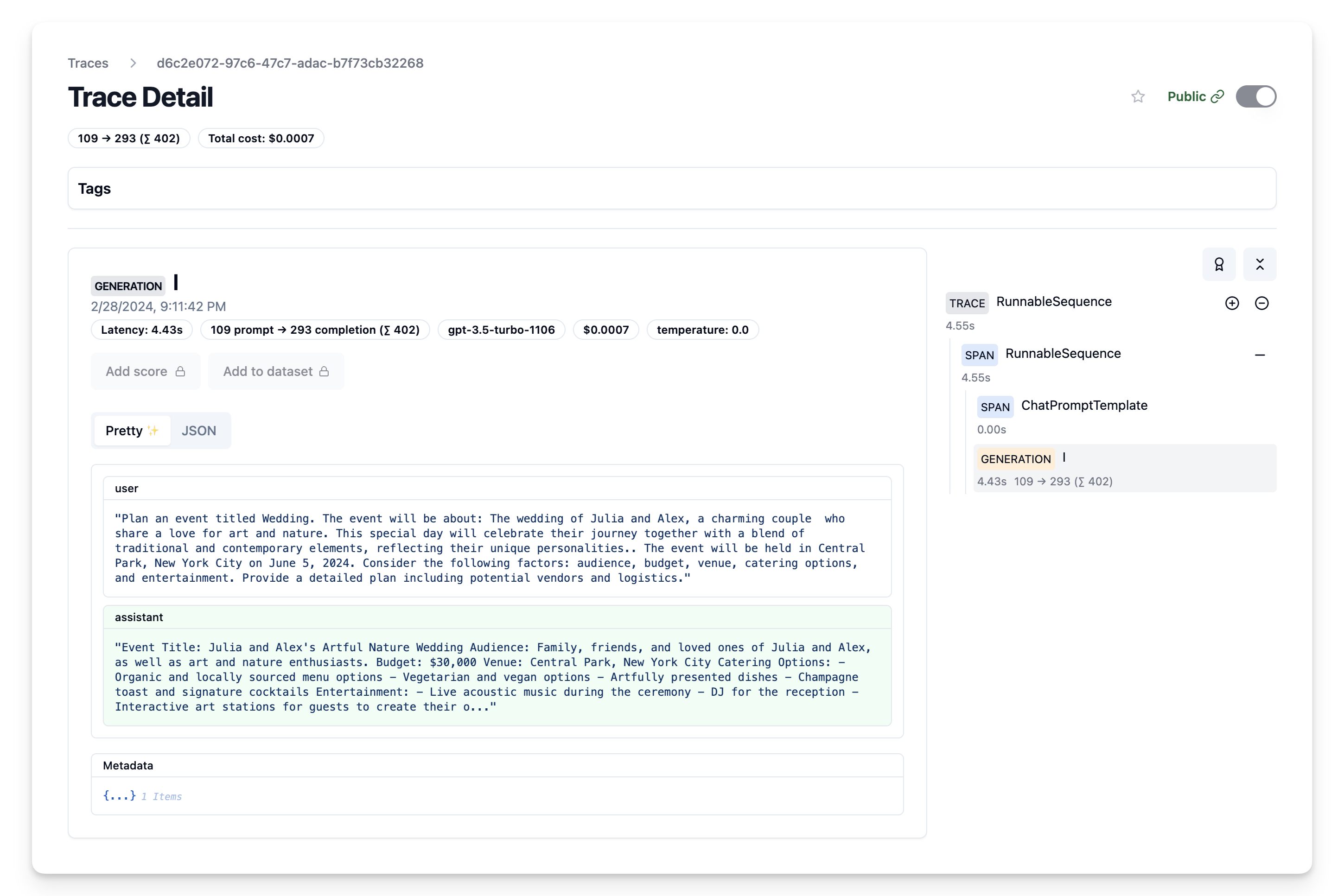
Example Langfuse Prompt Management with Langchain (Python) Langfuse
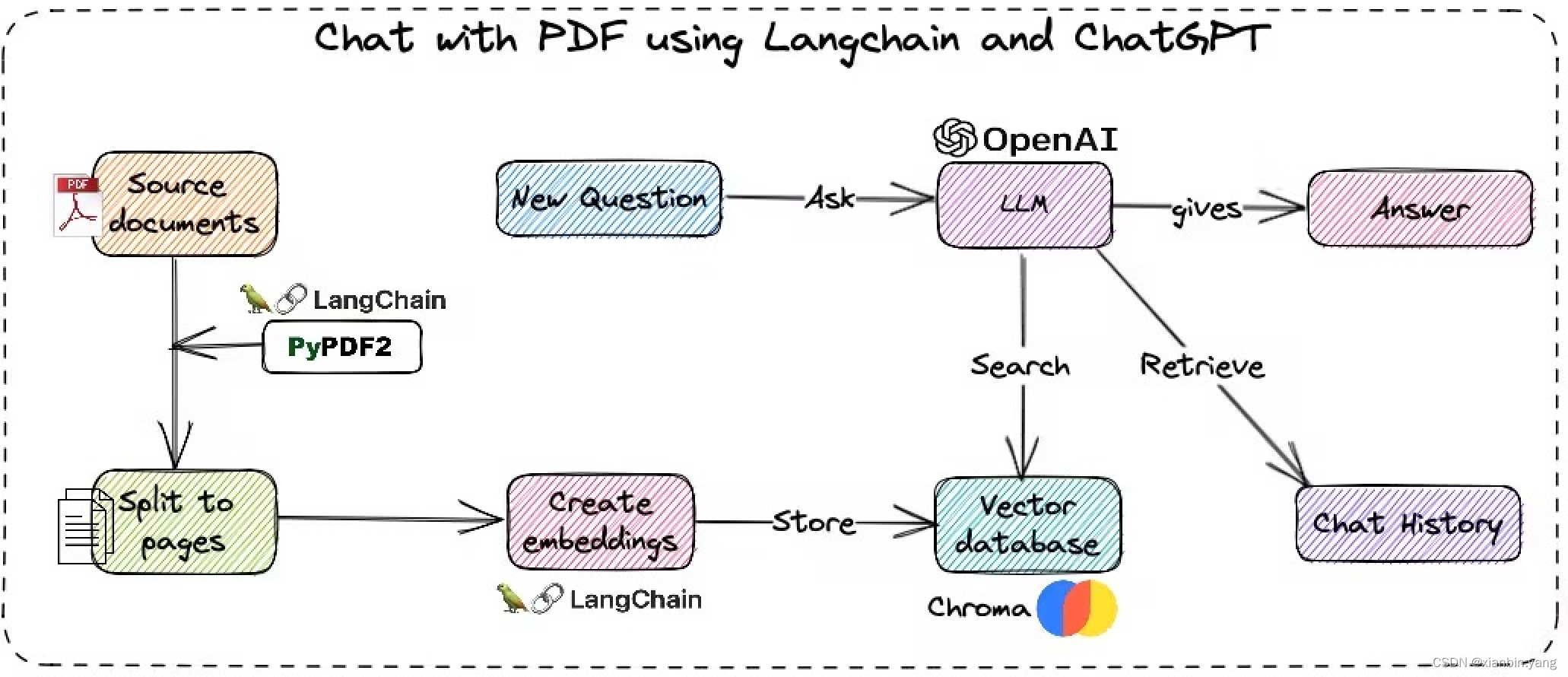
Langchain Prompt Template

LangChain Nodejs Openai Typescript part 1 Prompt Template + Variables
Below Is An Example Of Doing This:
A Prompt Template Consists Of A String Template.
Context And Question Are Placeholders That Are Set When The Llm Agent Is Run With An Input.
It Accepts A Set Of Parameters From The User That Can Be Used To Generate A Prompt.
Related Post: