
If Else Helms Template
If Else Helms Template - The basic structure of a conditional block is as follows: I found that we can create subcharts and conditionally include them as described here: With to specify a scope; A if/else block is a method used to conditionally include a block of text in a template. I have just one template that i want conditionally. Flow control is just like the if else statement in any other programming language. Basically, i want to add env configs in configfile based on the if/else condition. Creating template file and access through it; If/else for creating conditional blocks; Advance temaplate with if statement; With to specify a scope; Helm’s template language provides the following control structures: Creating template file and access through it; Code block didn’t look clean and, i begin to explore alternative ways to. Notice that we're now talking about pipelinesinstead of values. With to specify a scope; If/else for creating conditional blocks; Advance temaplate with if statement; If/else for creating conditional blocks; Clusterip i need to add 2 more. If/else for creating conditional blocks; If/else for creating conditional blocks; A if/else block is a method used to conditionally include a block of text in a template. Here the condition will be evaluated by the pipeline to see whether the condition is true or false. Basically, i want to add env configs in configfile based on the if/else condition. Basically, i want to add env configs in configfile based on the if/else condition. With to specify a scope; Clusterip i need to add 2 more. I found that we can create subcharts and conditionally include them as described here: The documentation for the go text/template package explains what the if statement considers as true: The first control structure we'll look at is for conditionally including blocksof text in a template. The empty [false] values are false, 0, any nil pointer or interface value, and any array,. Creating template file and access through it; The documentation for the go text/template package explains what the if statement considers as true: I have just one template that. With to specify a scope; Flow control is just like the if else statement in any other programming language. Notice that we're now talking about pipelinesinstead of values. The empty [false] values are false, 0, any nil pointer or interface value, and any array,. Basically, i want to add env configs in configfile based on the if/else condition. Flow control is just like the if else statement in any other programming language. Basically, i want to add env configs in configfile based on the if/else condition. I have just one template that i want conditionally. Helm’s template language provides the following control structures: I was trying to put the if condition in a single line of the helm. The empty [false] values are false, 0, any nil pointer or interface value, and any array,. The basic structure for a conditional looks like this: I was trying to put the if condition in a single line of the helm template: Basically, i want to add env configs in configfile based on the if/else condition. Notice that we're now talking. Clusterip i need to add 2 more. Code block didn’t look clean and, i begin to explore alternative ways to. If/else for creating conditional blocks; I found that we can create subcharts and conditionally include them as described here: The documentation for the go text/template package explains what the if statement considers as true: I found that we can create subcharts and conditionally include them as described here: Advance temaplate with if statement; Helm's template language provides the following control structures: I was trying to put the if condition in a single line of the helm template: With to specify a scope; Creating template file and access through it; I was trying to put the if condition in a single line of the helm template: Helm's template language provides the following control structures: Advance temaplate with if statement; The basic structure of a conditional block is as follows: Here the condition will be evaluated by the pipeline to see whether the condition is true or false. Helm's template language provides the following control structures: Advance temaplate with if statement; The basic structure for a conditional looks like this: If/else for creating conditional blocks; I found that we can create subcharts and conditionally include them as described here: I have just one template that i want conditionally. Helm's template language provides the following control structures: If/else for creating conditional blocks; Notice that we're now talking about pipelinesinstead of values. Creating template file and access through it; The basic structure for a conditional looks like this: Basically, i want to add env configs in configfile based on the if/else condition. The first control structure we'll look at is for conditionally including blocksof text in a template. Flow control is just like the if else statement in any other programming language. A if/else block is a method used to conditionally include a block of text in a template. The basic structure of a conditional block is as follows: The documentation for the go text/template package explains what the if statement considers as true: The empty [false] values are false, 0, any nil pointer or interface value, and any array,. Here the condition will be evaluated by the pipeline to see whether the condition is true or false. The reasonfor this is to make it clear that control structures can execute an entirepipeline,.
Flow Control (IF/ELSE) statement in HELM YouTube
![[Helm chart] how do you use “if else” in helmchart NimTechnology](https://nimtechnology.com/wp-content/uploads/2021/09/ff1xjsnvdlnfinirlwb-0p42tlo.png)
[Helm chart] how do you use “if else” in helmchart NimTechnology
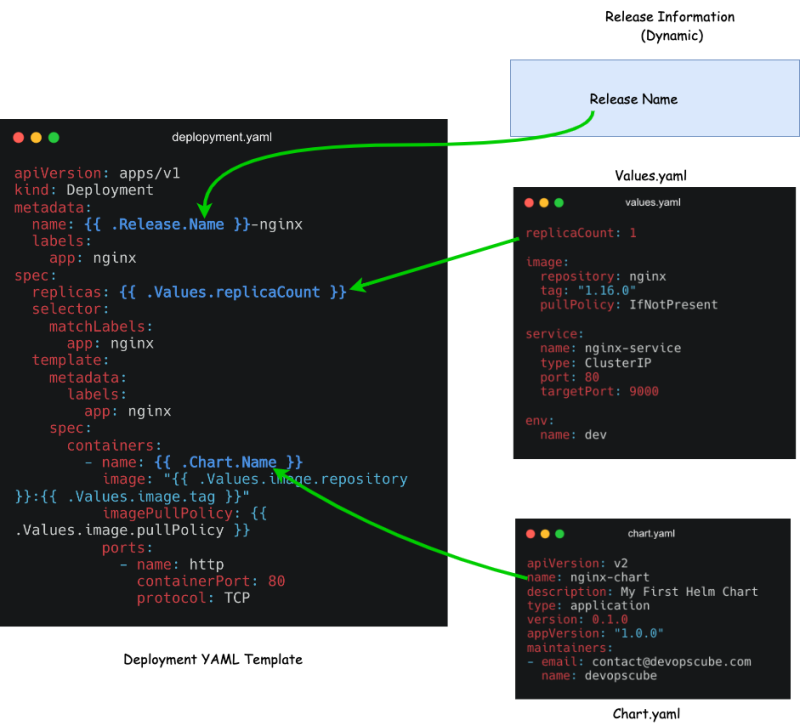
Helm Define Variable In If at Pamela Tipton blog
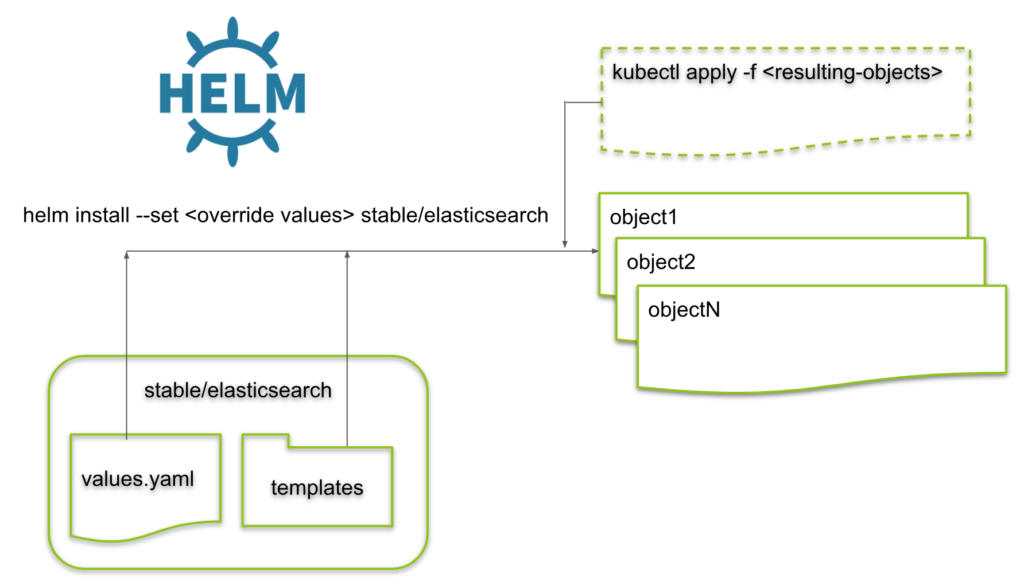
Helm Template Syntax
![[Helm chart] how do you use “if else” in helmchart NimTechnology](https://nimtechnology.com/wp-content/uploads/2022/05/1_ZVVftcOl9gGuEJsgn5vhLQ.png?v=1653219234)
[Helm chart] how do you use “if else” in helmchart NimTechnology
![[Helm chart] how do you use “if else” in helmchart NimTechnology](https://nimtechnology.com/wp-content/uploads/2022/03/Helm-Chart-Hooks-Tutorial.png?v=1646812287)
[Helm chart] how do you use “if else” in helmchart NimTechnology
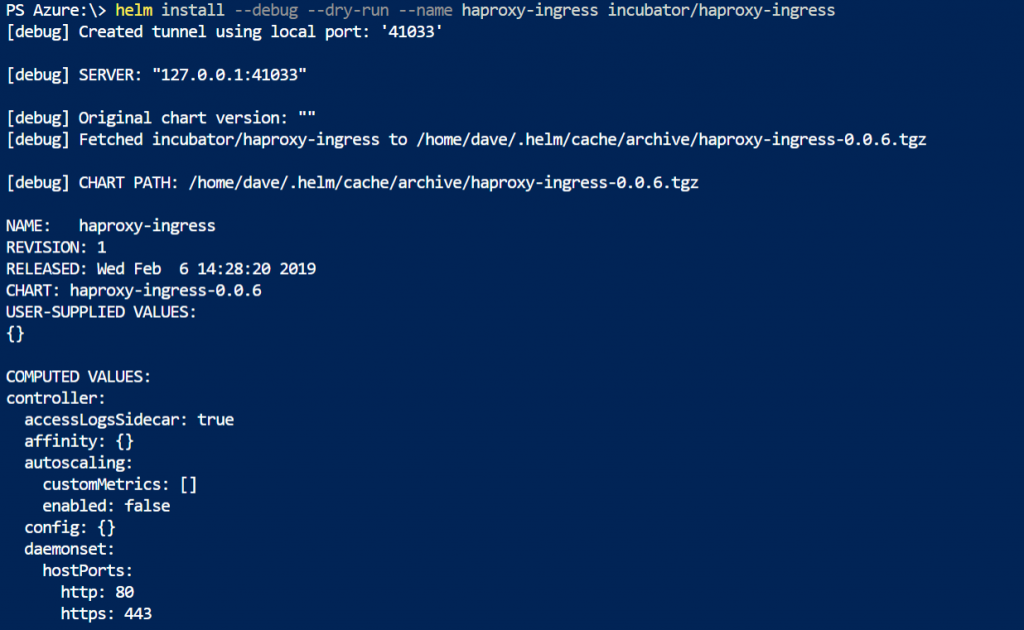
Helm Template Command Examples
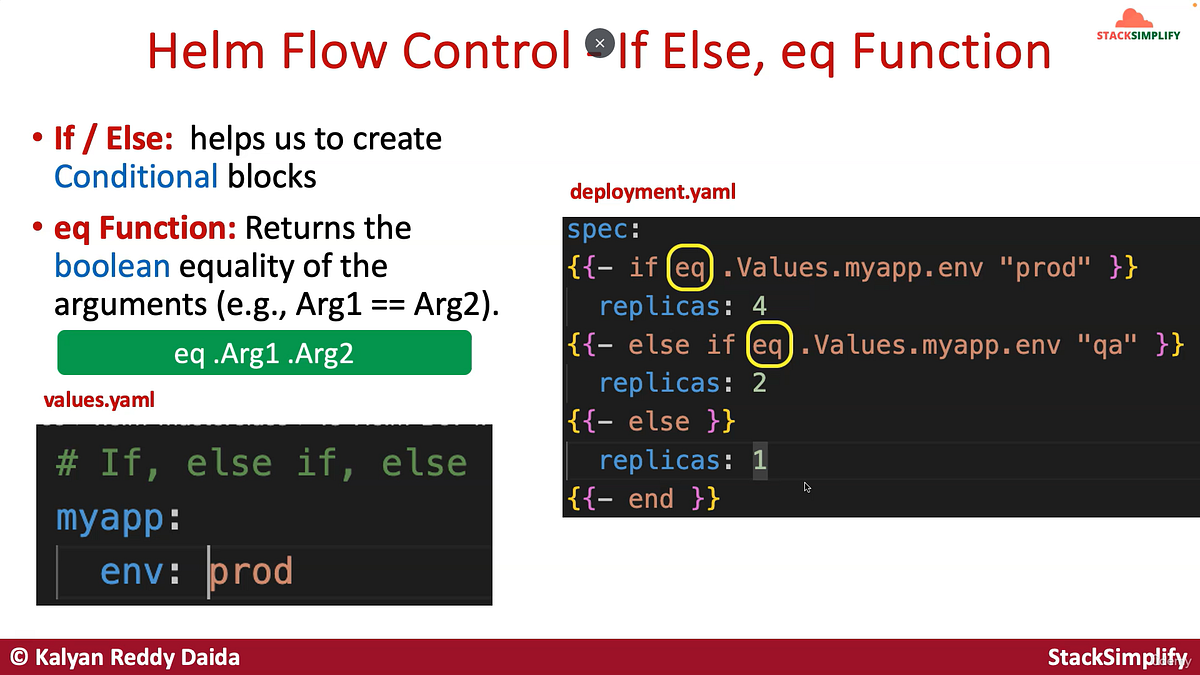
Helm masterclass series Helm if , else with EQ function . by Sapna

Helm Template Syntax

Helm Template Example Printable Word Searches
With To Specify A Scope;
Code Block Didn’t Look Clean And, I Begin To Explore Alternative Ways To.
With To Specify A Scope;
Helm’s Template Language Provides The Following Control Structures:
Related Post: