
How To Concatenate Helm Template
How To Concatenate Helm Template - The problem is that helm doesn't seem to be able to render the template interpreting the. Let's quickly get started by generating a sample helm chart using the helm create command: In our example, we will. Writing helm charts for all your services can generate redundant code. In helm templates, you can concatenate strings using the printf function. By mastering helm commands and template writing, you can create flexible,. You cannot currently (in golang 1.9, but available in 1.11, see update above) reassign template variables because if introduces a new scope. I'm trying to assign the output of a function to a var and append to the string at the same time but can't figure out the right syntax. The dot for this template is set to the number (its a float64). They are listed here and broken down by the following categories: I've found no option in sprig or go templates libs. Writing helm charts for all your services can generate redundant code. Const src = `{{ $url := print.something .myurl.com }}result: You can use append to add items to a list, but i don't think there's. You cannot currently (in golang 1.9, but available in 1.11, see update above) reassign template variables because if introduces a new scope. None of these examples work: Helm ‘named template’ comes to the rescue. You don't have to assign it to a variable, but $condition | ternary (list $a $b $c | compact | join ). I'm trying to assign the output of a function to a var and append to the string at the same time but can't figure out the right syntax. How to use them together (helm template vs helm install/upgrade), including the implementation differences. You don't have to assign it to a variable, but $condition | ternary (list $a $b $c | compact | join ). I've found no option in sprig or go templates libs. To simply concatenate values in templates, you may use the builtin print function. I'm trying to assign the output of a function to a var and append to. Helm includes many template functions you can take advantage of in templates. In our example, we will. The problem is that helm doesn't seem to be able to render the template interpreting the. By mastering helm commands and template writing, you can create flexible,. In helm templates, you can concatenate strings using the printf function. You cannot currently (in golang 1.9, but available in 1.11, see update above) reassign template variables because if introduces a new scope. Const src = `{{ $url := print.something .myurl.com }}result: You can use append to add items to a list, but i don't think there's. This guide will walk you through the essential aspects of including nested values within. This guide will walk you through the essential aspects of including nested values within helm templates, enabling you. To simply concatenate values in templates, you may use the builtin print function. Writing helm charts for all your services can generate redundant code. By mastering helm commands and template writing, you can create flexible,. Helm ‘named template’ comes to the rescue. Helm includes many template functions you can take advantage of in templates. You cannot currently (in golang 1.9, but available in 1.11, see update above) reassign template variables because if introduces a new scope. In this section, we will see how to define named templates in one file, and then use them elsewhere. Helm includes numerous logic and control. You. I've found no option in sprig or go templates libs. In our example, we will. Here’s how you can format your variables vara and varb with a hyphen in between: Helm includes numerous logic and control. This guide will walk you through the essential aspects of including nested values within helm templates, enabling you. Helm ‘named template’ comes to the rescue. Let's quickly get started by generating a sample helm chart using the helm create command: {{ $url }}` t :=. You cannot currently (in golang 1.9, but available in 1.11, see update above) reassign template variables because if introduces a new scope. Hi, how can i join (concatenate) two lists in helm templates? To simply concatenate values in templates, you may use the builtin print function. Until this is fixed (see issue. Here’s how you can format your variables vara and varb with a hyphen in between: Hi, how can i join (concatenate) two lists in helm templates? The dot for this template is set to the number (its a float64). Const src = `{{ $url := print.something .myurl.com }}result: Helm is a powerful tool that can significantly simplify your kubernetes deployments. In helm templates, you can concatenate strings using the printf function. Using helm templates, i'm trying to generate a list of server names based on a number in values.yaml. How to use them together (helm template vs helm install/upgrade),. You don't have to assign it to a variable, but $condition | ternary (list $a $b $c | compact | join ). To simply concatenate values in templates, you may use the builtin print function. Using helm templates, i'm trying to generate a list of server names based on a number in values.yaml. Concatenate three variables, but suppress nulls isn't. In our example, we will append the release name with the service account name. To simply concatenate values in templates, you may use the builtin print function. Helm includes numerous logic and control. The problem is that helm doesn't seem to be able to render the template interpreting the. Using helm templates, i'm trying to generate a list of server names based on a number in values.yaml. They are listed here and broken down by the following categories: I've found no option in sprig or go templates libs. We can save common configuration code in our. I'm trying to assign the output of a function to a var and append to the string at the same time but can't figure out the right syntax. Until this is fixed (see issue. The dot for this template is set to the number (its a float64). Recently we wanted to create a unique service account for each microservice, so all microservices don’t share same service account using helm template. Const src = `{{ $url := print.something .myurl.com }}result: By mastering helm commands and template writing, you can create flexible,. Here’s how you can format your variables vara and varb with a hyphen in between: Helm includes many template functions you can take advantage of in templates.![How To Create Helm Chart Beginners Guide]](https://devopscube.com/wp-content/uploads/2022/12/helm-chart.drawio.png)
How To Create Helm Chart Beginners Guide]
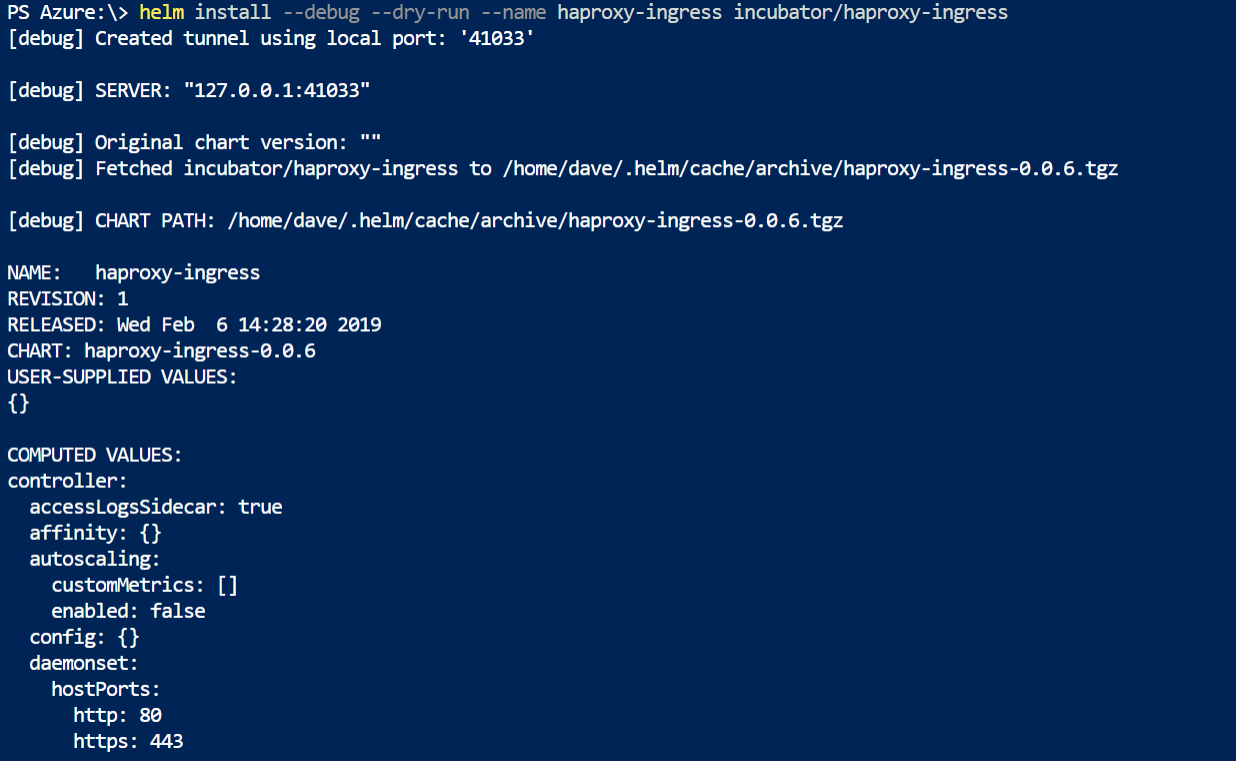
Helm Template Command Example
Helm Template Include

Helm Template Example Printable Word Searches
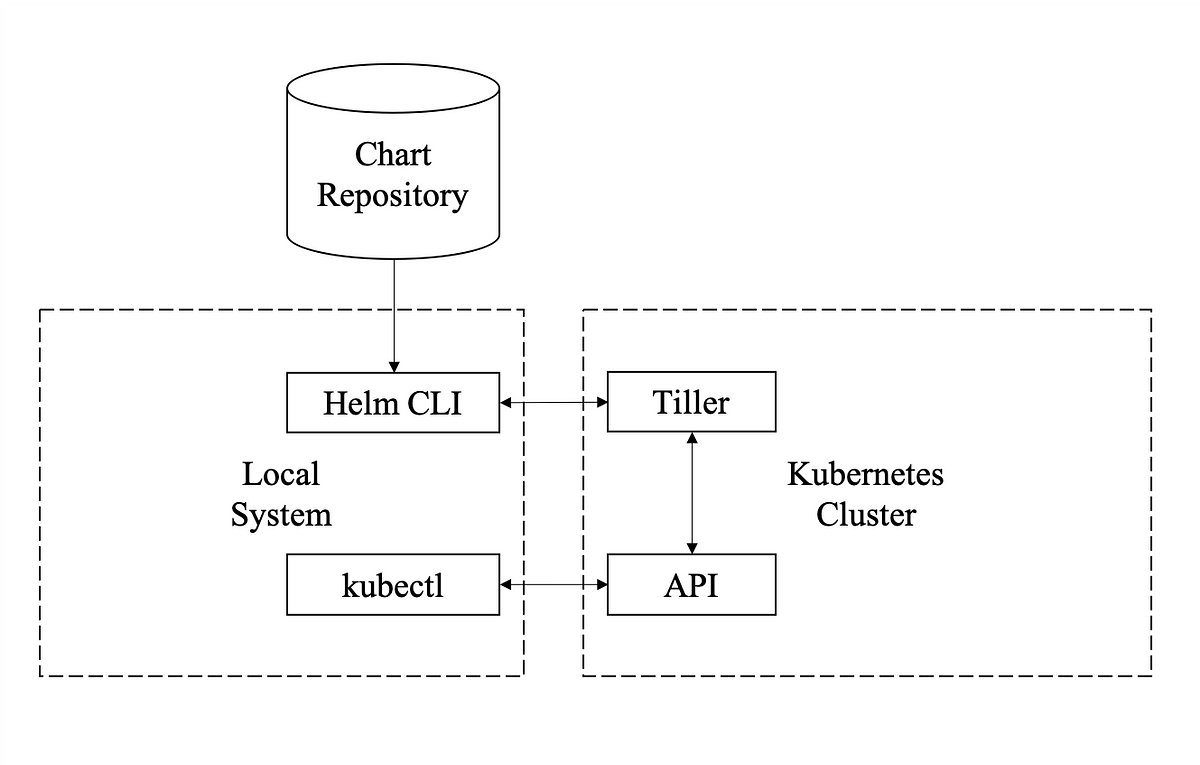
Helm Template Command Example
![How To Create Helm Chart Beginners Guide]](https://devopscube.com/wp-content/uploads/2022/12/helm-template.png)
How To Create Helm Chart Beginners Guide]

Basic EVA Foam Costume Helmet Template Tutorial YouTube

Helm Template Command Example
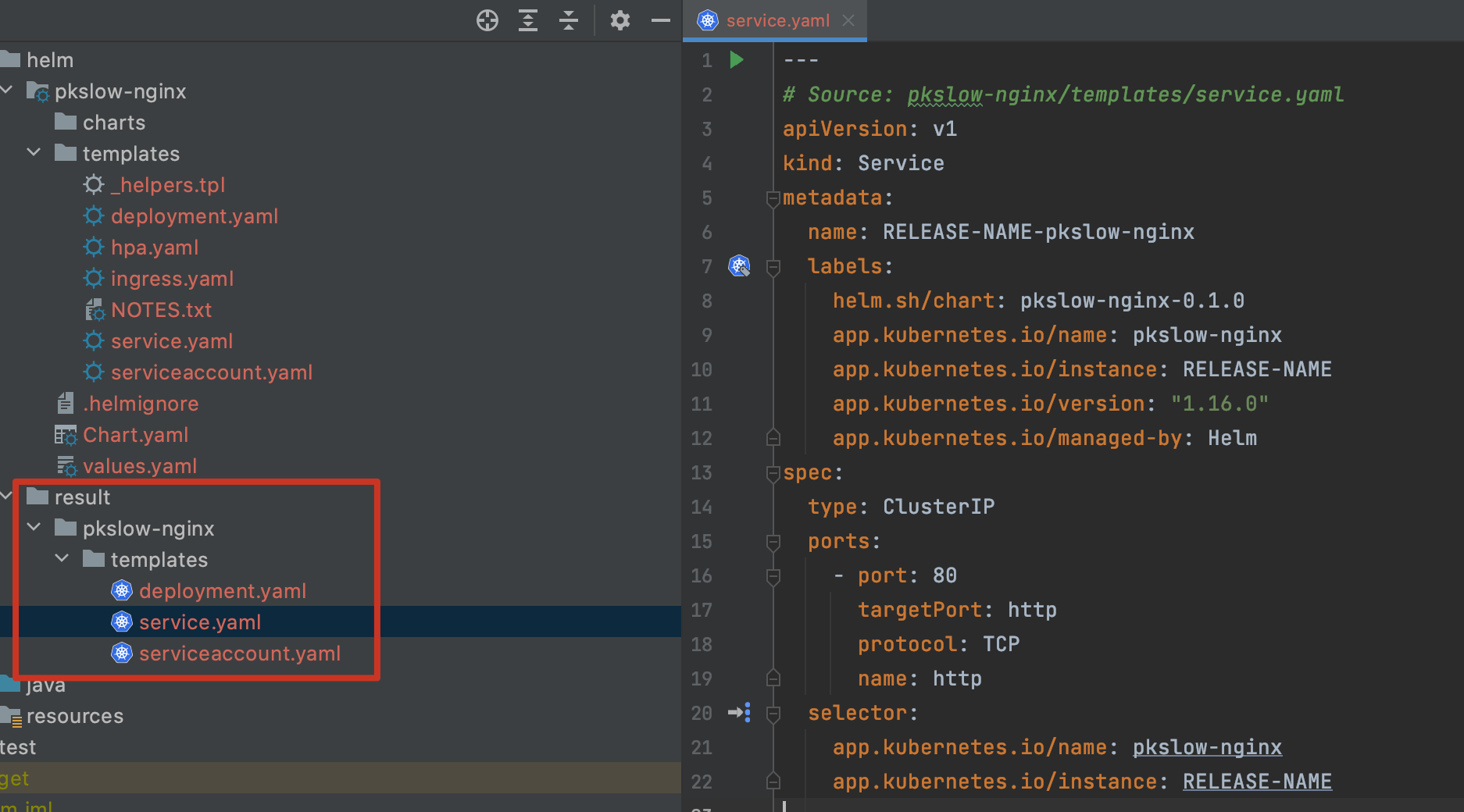
Helm Template Language
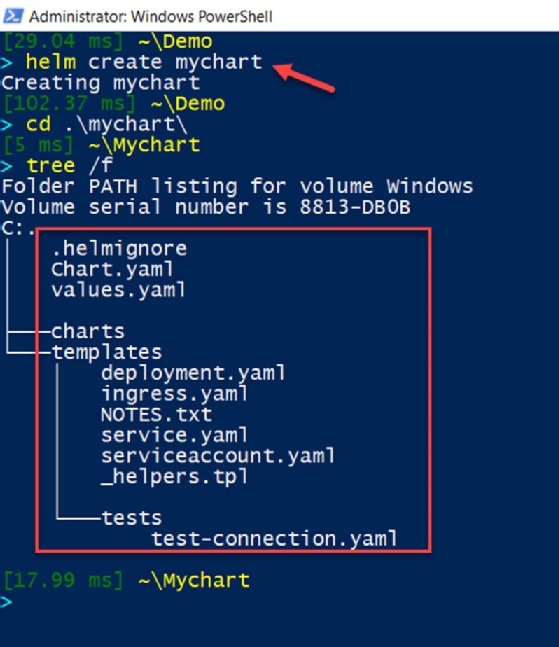
Helm Template Command Examples
{{ $Url }}` T :=.
How To Use Them Together (Helm Template Vs Helm Install/Upgrade), Including The Implementation Differences.
This Guide Will Walk You Through The Essential Aspects Of Including Nested Values Within Helm Templates, Enabling You.
You Cannot Currently (In Golang 1.9, But Available In 1.11, See Update Above) Reassign Template Variables Because If Introduces A New Scope.
Related Post: