
Helm Chart Use Secret In Template
Helm Chart Use Secret In Template - I'm trying to use a helm chart to deploy my secrets as sealed secret, i have created a template for the sealed secret One of gitops principle encourages using version control systems to. If you want to be able to check in your secrets into git, i'd recommend you to use helm secrets. (this is for 1 secret) Helm provides a b64dec function that could decode it. In this article, you will learn how to add and use encrypted secrets in custom helm charts using mozilla sops. Containing a config file, where it safely inlines db credentials; Specify a secret class which targets your external secret, then mount that secret as a volume. Image pull secrets are essentially a combination of registry, username, and password. It'd be better to refer to the secret as an environment variable in your pod spec, or pass the value directly into helm. You may need them in an application you are deploying, but to create them requires running base64 a. Containing a config file, where it safely inlines db credentials; (this is for 1 secret) Image pull secrets are essentially a combination of registry, username, and password. And the next step is to send decrypted secrets to kubernetes by creating secret kubernetes resources via setting helm chart template transformation (similar to what was. It'd be better to refer to the secret as an environment variable in your pod spec, or pass the value directly into helm. Im new with helm charts but i created a deployment template, the template will need to include 2 secrets, so, inside the deployment.yaml file i have this: If you want to be able to check in your secrets into git, i'd recommend you to use helm secrets. In this article, you will learn how to add and use encrypted secrets in custom helm charts using mozilla sops. One of gitops principle encourages using version control systems to. I'm trying to use a helm chart to deploy my secrets as sealed secret, i have created a template for the sealed secret It provides a wrapper for the helm cli and enables you to specify an additional. (this is for 1 secret) Helm provides a b64dec function that could decode it. Alternatively you can mount the secret as an. Containing a config file, where it safely inlines db credentials; One gotcha is that you must mount it to. In this article, you will learn how to add and use encrypted secrets in custom helm charts using mozilla sops. One of gitops principle encourages using version control systems to. It provides a wrapper for the helm cli and enables you. And the next step is to send decrypted secrets to kubernetes by creating secret kubernetes resources via setting helm chart template transformation (similar to what was. To reference an existing secret in a helm chart, you need to ensure that the deployment resource is configured to mount or use the secret without recreating it. Containing a config file, where it. To reference an existing secret in a helm chart, you need to ensure that the deployment resource is configured to mount or use the secret without recreating it. (this is for 1 secret) It provides a wrapper for the helm cli and enables you to specify an additional. And the next step is to send decrypted secrets to kubernetes by. It provides a wrapper for the helm cli and enables you to specify an additional. In these cases, set the helm values directly instead of relying on the environment variable values. You can add other environment variables to the env section of a values file. Containing a config file, where it safely inlines db credentials; It'd be better to refer. It provides a wrapper for the helm cli and enables you to specify an additional. One gotcha is that you must mount it to. In this article, you will learn how to add and use encrypted secrets in custom helm charts using mozilla sops. Im new with helm charts but i created a deployment template, the template will need to. If you want to be able to check in your secrets into git, i'd recommend you to use helm secrets. In these cases, set the helm values directly instead of relying on the environment variable values. One of gitops principle encourages using version control systems to. In this article, you will learn how to add and use encrypted secrets in. Im new with helm charts but i created a deployment template, the template will need to include 2 secrets, so, inside the deployment.yaml file i have this: To reference an existing secret in a helm chart, you need to ensure that the deployment resource is configured to mount or use the secret without recreating it. Image pull secrets are essentially. It provides a wrapper for the helm cli and enables you to specify an additional. (this is for 1 secret) Alternatively you can mount the secret as an env var. In these cases, set the helm values directly instead of relying on the environment variable values. And the next step is to send decrypted secrets to kubernetes by creating secret. Containing a config file, where it safely inlines db credentials; It provides a wrapper for the helm cli and enables you to specify an additional. You may need them in an application you are deploying, but to create them requires running base64 a. Helm provides a b64dec function that could decode it. It'd be better to refer to the secret. In these cases, set the helm values directly instead of relying on the environment variable values. To reference an existing secret in a helm chart, you need to ensure that the deployment resource is configured to mount or use the secret without recreating it. And the next step is to send decrypted secrets to kubernetes by creating secret kubernetes resources via setting helm chart template transformation (similar to what was. Helm provides a b64dec function that could decode it. One gotcha is that you must mount it to. One of gitops principle encourages using version control systems to. Im new with helm charts but i created a deployment template, the template will need to include 2 secrets, so, inside the deployment.yaml file i have this: (this is for 1 secret) You can add other environment variables to the env section of a values file. Specify a secret class which targets your external secret, then mount that secret as a volume. If you want to be able to check in your secrets into git, i'd recommend you to use helm secrets. Containing a config file, where it safely inlines db credentials; Image pull secrets are essentially a combination of registry, username, and password. You may need them in an application you are deploying, but to create them requires running base64 a. It provides a wrapper for the helm cli and enables you to specify an additional.helmchart/templates/secrets.yaml at master · storageos/helmchart · GitHub
![How To Create Helm Chart Beginners Guide]](https://devopscube.com/wp-content/uploads/2022/12/helm-chart.drawio.png)
How To Create Helm Chart Beginners Guide]

Helm Template Example
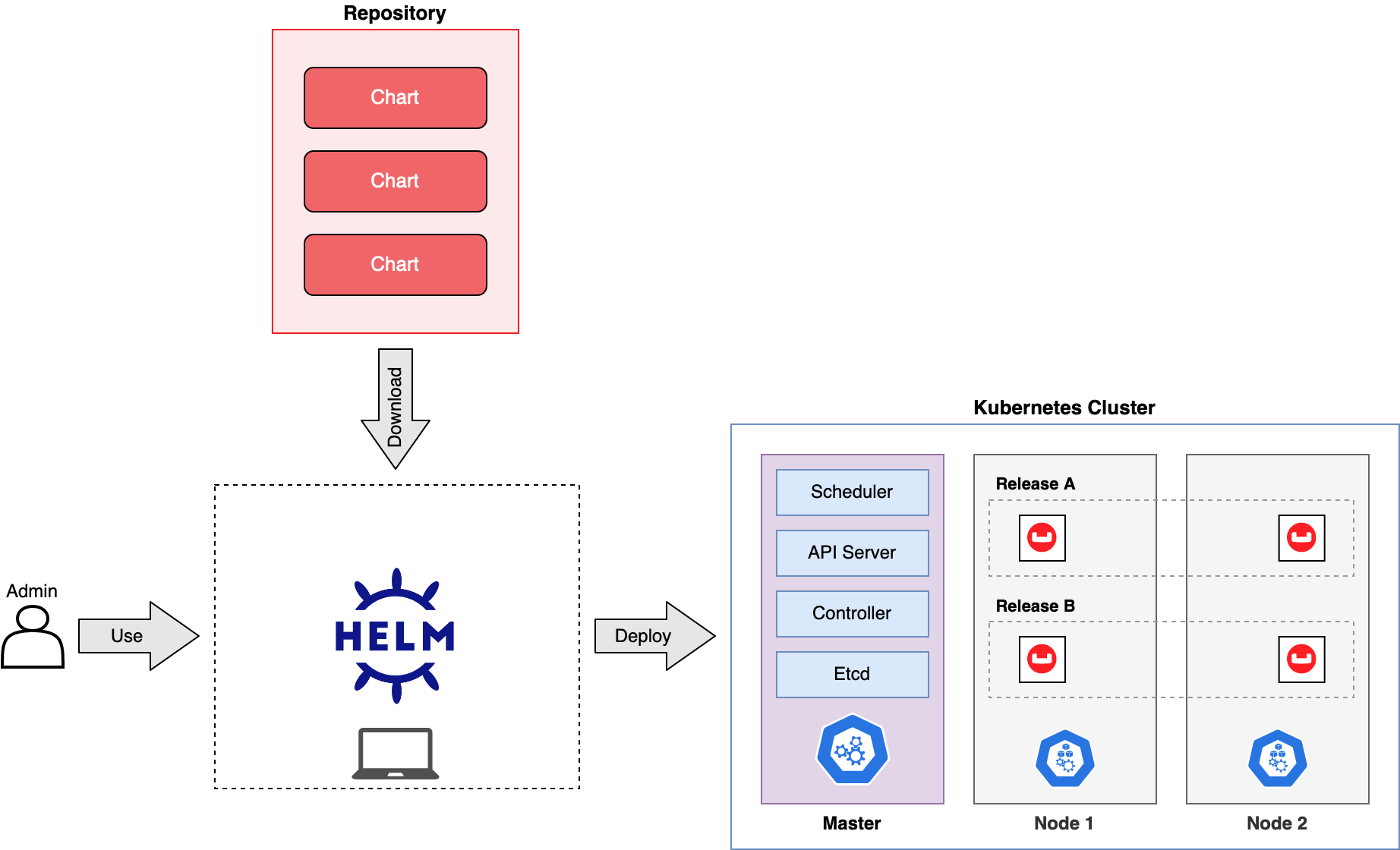
Helm Multiple Deployments From One Template
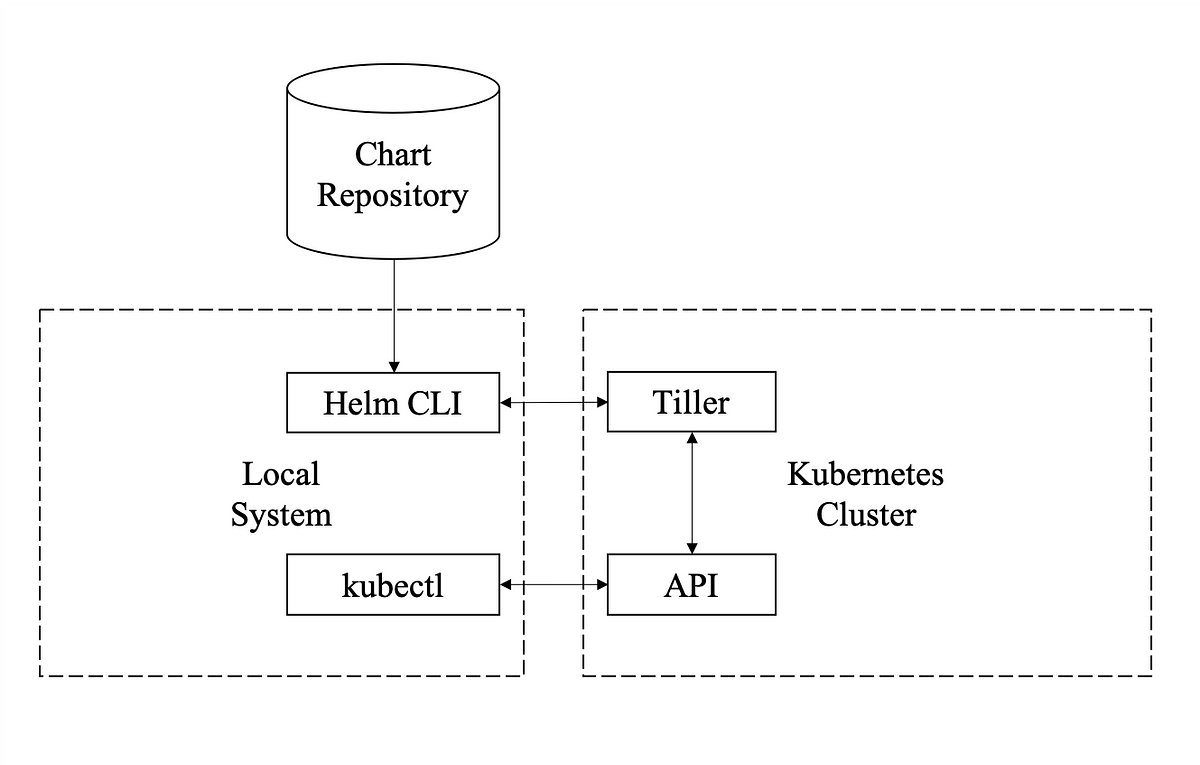
Helm Template Command Example

How to Use Templates Inside Templates In Helm Chart in 2024?
![How To Create Helm Chart Beginners Guide]](https://devopscube.com/wp-content/uploads/2022/12/helm-template.png)
How To Create Helm Chart Beginners Guide]
GitHub paruuy/helmchartsecretconfigmapexample This helm chart
![[helmchart] Using “toYaml” to design helmchart](https://nimtechnology.com/wp-content/uploads/2021/09/maxresdefault.jpeg)
[helmchart] Using “toYaml” to design helmchart
helmcharts/charts/timescaledbsingle/templates/secretcertificate.yaml
In This Article, You Will Learn How To Add And Use Encrypted Secrets In Custom Helm Charts Using Mozilla Sops.
It'd Be Better To Refer To The Secret As An Environment Variable In Your Pod Spec, Or Pass The Value Directly Into Helm.
Alternatively You Can Mount The Secret As An Env Var.
I'm Trying To Use A Helm Chart To Deploy My Secrets As Sealed Secret, I Have Created A Template For The Sealed Secret
Related Post: