
Golang String Template
Golang String Template - Understanding when to utilize text/template versus html/template based on context. Text/template 是 go 语言标准库中的一个包,用于生成文本输出。 它通过解析模板并根据给定的数据执行模板来生成最终的文本。text/template 提供了强大的模板引擎,支持条件. Many 3rd party libraries are integrated with go templates, for example echo. The use of templates in go allows for clean separation of your static and dynamic content. Templates are a mix of static text and “actions” enclosed in {{.}} that are used to dynamically insert content. Golang has two packages with templates: This trend has been fueled by tools like. The template.parse() method expects one argument of type string, and you pass it an argument of type template.html. Templating in go comes with two packages text/template and html/template. Data passed to the template can be accessed using dot {{. Golang has two packages with templates: Templates are a mix of static text and “actions” enclosed in {{.}} that are used to dynamically insert content. Template in golang is a robust feature to create dynamic content or show customized output to the user. Many 3rd party libraries are integrated with go templates, for example echo. Text/template 是 go 语言标准库中的一个包,用于生成文本输出。 它通过解析模板并根据给定的数据执行模板来生成最终的文本。text/template 提供了强大的模板引擎,支持条件. The template.parse() method expects one argument of type string, and you pass it an argument of type template.html. This trend has been fueled by tools like. Templating in go comes with two packages text/template and html/template. Understanding when to utilize text/template versus html/template based on context. Sentence := my name is {{.name }} templ := template.must(template.new(myname).parse(sentence)). We can create a new template and parse its body from a string. Template.html(login) is a type conversion, it. Many 3rd party libraries are integrated with go templates, for example echo. The use of templates in go allows for clean separation of your static and dynamic content. The text package allows us to interpolate texts with the template, while html. Template in golang is a robust feature to create dynamic content or show customized output to the user. Templating in go comes with two packages text/template and html/template. We can create a new template and parse its body from a string. The template.parse() method expects one argument of type string, and you pass it an argument of type template.html. It. It allows you to specify a name. Template.html(login) is a type conversion, it. The use of templates in go allows for clean separation of your static and dynamic content. This trend has been fueled by tools like. Many 3rd party libraries are integrated with go templates, for example echo. Sentence := my name is {{.name }} templ := template.must(template.new(myname).parse(sentence)). Data passed to the template can be accessed using dot {{. Text/template 是 go 语言标准库中的一个包,用于生成文本输出。 它通过解析模板并根据给定的数据执行模板来生成最终的文本。text/template 提供了强大的模板引擎,支持条件. The use of templates in go allows for clean separation of your static and dynamic content. Another powerful way to manage string interpolation and creation in go is through templates. Templates are a mix of static text and “actions” enclosed in {{.}} that are used to dynamically insert content. The better way is using template. We can create a new template and parse its body from a string. Many 3rd party libraries are integrated with go templates, for example echo. The text package allows us to interpolate texts with the. This comprehensive tutorial explores the powerful text template capabilities in golang, providing developers with essential techniques for generating dynamic content, parsing templates, and. We can create a new template and parse its body from a string. Templating in go comes with two packages text/template and html/template. The template.parse() method expects one argument of type string, and you pass it an. We can create a new template and parse its body from a string. The use of templates in go allows for clean separation of your static and dynamic content. Another powerful way to manage string interpolation and creation in go is through templates. The template.parse() method expects one argument of type string, and you pass it an argument of type. Many 3rd party libraries are integrated with go templates, for example echo. Template in golang is a robust feature to create dynamic content or show customized output to the user. Golang has two packages with templates: We can create a new template and parse its body from a string. We can create a new template and parse its body from. We can create a new template and parse its body from a string. Templates are a mix of static text and “actions” enclosed in {{.}} that are used to dynamically insert content. Another powerful way to manage string interpolation and creation in go is through templates. Data passed to the template can be accessed using dot {{. Text/template 是 go. The use of templates in go allows for clean separation of your static and dynamic content. Templating in go comes with two packages text/template and html/template. Sentence := my name is {{.name }} templ := template.must(template.new(myname).parse(sentence)). Template.html(login) is a type conversion, it. Templates are a mix of static text and “actions” enclosed in {{.}} that are used to dynamically insert. Templating in go comes with two packages text/template and html/template. Templates are a mix of static text and “actions” enclosed in {{.}} that are used to dynamically insert content. Many 3rd party libraries are integrated with go templates, for example echo. Templates are a mix of static text and “actions” enclosed in {{.}} that are used to dynamically insert content. The better way is using template. Text/template 是 go 语言标准库中的一个包,用于生成文本输出。 它通过解析模板并根据给定的数据执行模板来生成最终的文本。text/template 提供了强大的模板引擎,支持条件. Template in golang is a robust feature to create dynamic content or show customized output to the user. It allows you to specify a name. This comprehensive tutorial explores the powerful text template capabilities in golang, providing developers with essential techniques for generating dynamic content, parsing templates, and. Sentence := my name is {{.name }} templ := template.must(template.new(myname).parse(sentence)). Golang has two packages with templates: Understanding when to utilize text/template versus html/template based on context. Data passed to the template can be accessed using dot {{. Template.html(login) is a type conversion, it. This trend has been fueled by tools like. We can create a new template and parse its body from a string.
Golang String Template

Golang String Templating
Golang Template Function
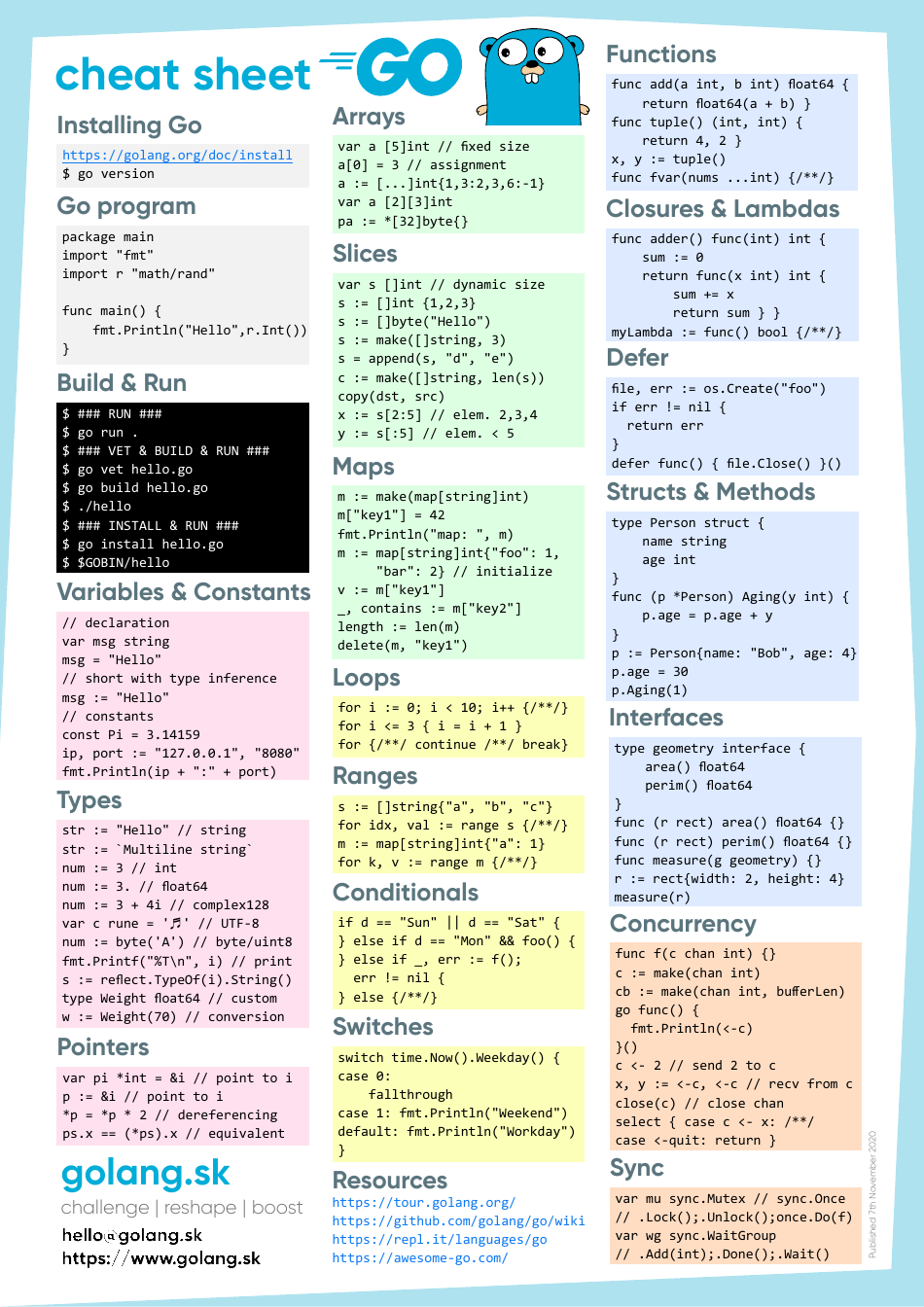
Golang Cheat Sheet Varicolored Download Printable PDF Templateroller

Golang String Templating

Golang template part 05 define template block YouTube

Golang String Template
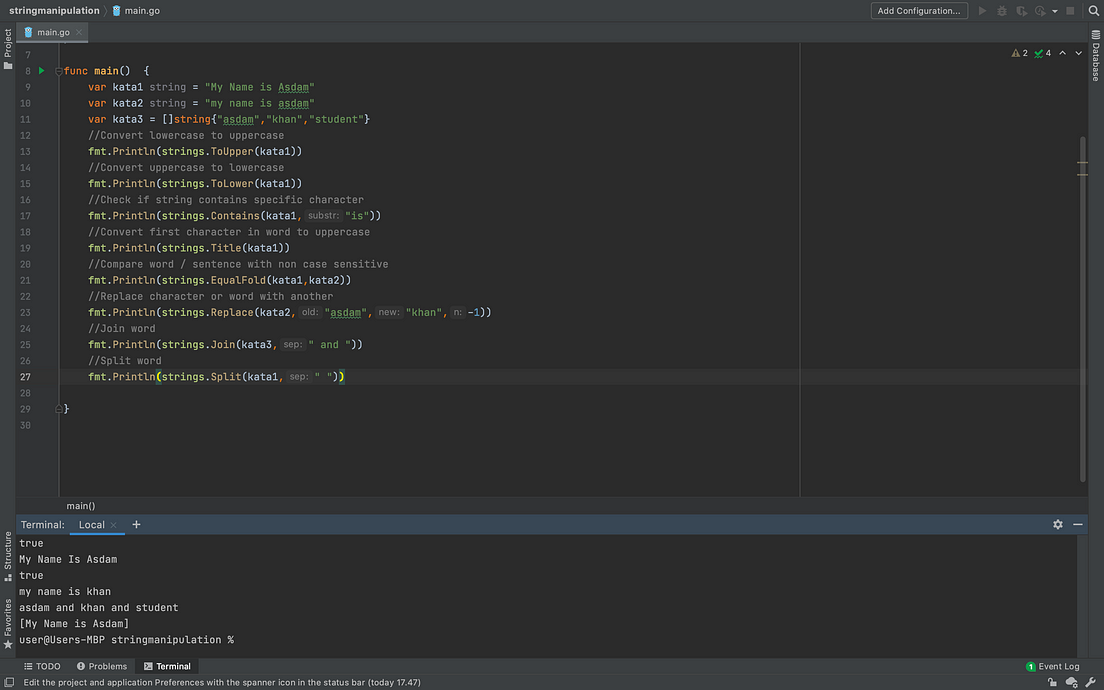
Golang String Template
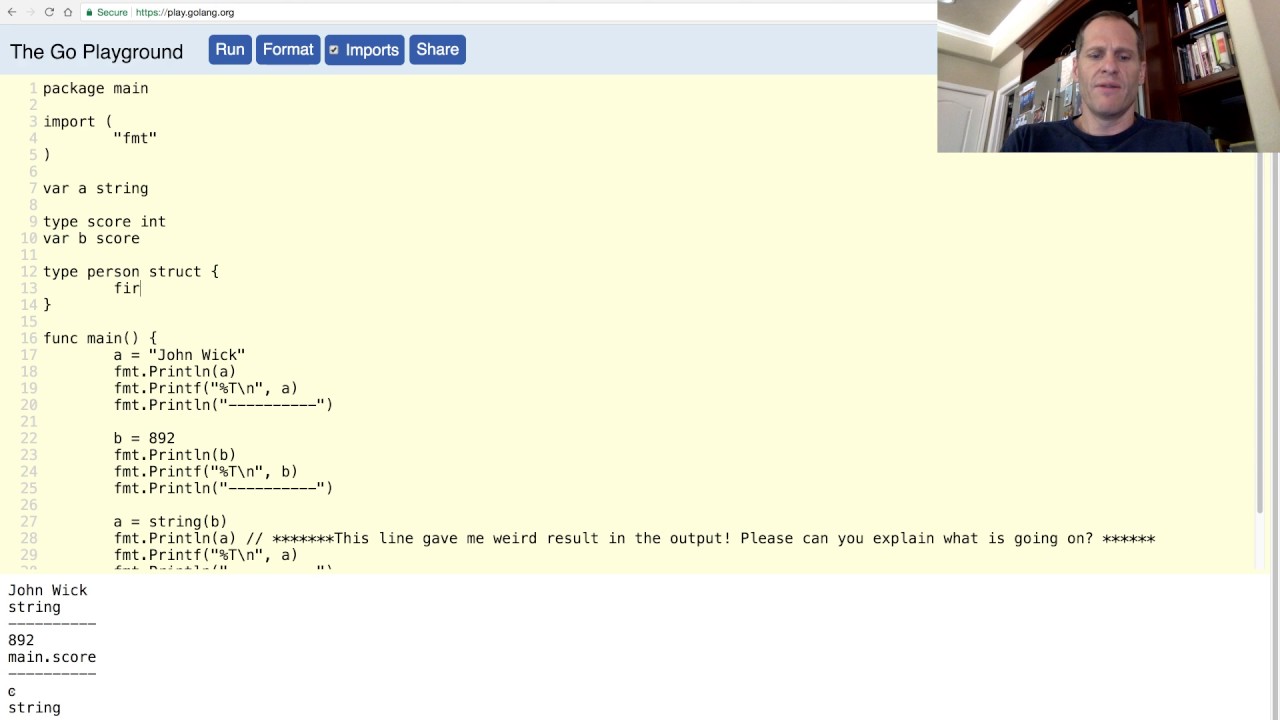
Golang String Template

Golang Template Assign Variable at Miguel Gama blog
The Template.parse() Method Expects One Argument Of Type String, And You Pass It An Argument Of Type Template.html.
The Use Of Templates In Go Allows For Clean Separation Of Your Static And Dynamic Content.
The Text Package Allows Us To Interpolate Texts With The Template, While Html.
We Can Create A New Template And Parse Its Body From A String.
Related Post: