
Dna Coding And Template Strand To Mrna
Dna Coding And Template Strand To Mrna - The dna strand that is used for synthesis is known. The template strand serves as a. The template strand of dna is used to synthesize an rna molecule,. Sometimes genes overlap, and in some of those cases each strand of dna is copied, but each for a. Understanding the differences between these. It is called the sense strand because it has the same. The coding strand, an integral component of dna, is characterized by its sequence similarity to mrna, with a singular distinction: What is the difference between coding strand and template strand? Genes are specific dna sequences that code for proteins through a process called protein synthesis. Only one strand of the duplex dna is copied into mrna (figure 1.22). Genes are specific dna sequences that code for proteins through a process called protein synthesis. It is called the sense strand because it has the same. The coding strand is the dna strand that serves as a template for the synthesis of a complementary rna molecule. What is the difference between coding strand and template strand? Progress in oligonucleotide sequencing has transformed modern biology and medicine. The coding strand of dna is the strand that codes for the gene of interest. The substitution of thymine (t) in dna. The dna strand that is used for synthesis is known. Only one strand of the duplex dna is copied into mrna (figure 1.22). As the polymerase elongates the nascent rna strand at its 3' end, it moves towards the 5' end of the dna strand it is using as a template. The substitution of thymine (t) in dna. The template strand of dna is used to synthesize an rna molecule,. What is the difference between coding strand and template strand? These are displayed from left to right, namely, in the direction in which the. Progress in oligonucleotide sequencing has transformed modern biology and medicine. Sometimes genes overlap, and in some of those cases each strand of dna is copied, but each for a. The coding strand serves as the blueprint for protein synthesis, while the template strand acts as a template for mrna synthesis. The template strand’s sequence is complementary to both the coding strand and the mrna transcript. Transcription of human mitochondrial dna. The coding strand serves as the blueprint for protein synthesis, while the template strand acts as a template for mrna synthesis. The coding strand is the dna strand that serves as a template for the synthesis of a complementary rna molecule. The template strand’s sequence is complementary to both the coding strand and the mrna transcript. An enzyme called rna. A dna molecule is double stranded. The substitution of thymine (t) in dna. How do you transcribe dna into mrna? The coding strand, an integral component of dna, is characterized by its sequence similarity to mrna, with a singular distinction: Genes are specific dna sequences that code for proteins through a process called protein synthesis. What is the difference between coding strand and template strand? The template strand of dna is used to synthesize an rna molecule,. The template strand, also known as the antisense strand, serves as a template during transcription, allowing the synthesis of rna molecules that are. A dna molecule is double stranded. An enzyme called rna polymerase reads the template dna. These are displayed from left to right, namely, in the direction in which the. Only one strand of the duplex dna is copied into mrna (figure 1.22). What is the difference between coding strand and template strand? The coding strand of dna is the strand that codes for the gene of interest. Progress in oligonucleotide sequencing has transformed modern biology. The template strand of dna is used to synthesize an rna molecule,. The template strand, also known as the antisense strand, serves as a template during transcription, allowing the synthesis of rna molecules that are. Sometimes genes overlap, and in some of those cases each strand of dna is copied, but each for a. What is the difference between coding. It is called the sense strand because it has the same. The coding strand serves as the blueprint for protein synthesis, while the template strand acts as a template for mrna synthesis. Only one strand of the duplex dna is copied into mrna (figure 1.22). The coding strand is the dna strand that serves as a template for the synthesis. The substitution of thymine (t) in dna. Progress in oligonucleotide sequencing has transformed modern biology and medicine. The dna strand that is used for synthesis is known. In the process of making mrna for protein synthesis, dna's two strands are divided into either template strands or coding strands. The coding strand, an integral component of dna, is characterized by its. The dna strand that is used for synthesis is known. These are displayed from left to right, namely, in the direction in which the. In the process of making mrna for protein synthesis, dna's two strands are divided into either template strands or coding strands. It is called the sense strand because it has the same. The coding strand is. These are displayed from left to right, namely, in the direction in which the. Understanding the differences between these. The coding strand is the dna strand that serves as a template for the synthesis of a complementary rna molecule. Only one strand of the duplex dna is copied into mrna (figure 1.22). A dna molecule is double stranded. Transcription of human mitochondrial dna (mtdna) begins from specific transcription promoters. The template strand’s sequence is complementary to both the coding strand and the mrna transcript. The coding strand provides the sequence that is ultimately expressed as. The substitution of thymine (t) in dna. The template strand of dna is used to synthesize an rna molecule,. What is the difference between coding strand and template strand? It is called the sense strand because it has the same. How do you transcribe dna into mrna? The template strand serves as a. Sometimes genes overlap, and in some of those cases each strand of dna is copied, but each for a. Progress in oligonucleotide sequencing has transformed modern biology and medicine.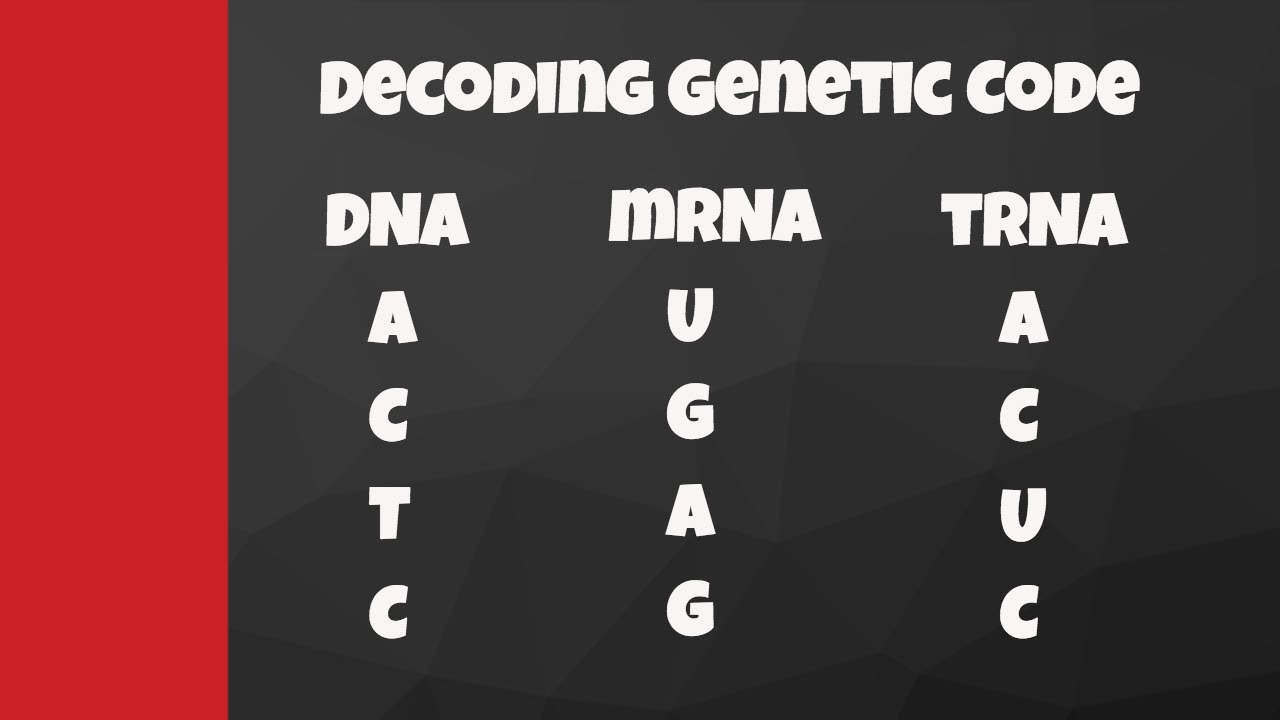
Decode from DNA to mRNA to tRNA to amino acids YouTube
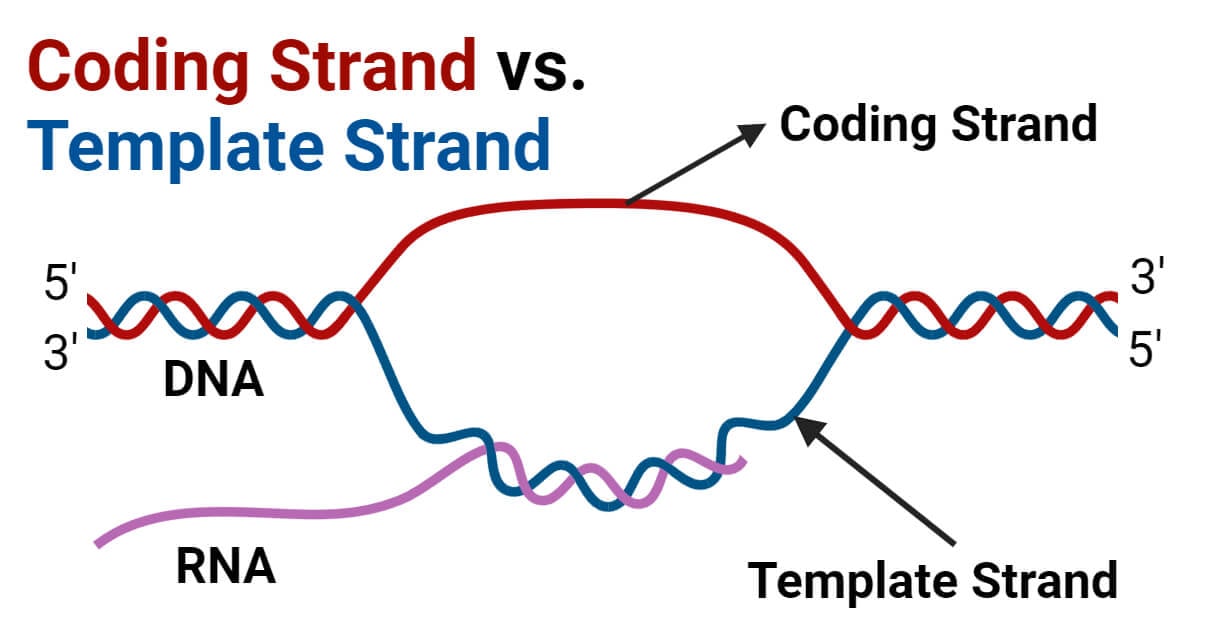
Coding Strand vs. Template Strand 6 Key Differences
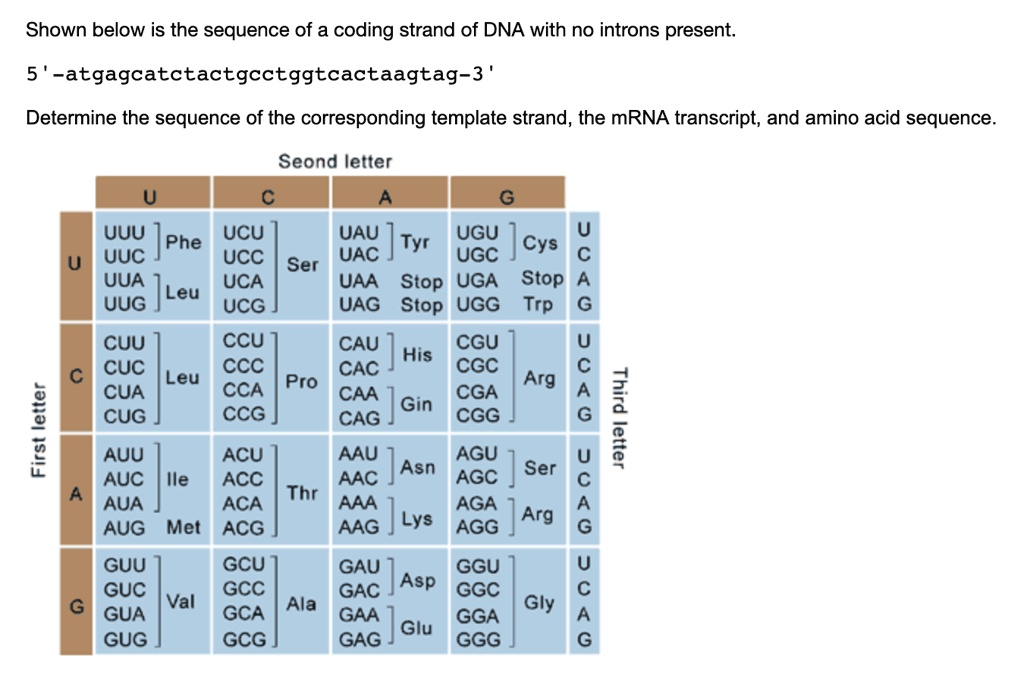
SOLVED Shown below is the sequence of a coding strand of DNA with no
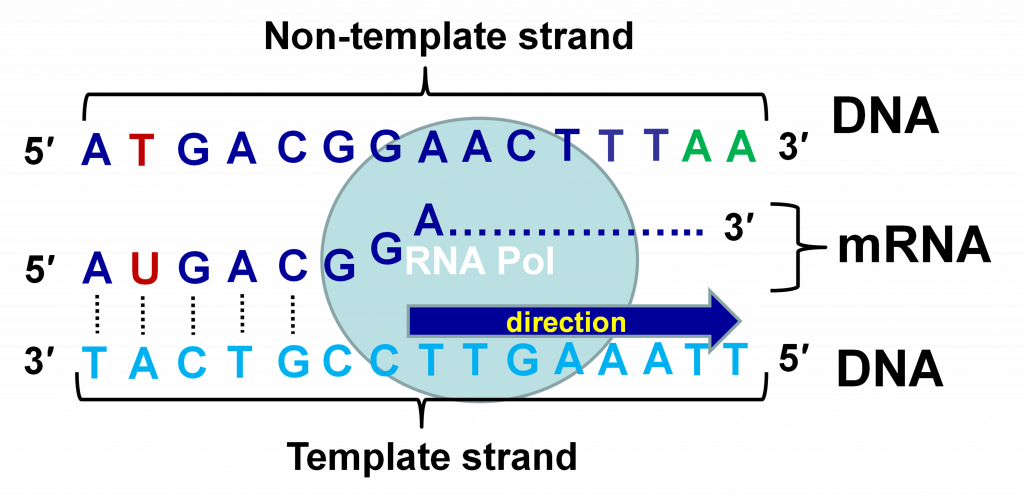
What Is The Template For Mrna
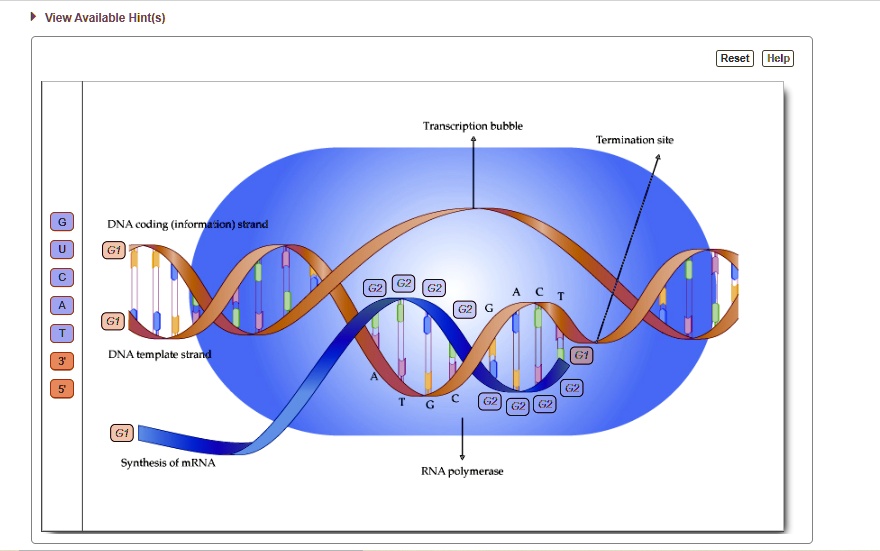
Rebet hen Transcription bubble Termination site DNA coding strand DNA
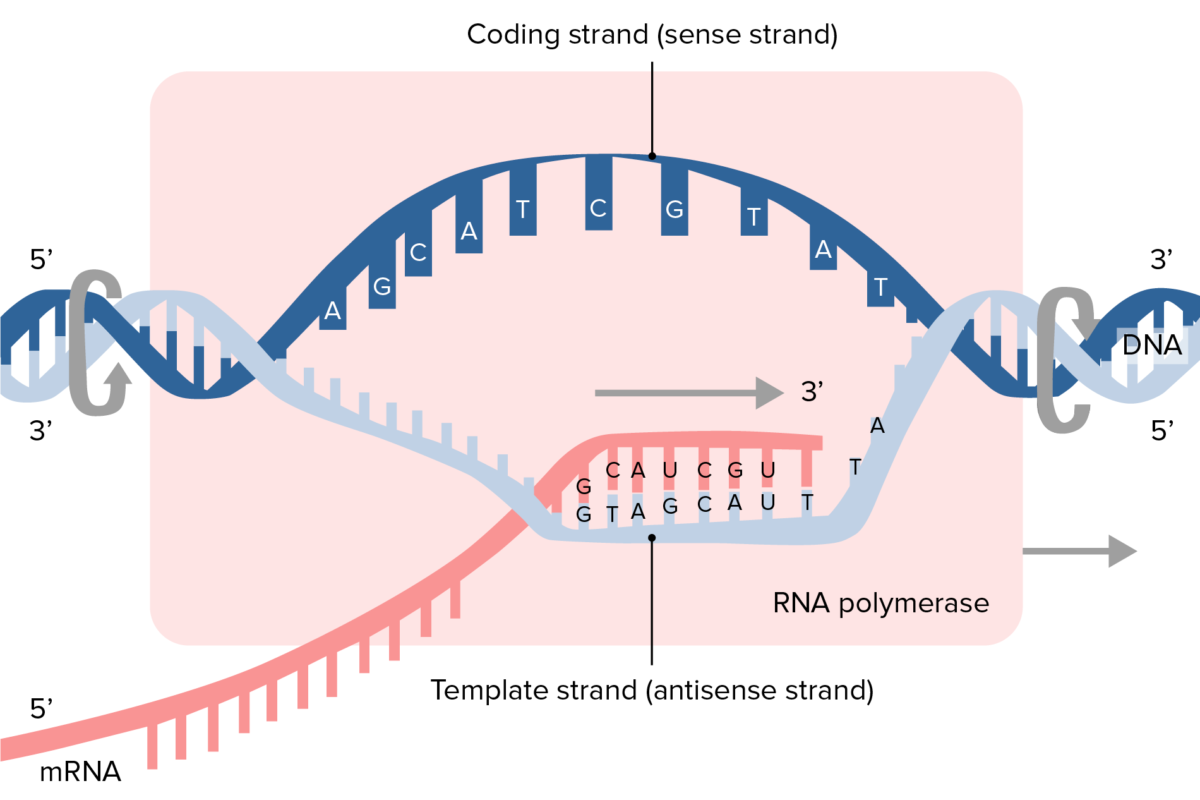
Mrna Template Strand
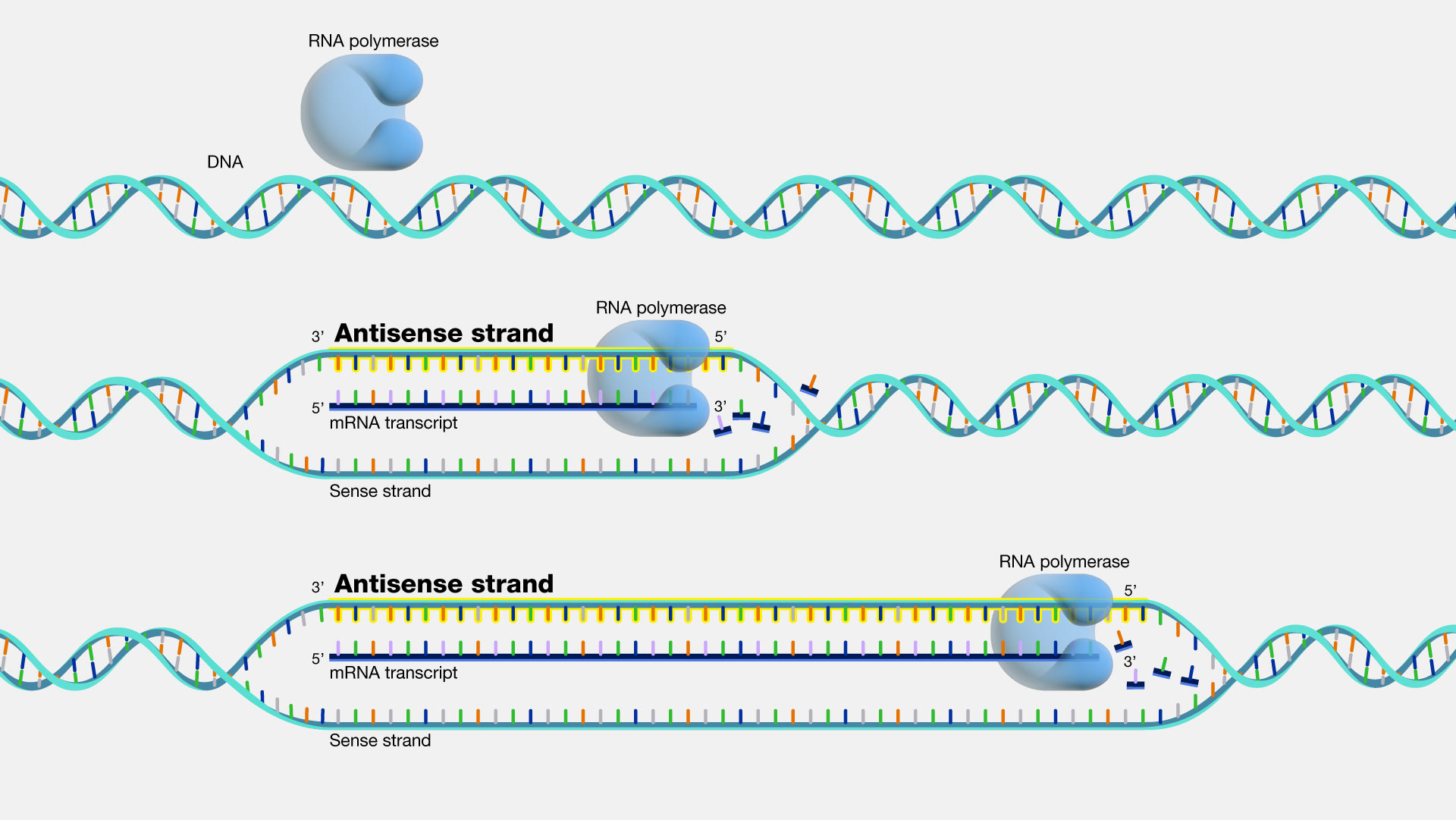
Mrna Template Strand
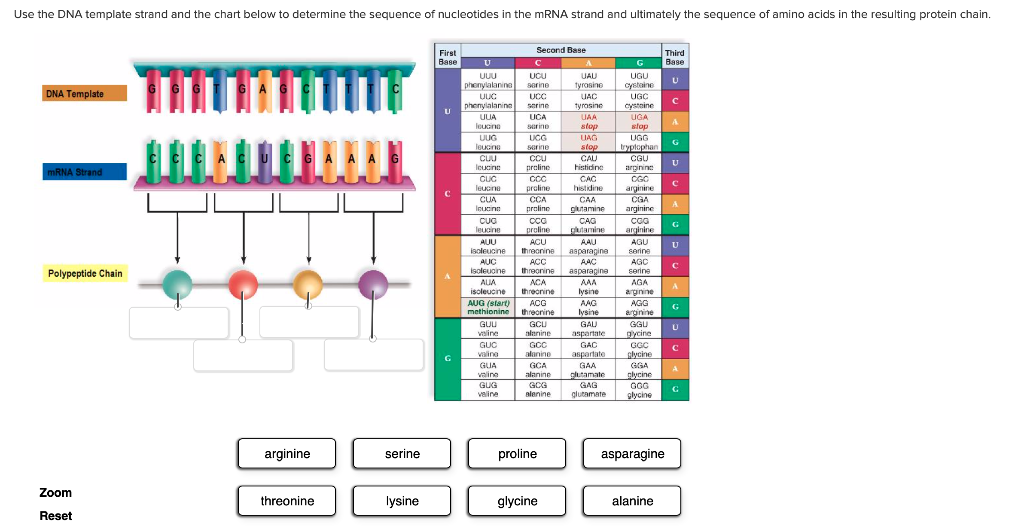
Solved Use the DNA template strand and the chart below to

Coding vs. Template DNA Strands The Key Differences Explained Blog

Dna Coding And Template Strands
The Coding Strand Of Dna Is The Strand That Codes For The Gene Of Interest.
The Template Strand, Also Known As The Antisense Strand, Serves As A Template During Transcription, Allowing The Synthesis Of Rna Molecules That Are.
In The Process Of Making Mrna For Protein Synthesis, Dna's Two Strands Are Divided Into Either Template Strands Or Coding Strands.
The Coding Strand, An Integral Component Of Dna, Is Characterized By Its Sequence Similarity To Mrna, With A Singular Distinction:
Related Post: