
Coding Vs Template Strand
Coding Vs Template Strand - Learn the key features and functions of template and coding strands, the two strands of dna that form a double helix. The coding strand carries the genetic code for protein synthesis, while the. The template strand imparts the precise nucleotide sequence necessary for synthesizing functional rna molecules. Find out how they differ in direction, base sequence,. The template strand and the coding strand. Learn the definitions, roles and characteristics of the coding strand and template strand of dna, and how they differ in transcription and mrna formation. Template strand acts as a base for rna synthesis, while coding strand. These two strands play distinct but. Learn the attributes, functions, and roles of the coding strand and the template strand in dna and rna synthesis. In the process of making mrna for protein synthesis, dna's two strands are divided into either template strands or coding strands. Generally, dna consists of two complementary strands, the coding strand and the template strand. Its two essential strands, the coding strand and the template strand. This rna serves as the intermediary between the. Learn the key features and functions of template and coding strands, the two strands of dna that form a double helix. Learn the definitions, roles and characteristics of the coding strand and template strand of dna, and how they differ in transcription and mrna formation. These two strands play distinct but. The template strand serves as a. Compare the coding strand and template strand with a table and examples. The coding strand is the. In the process of making mrna for protein synthesis, dna's two strands are divided into either template strands or coding strands. What is the difference between the template and coding strand of dna? In this blog post, we will explore an intriguing aspect of dna: The dna strand known as the template strand serves as a blueprint for the production of rna, whereas the coding strand is the other strand. Understanding the distinction between the coding strand and template strand is. Learn the attributes, functions, and roles of the coding strand and the template strand in dna and rna synthesis. The coding strand has the same sequence as the rna transcript and acts as. These strands play a vital role in the process of gene expression and protein synthesis. Learn the definitions, roles and characteristics of the coding strand and template. In the intricate realm of dna transcription, two primary strands play pivotal roles: Wherever a gene exists on a dna molecule, one strand is the coding strand (or sense strand), and the other is the noncoding strand (also called the antisense strand, [3] anticoding strand,. Compare the coding strand and template strand with a table and examples. Find out how. The template strand serves as a. The coding strand carries the same sequence as the resulting rna, while the template strand provides the template for transcription and replication. Generally, dna consists of two complementary strands, the coding strand and the template strand. The template strand imparts the precise nucleotide sequence necessary for synthesizing functional rna molecules. Wherever a gene exists. The template strand imparts the precise nucleotide sequence necessary for synthesizing functional rna molecules. The template strand and the coding strand. Compare the coding strand and template strand with a table and examples. In the intricate realm of dna transcription, two primary strands play pivotal roles: In the process of making mrna for protein synthesis, dna's two strands are divided. Understanding the distinction between the coding strand and template strand is essential in comprehending the complex processes of dna replication and gene expression. Wherever a gene exists on a dna molecule, one strand is the coding strand (or sense strand), and the other is the noncoding strand (also called the antisense strand, [3] anticoding strand,. This rna serves as the. This rna serves as the intermediary between the. The coding strand carries the genetic code for protein synthesis, while the. The dna strand known as the template strand serves as a blueprint for the production of rna, whereas the coding strand is the other strand. Generally, dna consists of two complementary strands, the coding strand and the template strand. The. The template strand serves as a. Understanding the distinction between the coding strand and template strand is essential in comprehending the complex processes of dna replication and gene expression. These strands, while closely related, possess. Its two essential strands, the coding strand and the template strand. What is the difference between the template and coding strand of dna? These strands, while closely related, possess. Its two essential strands, the coding strand and the template strand. Functional difference between template vs coding strands table form. In this blog post, we will explore an intriguing aspect of dna: Find out how they differ in direction, base sequence,. Learn the attributes, functions, and roles of the coding strand and the template strand in dna and rna synthesis. Understanding the distinction between the coding strand and template strand is essential in comprehending the complex processes of dna replication and gene expression. The template strand serves as a. The coding strand carries the same sequence as the resulting rna, while. This rna serves as the intermediary between the. The coding strand carries the genetic code for protein synthesis, while the. Understanding the distinction between the coding strand and template strand is essential in comprehending the complex processes of dna replication and gene expression. Learn the attributes, functions, and roles of the coding strand and the template strand in dna and rna synthesis. These two strands play distinct but. What is the difference between the template and coding strand of dna? The template strand imparts the precise nucleotide sequence necessary for synthesizing functional rna molecules. These strands, while closely related, possess. Why is the coding strand not. The coding strand, also known as the sense strand, is the dna strand that has the. The template strand and the coding strand. The coding strand carries the same sequence as the resulting rna, while the template strand provides the template for transcription and replication. In this blog post, we will explore an intriguing aspect of dna: The dna strand known as the template strand serves as a blueprint for the production of rna, whereas the coding strand is the other strand. The coding strand has the same sequence as the rna transcript and acts as. Compare the coding strand and template strand with a table and examples.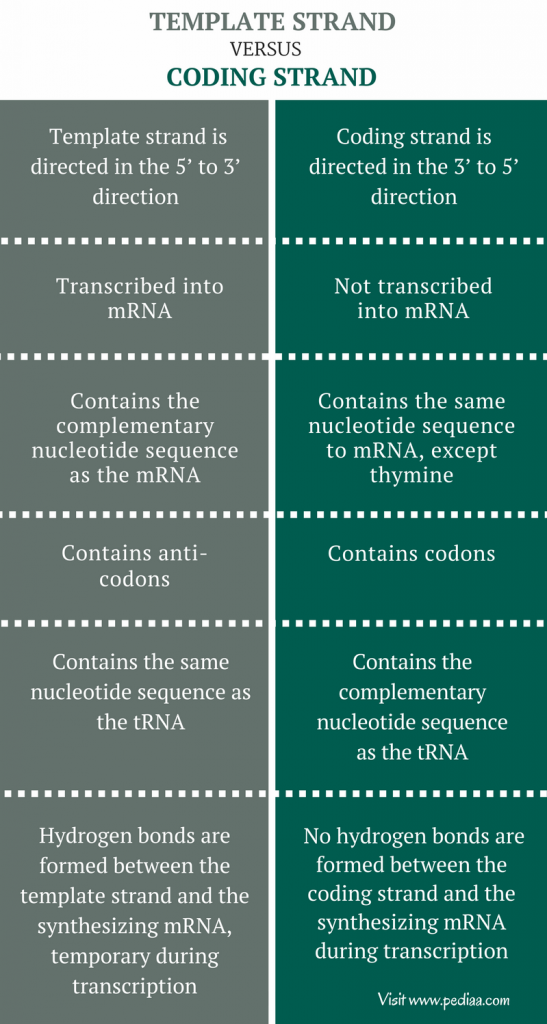
Difference Between Template and Coding Strand
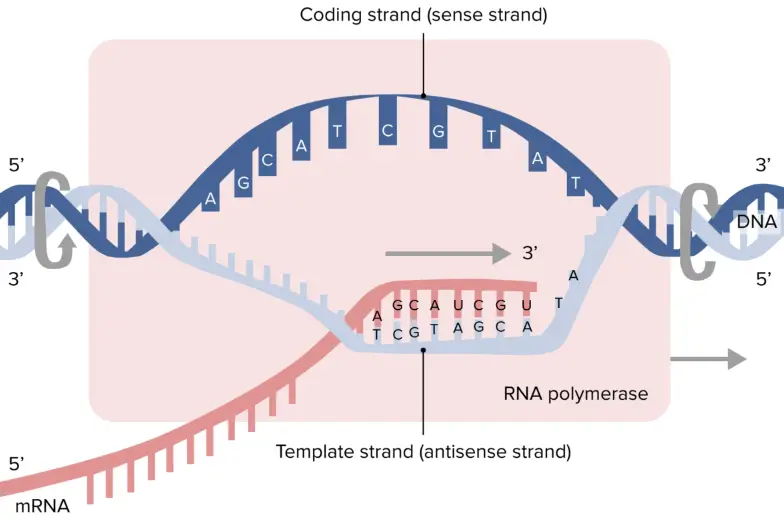
Template Vs Non Template Strand
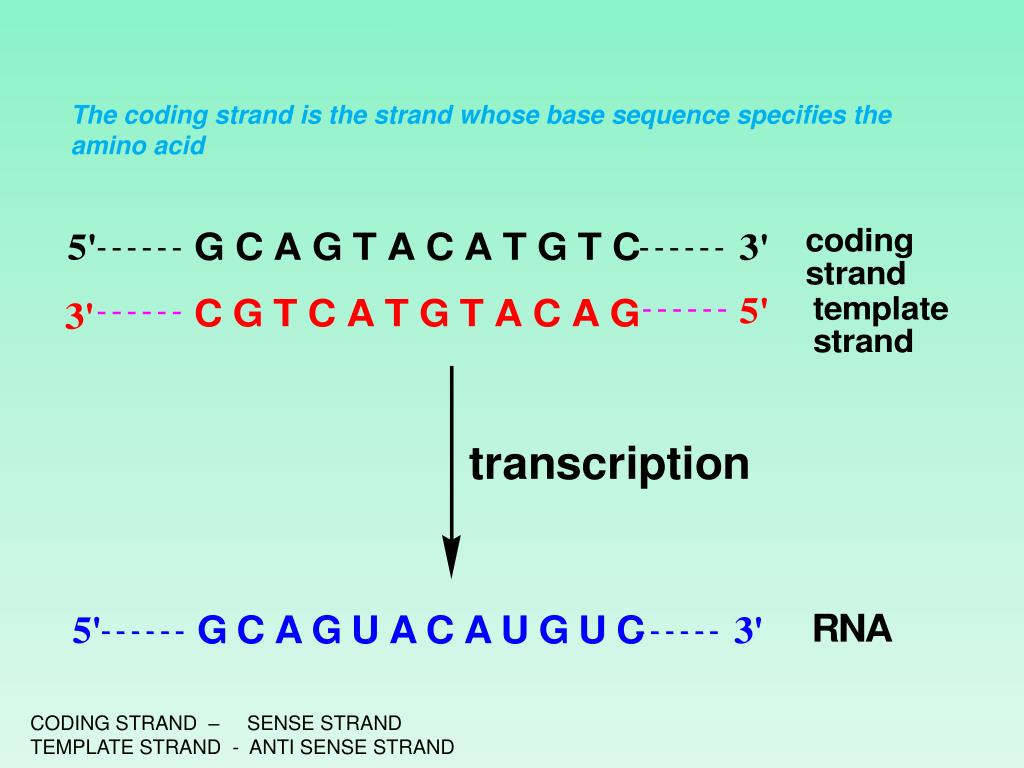
Coding Strand Vs Template Strand
Coding Versus Template Strand
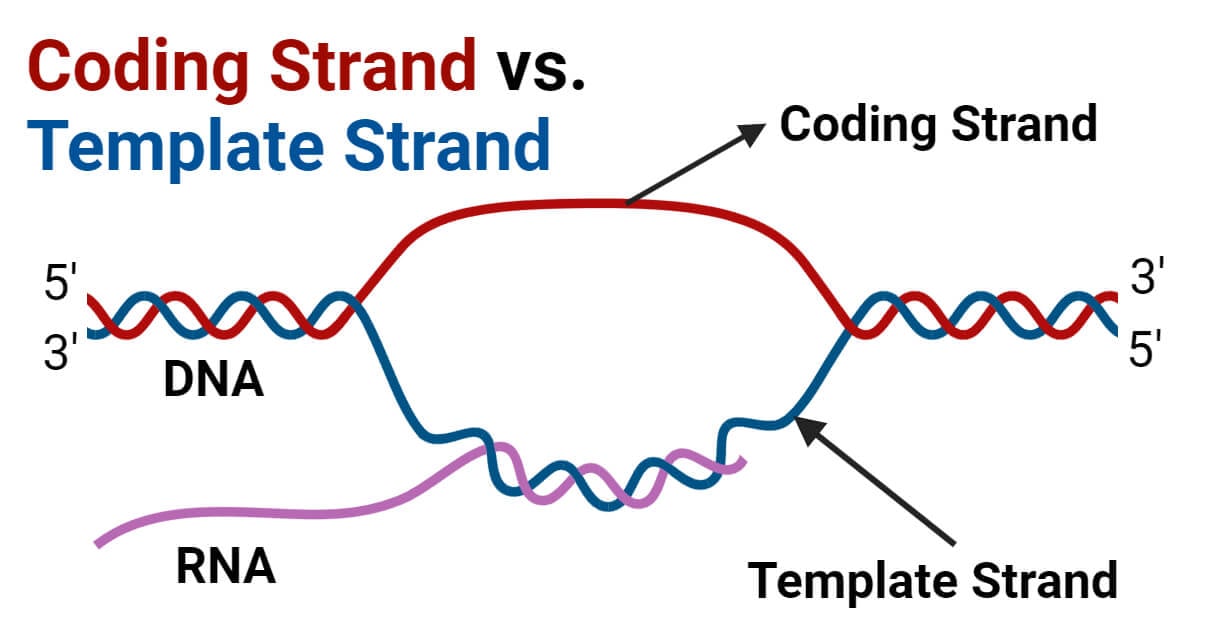
Coding Strand vs. Template Strand 6 Key Differences

Coding Strand And Template Strand

Template Vs Coding Strand

Template Strand Vs Coding Strand Understanding The Difference GRAPHICOLD
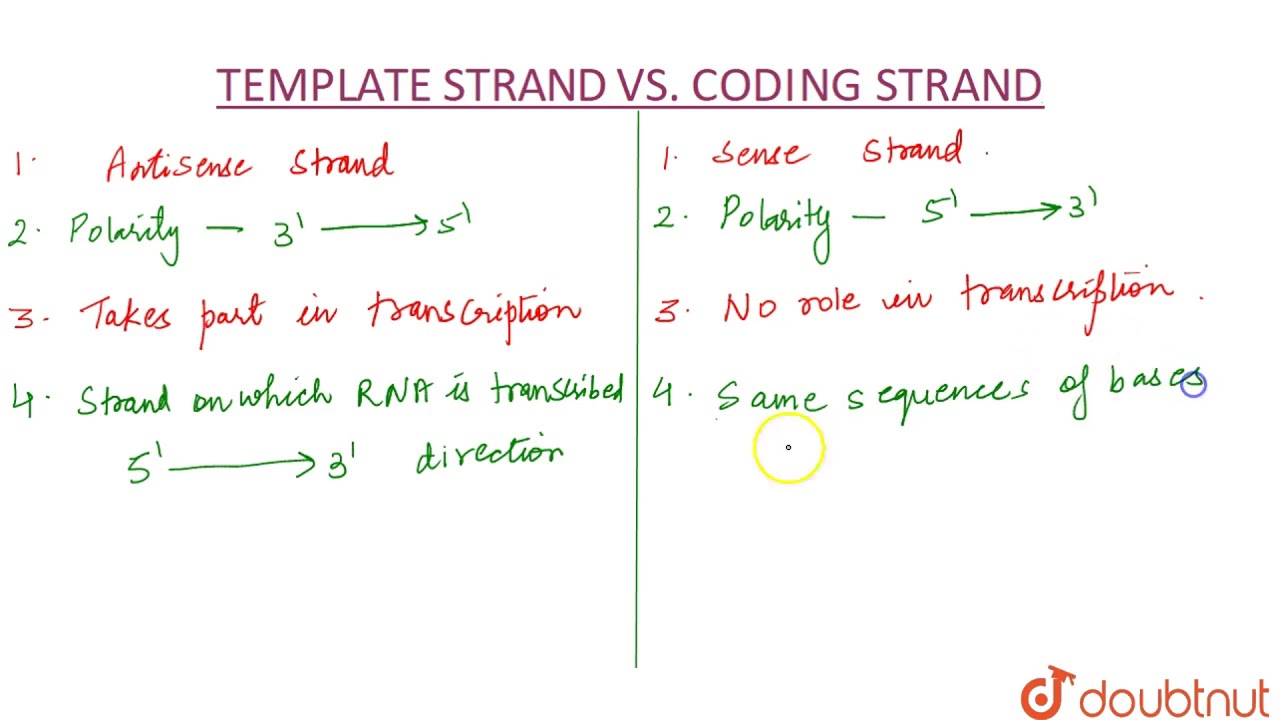
Difference Between Coding Strand And Template Strand
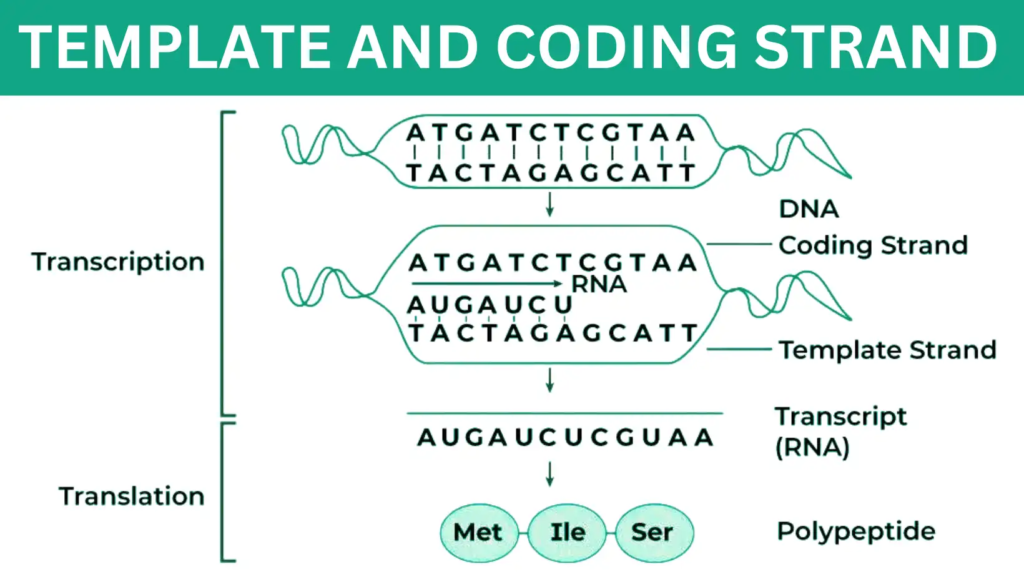
Difference Between Template and Coding Strand
In The Process Of Making Mrna For Protein Synthesis, Dna's Two Strands Are Divided Into Either Template Strands Or Coding Strands.
Learn The Key Features And Functions Of Template And Coding Strands, The Two Strands Of Dna That Form A Double Helix.
Generally, Dna Consists Of Two Complementary Strands, The Coding Strand And The Template Strand.
Wherever A Gene Exists On A Dna Molecule, One Strand Is The Coding Strand (Or Sense Strand), And The Other Is The Noncoding Strand (Also Called The Antisense Strand, [3] Anticoding Strand,.
Related Post: