
Closing Argument Template
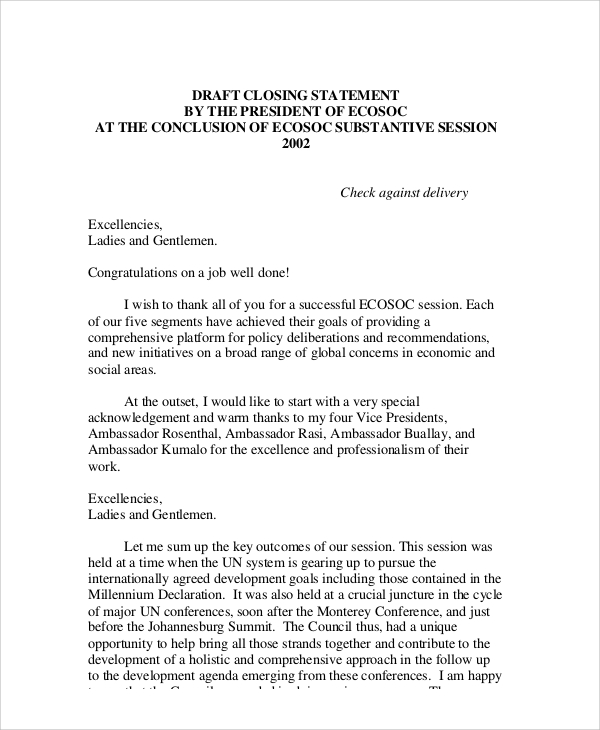
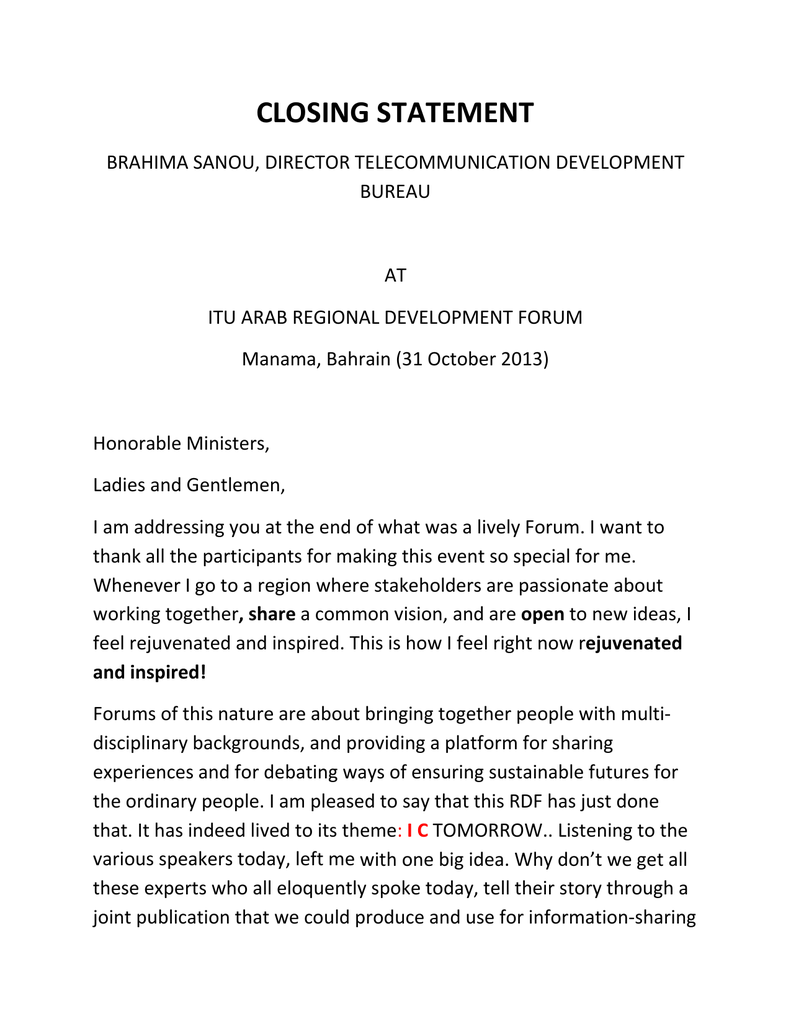
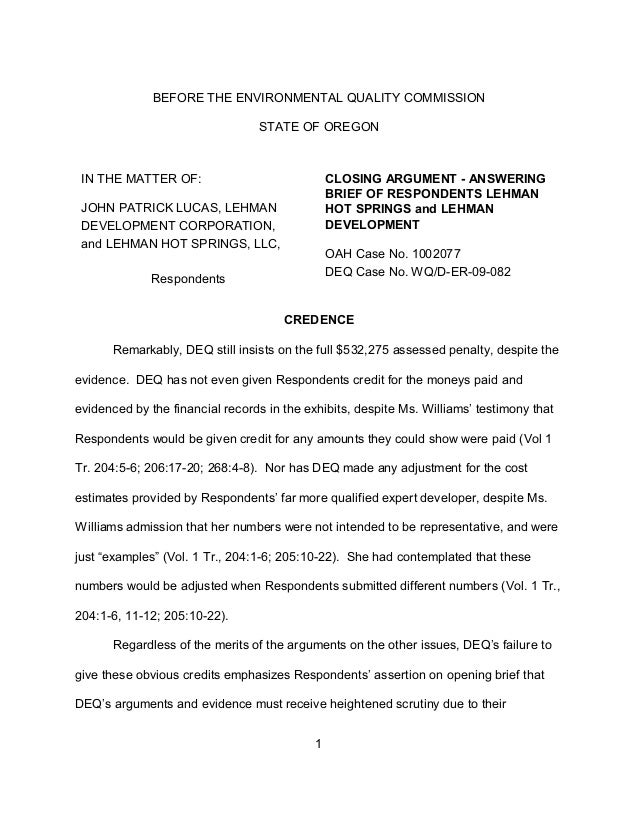
Closing Argument Template - A closing argument is the final statement an attorney makes to the jury or judge when presenting a trial. A closing argument, generally speaking, is a critically important part of a litigant’s case or defense. The closing statement is the attorney’s final statement to the jury before deliberation begins. It should not be used to present any new information. Repeat the theme developed in the opening statement. Attorneys are free to argue the merits of their case: Our lawyers have also included a sample powerpoint presentation we used in a closing argument. Our lawyers provide example closings arguments in tort cases and our template closing. Building the argument section by section. Unlike the opening statement, the closing is the party’s chance to argue to the jury how and why both the facts and law support a verdict in its favor. A closing statement must be persuasive, because it is delivered by one who supports a particular side of an argument. Repeat the theme developed in the opening statement. The attorney reiterates the important arguments, summarizes what the evidence has and has not shown, and requests jury to consider the evidence and apply the law in his or her client’s favor. Building the argument section by section. After establishing our outline, we systematically built each section of the closing argument using discoverypartner’s ai capabilities. The closing statement is the attorney’s final statement to the jury before deliberation begins. In this guide to writing closing arguments, we will delve into the strategies and techniques that transform a good argument into a great one. A closing argument, generally speaking, is a critically important part of a litigant’s case or defense. To write a closing argument, start with your theory of the crime, which you should try to bring up within the first 30 seconds of your closing argument. Here is the fourth section of the closing argument prepared entirely by different versions of generative ai large language models working in tandem using discoverypartner to find, analyze and report on key information from the. After establishing our outline, we systematically built each section of the closing argument using discoverypartner’s ai capabilities. Unlike the opening statement, the closing is the party’s chance to argue to the jury how and why both the facts and law support a verdict in its favor. Governing procedural rules, (2) the appropriate content of a closing argument, (3) the most. Your closing argument should then give some arguments about why the judge should believe your story, and not your opponent’s. We will explore how to prepare effectively, structure our arguments, and utilize persuasive techniques that resonate with the jury. To summarize, your team’s closing argument should start by telling your story, including references to evidence presented at trial. I have. To persuade the jurors to adopt your view of the significance of the evidence and your view of the case. Unlike the opening statement, the closing is the party’s chance to argue to the jury how and why both the facts and law support a verdict in its favor. When students have a hard time writing a mock trial opening. Governing procedural rules, (2) the appropriate content of a closing argument, (3) the most frequent prosecutorial errors in closing argument, (4) remedies for improper closings, and (5) elements of effective advocacy in a closing argument. I have just posted some sample mock trial closing arguments for people to read. The five easy steps to drafting a persuasive closing argument are. The closing statement is the attorney’s final statement to the jury before deliberation begins. Here is the fourth section of the closing argument prepared entirely by different versions of generative ai large language models working in tandem using discoverypartner to find, analyze and report on key information from the. A closing argument is an opportunity to remind the jurors of. A closing argument is an opportunity to remind the jurors of the important evidence they heard in the case and how what they heard connects (or doesn’t connect) to the statute elements of the crime(s) at issue in the case. It should not be used to present any new information. Governing procedural rules, (2) the appropriate content of a closing. I have just posted some sample mock trial closing arguments for people to read. Remind the jury of the theory your colleague stated in her opening statement. In this guide to writing closing arguments, we will delve into the strategies and techniques that transform a good argument into a great one. To summarize, your team’s closing argument should start by. The attorney reiterates the important arguments, summarizes what the evidence has and has not shown, and requests jury to consider the evidence and apply the law in his or her client’s favor. It is helpful to know a little bit about what an opening statement is. These are suggestions from a veteran trial lawyer and mock trial coach with 25. To summarize, your team’s closing argument should start by telling your story, including references to evidence presented at trial. The prosecuting attorney and the defense attorney. Certainly, one cannot draft a good closing argument until the end of the case, but why not brainstorm about ideas for closing as you listen to the case? It should not be used to. North carolina law gives the parties “wide latitude” to make their arguments. Closing argument can solidify and organize your supporters, arm them with the strongest arguments in your arsenal, help them find your opponent’s weaknesses, and energize them to do battle in the jury room. To summarize, your team’s closing argument should start by telling your story, including references to. A closing statement must be persuasive, because it is delivered by one who supports a particular side of an argument. North carolina law gives the parties “wide latitude” to make their arguments. Learn how to write mock trial opening and closing statements. A closing argument is an opportunity to remind the jurors of the important evidence they heard in the case and how what they heard connects (or doesn’t connect) to the statute elements of the crime(s) at issue in the case. Repeat the theme developed in the opening statement. Certainly, one cannot draft a good closing argument until the end of the case, but why not brainstorm about ideas for closing as you listen to the case? After establishing our outline, we systematically built each section of the closing argument using discoverypartner’s ai capabilities. The five easy steps to drafting a persuasive closing argument are based on the premise that closing argument is drafted, in part, while trial is going on rather than after the trial. A closing argument is a party’s opportunity to make final statements of a case. The closing statement is the attorney’s final statement to the jury before deliberation begins. To write a closing argument, start with your theory of the crime, which you should try to bring up within the first 30 seconds of your closing argument. To summarize, your team’s closing argument should start by telling your story, including references to evidence presented at trial. Rather, the closing should be used to point out the bias and inconsistencies in the prosecution’s case. In the legal sense, a closing statement is delivered by the attorney on either side of the case: These are suggestions from a veteran trial lawyer and mock trial coach with 25 years experience. Governing procedural rules, (2) the appropriate content of a closing argument, (3) the most frequent prosecutorial errors in closing argument, (4) remedies for improper closings, and (5) elements of effective advocacy in a closing argument.
Closing Statement Example Presenting a Legal Argument Doc Template
Closing Argument Template
Closing Argument Template
Closing Argument Template
Closing Argument Template
Closing Argument Template
how can i write a closing argument?
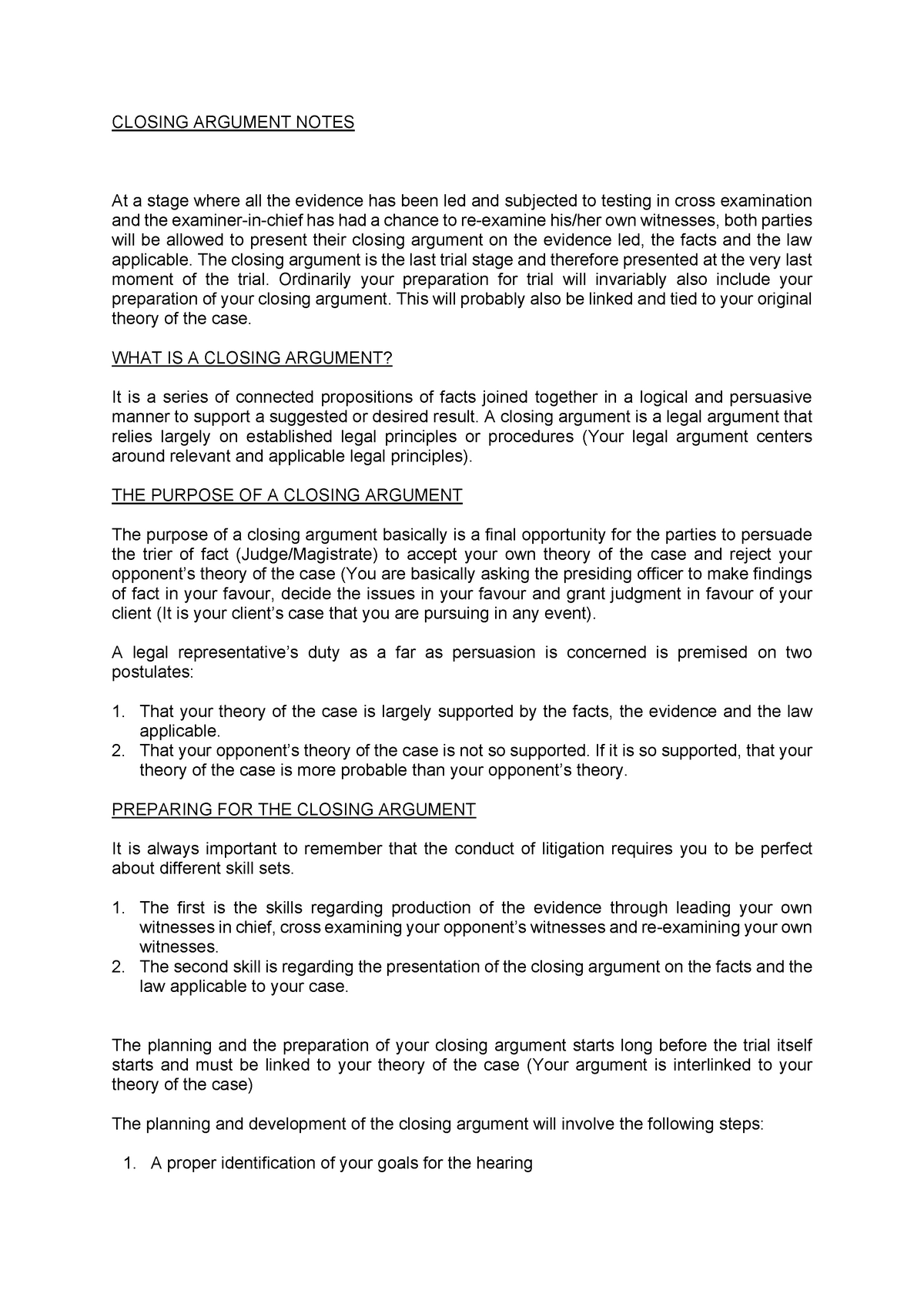
Closing Argument Template
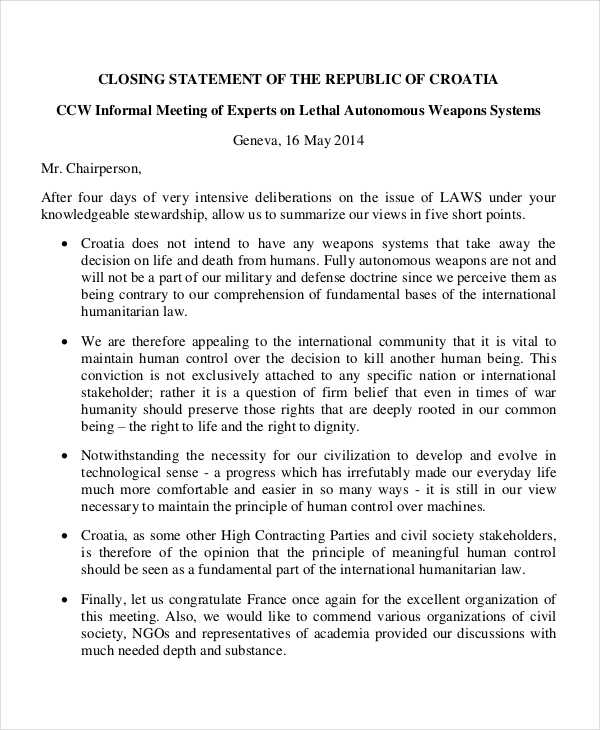
Closing Statement 9+ Examples, Structure, How to Start, Pdf
Closing Argument Template
Our Lawyers Have Also Included A Sample Powerpoint Presentation We Used In A Closing Argument.
Remind The Jury Of The Theory Your Colleague Stated In Her Opening Statement.
Suggest No Other Reasonable Explanation Has Emerged Through This Trial But Guilty Beyond A Reasonable Doubt
Closing Argument Can Solidify And Organize Your Supporters, Arm Them With The Strongest Arguments In Your Arsenal, Help Them Find Your Opponent’s Weaknesses, And Energize Them To Do Battle In The Jury Room.
Related Post:


